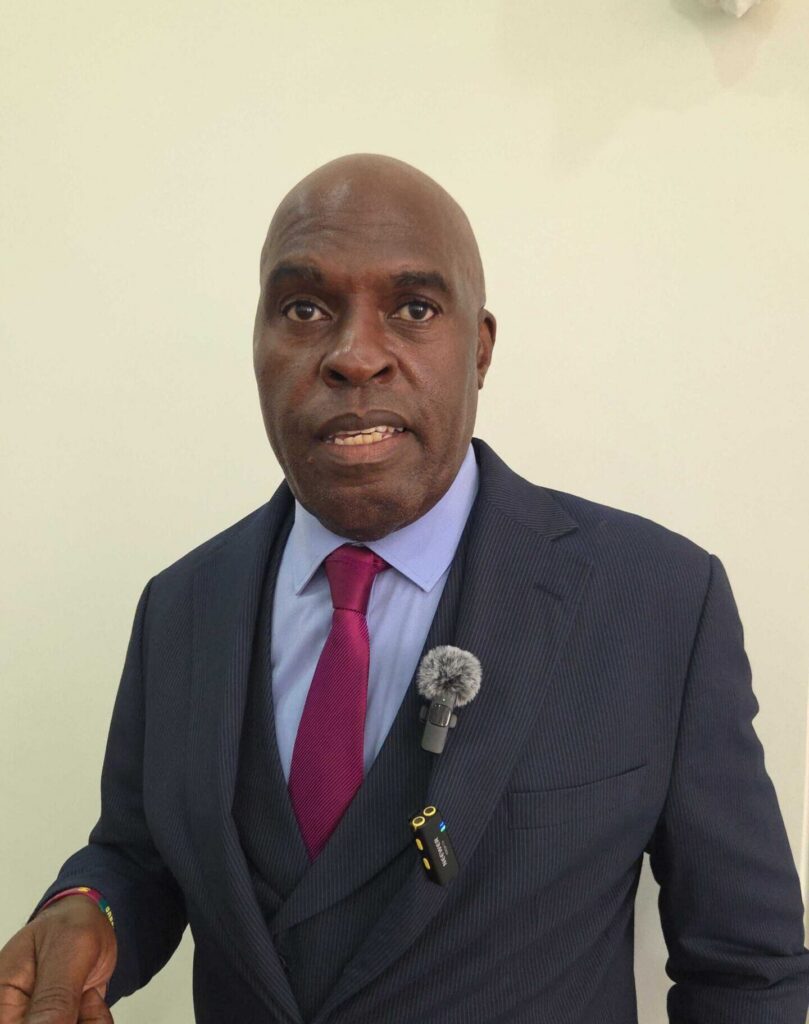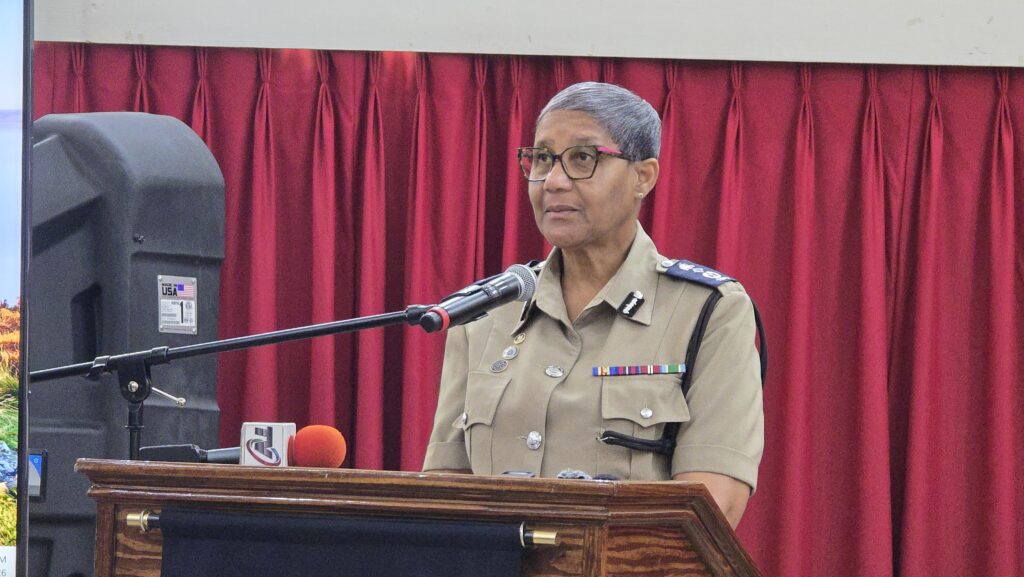
Minister of People Empowerment and Elder Affairs Kirk Humphrey has hailed the groundbreaking of the much-anticipated Residential and Respite Facility for the Elderly as a milestone in Barbados’ social care landscape.
He called it “transformation in progress” and a model for how the country will deliver care to its most vulnerable citizens.
The ceremony took place on Wednesday at Sterling House in St Philip, marking the start of a project that Humphrey described as more than a groundbreaking exercise.
“I hope this is a break in the understanding of how we must deliver care to persons who have now gotten a little bit older, to persons who have disabilities, and to our children,” he said. “That is real inclusion, if you think about it; that is inclusion in process.”
The facility is a partnership between the Ministry of People Empowerment and Elder Affairs, the National Assistance Board, the Barbados Alzheimer’s Association, and Soroptimist International of Barbados. It aims to provide optimal residential and daycare services for seniors, including those living with dementia and Alzheimer’s disease.
Humphrey explained that the Sterling complex will feature community-style residences and day services rather than traditional institutions.
“We’ve not set out to build homes in the traditional sense… We want to build residences so that it’s like a community-style, family-oriented facility where people feel a sense of dignity and a sense of care. Instead of walls, it is more about bridges.”
Phase one will include renovation of the existing building to provide a daycare facility for older persons and respite services.
Future plans include a dementia complex, which may be named in honour of the late advocate Pamelia Brereton, residential spaces for persons with disabilities, and daycare for children.
Humphrey said the goal was to create opportunities for older persons, children, and individuals with disabilities to interact, so that differences would feel less pronounced, especially when such connections are formed from an early age.
Kaila Branch, executive board member of the Barbados Alzheimer’s Association, underscored the urgent need for elder and dementia care.
“It’s about supporting and investing in the future of our community,” she said, while paying tribute to Brereton, who “was very committed to tell anyone who had ears about the need to have support services for our dementia and Alzheimer’s patients”.
Branch pledged continued partnership “not only in the training of the caregivers, both formal and informal, but certainly to reduce stigma and fear surrounding the condition”.
Humphrey noted that government intends to replicate the Sterling model across the island, with similar facilities planned for St Thomas and St George.
“If you understand the concept now behind ageing in place, the idea is that you actually build facilities closer to where people live, so that people don’t have to go to town for certain things. They’re going to be able to get them where they reside,” he said.
He also used the occasion to urge Barbadians to strengthen family ties, noting with concern that many elderly men seek social assistance without support from their children. He stressed the importance of nurturing relationships early, pointing out that children tend not to forget how they were treated, and that many older adults now face estrangement from their families.
Humphrey thanked former minister Cynthia Forde for laying the foundation for the project, and Prime Minister Mia Amor Mottley for her “fairly free hand” in pursuing it.
Forde, now Special Advisor on Elder Affairs, described the facility as a marriage of initiatives aimed at inclusive care, ensuring that seniors, children, and people with disabilities are all meaningfully integrated into the work being done.
The post Minister hails elder care facility as milestone for social inclusion appeared first on Barbados Today.