On this World Diabetes Day, we are faced with a sobering reminder from the Diabetes and Hypertension Association of Barbados that diabetes is a major workforce and economic issue, and not simply a medical issue.
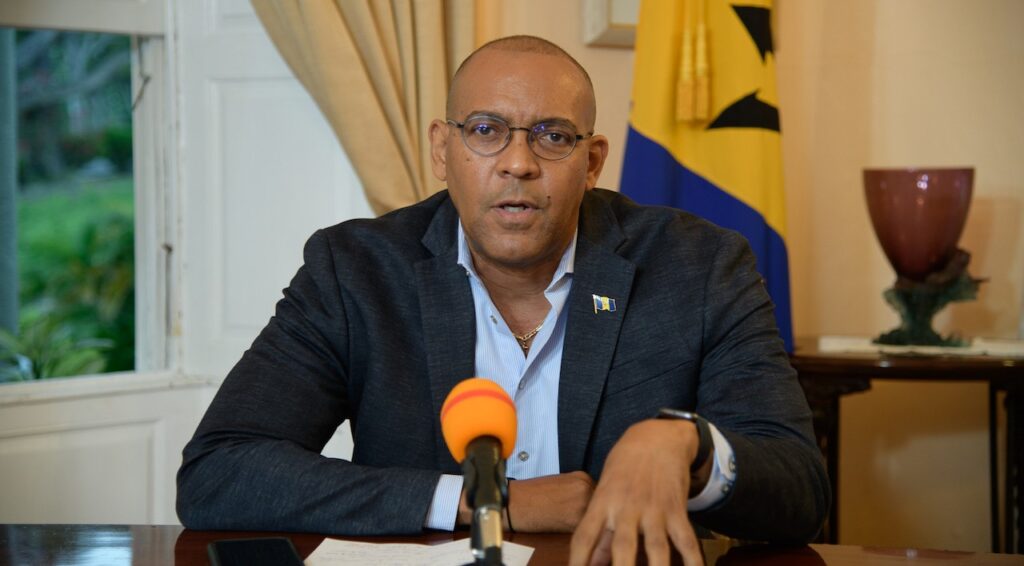
The revelation that seven in ten people living with diabetes worldwide are of working age should jolt all of us. As the association’s president, Tyrone Lowe, puts it, 70 per cent “suggests that these persons are under 65.” In other words, diabetes is not a condition that affects only the elderly and retirees, it is affecting a sizeable section of our work force.
Given the labour shortage affecting the country and the government’s drive to increase inward migration to boost the younger population, this statistic should be cause for national concern.
Lowe puts it bluntly: “People spend most of their working life in these places. I’m calling on corporations to take note, to care for that working demographic that spend their life in your office.” He adds that: “the whole world really has seen a worsening of the condition and Barbados is no exception.”
But the medical strain is only part of the story. What is unfolding inside our offices, schools, and job sites is what Lowe describes as a “silent suffering.” It is a major weight that many are carrying behind everyday smiles and the efforts to appear “normal.”
“They live with stigma. They live with emotional distress. They probably may be quietly suffering from that, but you don’t think of it because they look okay,” Lowe explained.
Essentially Barbadians must confront the truth that diabetes is not always visible. And because it is not visible, too many people are bearing it alone.
Last year, the International Diabetes Federation disclosed the psychological burden that overshadows the physical symptoms, including constant medication, significant changes to diet, and the constant fear that more dire complications such as heart attacks and strokes could come. Lowe describes the emotional impact this way: “The impression that once you have been diagnosed, you will die very soon – it is that emotion that puts people in a sense of fear.”
Fear breeds silence and silence breeds danger. “Therefore, they quietly want to keep it to themselves because they don’t want people to know,” he said.
This culture of hiding is especially troubling among younger people. They are already navigating pressures regarding body image and adding diabetes to that mix can feel unbearable. The association has seen young people refuse to attend Type 1 diabetes support meetings simply because they “don’t want to appear abnormal.”
Lowe shared the troubling case of a young woman who avoided all programmes and support. “As far as she’s concerned, she’s ordinary. In a sense, that is denial . . . because what it will do, it will perhaps allow you to ignore what is happening in your body.” He warns of the devastating consequences of this silence: “You keep it quiet to the point until one day you’re on the ground, collapsed.”
If the island is to address the diabetes “crisis”, we must seek to be more compassionate and offer practical support to those battling the condition. As Lowe pointed out: “The more we talk about it, the more we acknowledge that this can happen to anyone.”
Creating that kind of environment means moving away from gossip or pity. We cannot allow a situation where people with diabetes are made to feel less than normal, even as we try to encourage a lifestyle that reduces our risk of developing the disease.
In the workplace, where most Barbadians spend the majority of their time, corporations must step up by developing wellness policies. They must be flexible in their arrangements for staff to attend medical appointments, while also providing training for managers in basic diabetes awareness, and even ensuring healthy food options at workplace canteens.
The association’s Know Your Numbers campaign is a valuable starting point for individuals and employers. The message simply calls on all of us to take ownership of the numbers that impact our health. Know your blood pressure — ideally under 120/80. Know your blood sugar — under 5.7. Importantly, know when those numbers begin to move into danger zones.
We should know our number. Before it comes up.
The post Know your number on diabetes, before it comes up appeared first on Barbados Today.