
A significant reduction in funding and limited private sector buy-in are threatening the effectiveness of the Job Start Plus programme, lawmakers heard on Monday, prompting calls for the initiative to be centralised and restructured.
Revised estimates show a reduction in funding from $2.9m to $1.5m. The programme also competes with other youth initiatives, and there is a limited pool of private sector employers able to offer placements.
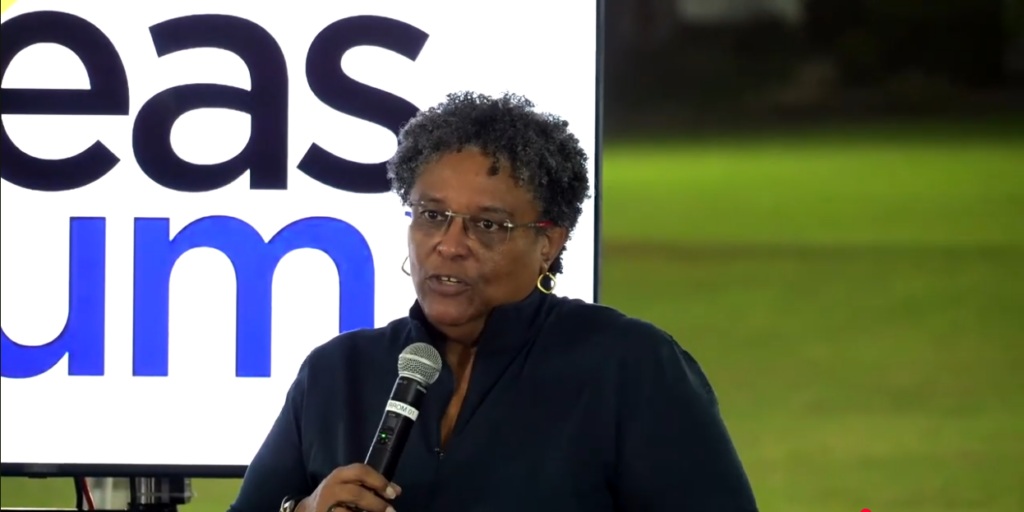
Minister of Economic Affairs and Planning Marsha Caddle proposed overhauling the programme following challenges highlighted by the Ministry of Labour.
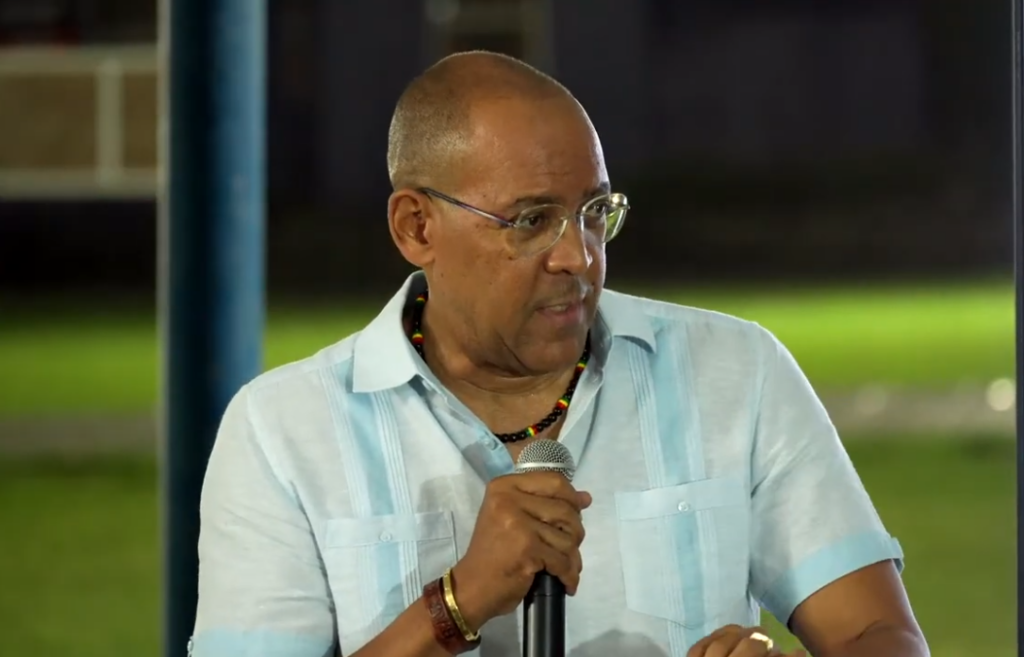
Minister of Labour Colin Jordan revealed some of the difficulties as the House Estimates debated the ministry’s appropriations for the next fiscal year.
“Besides the fact that there are some other programs you’ve identified — the Gateways, there’s also Prince’s Trust, and there is the Barbados Youth Advanced Corps. There are a number of other programmes that exist, and officers administering all of these programmes are essentially knocking on the same doors…We have to do better collaboration across the various ministries, across the various programmes who are addressing some of the same young people.”
He also noted the small pool of private sector employers capable of paying stipends or offering mentorship.
“Our programme was designed that medium and larger businesses would pay the entire stipend. Now, we had a big lash during the COVID period but coming out of COVID, potential employers have not gone back to a pre-COVID mindset. There’s a lot more caution.”
Jordan stated that literacy gaps among participants remain a challenge.
“Literacy that I mentioned earlier is also another of those challenges, and that’s come out in the training, and that’s the reason why we are putting programs in place to address that. But we have to do some better collaboration because we need to make sure that all our young people are channel-guided in the right direction.”
He added that the government may consider taking on part of the stipend cost to encourage more private sector participation.
“We believe that employing organisations should recognise in a material way that there is a responsibility that they have to make sure that our young people are put in a position where they can realise their potential and not resort to what may be considered anti-social type behaviours.”
Programme manager Erika Watson explained that the World of Work programme has been expanded, and this is where the majority of the funds are used.
“The majority of the money that is spent is spent on what we call the world of work training and the pre-placement preparation. So the world of work training, we have actually expanded that. It used to be two weeks, but it’s three weeks of training where they cover core skills. They cover things like job search techniques; a lot of young persons don’t actually have a resume, so they do resume writing, they do interview techniques.”
Watson highlighted other expansions to the programme.
“We included the National Transformation Initiative in terms of citizen education. We’ve also included more in terms of career guidance, and this is based on feedback from our job starters. We also introduced more psychosocial topics like work-life balance, family issues, family conflict, and so on and this again is feedback from our work with the job starters and observations that we made. And then we do additional core skills training, career counselling. That’s where the funding really goes. And while they’re doing this world of work training, a stipend is paid to assist with the expenses of the company for the three weeks of training.”
She acknowledged challenges in placing participants due to employer capacity and limited entry-level jobs.
“In terms of placements and the results of the programme, we have been having challenges with finding new partnerships, and I’m gonna expand on that, but we have about since its inception, we have placed about 410, so about a little bit short of 50 per cent of the training.”
Watson explained that not all employers can provide the mentorship and resources needed.
“The capacity of the organisations to really facilitate the kind of mentorship, the training that will be needed for young persons that don’t have that experience. We find our better partners are the ones who have a strong human resource management arm. Who have actual resources dedicated to human resource management, but that’s not a lot of the organisations in Barbados.”
She noted that more marketing and promotion could improve placement rates.
“We think with more marketing and showing that we can facilitate recruitment selection and offer a pool of talented young persons that have been trained and better positioned, better prepared for the workplace, that can bring some improvements in terms of our numbers.”
Minister Caddle also proposed expanding youth programmes through a wider pool of faith-based organisations, ensuring funding and resources are accessible, “to make sure that all faith-based organisations across every faith represented in Barbados are able to benefit from the exemptions noted there”.
Jordan addressed legislative restrictions under the Charities Act.
“It will also be no discrimination with respect to various faith-based organisations and our ministry has a responsibility to be facilitator… and so the restriction in the Charities Act, the amendment will be made so that we remove that discrimination.”
Lessons from Job Start Plus would inform future programme structure, supervision, and effective use of funds, Jordan said.
The post Funding cut, limited placements hamper Job Start Plus – officials appeared first on Barbados Today.