
The group representing private cane growers complained on Thursday that their livelihoods were in limbo as a strike at Portvale Sugar Factory ended a second week, warning that with each day of stoppage, their cane fields are deteriorating and losses mounting, the farmers’ spokesman has told Barbados TODAY exclusively.
A group of factory employees belonging to the Caswell Franklyn-led Unity Workers Union (UWU) are seeking recognition for the UWU as the bargaining agent for the majority of workers at the country’s lone mill, amid demands for better working conditions and pay.
The Barbados Energy and Sugar Company Inc (BESCO), the cooperative firm which runs the factory, insists that it already recognises the Barbados Workers’ Union (BWU) as the collective bargaining unit for most workers.
Franklyn remains adamant that his members will stay off the job until a settlement is reached.
But the private cane producers said that although they were ready and willing to supply the factory with canes, the ongoing industrial action placed their business in limbo.
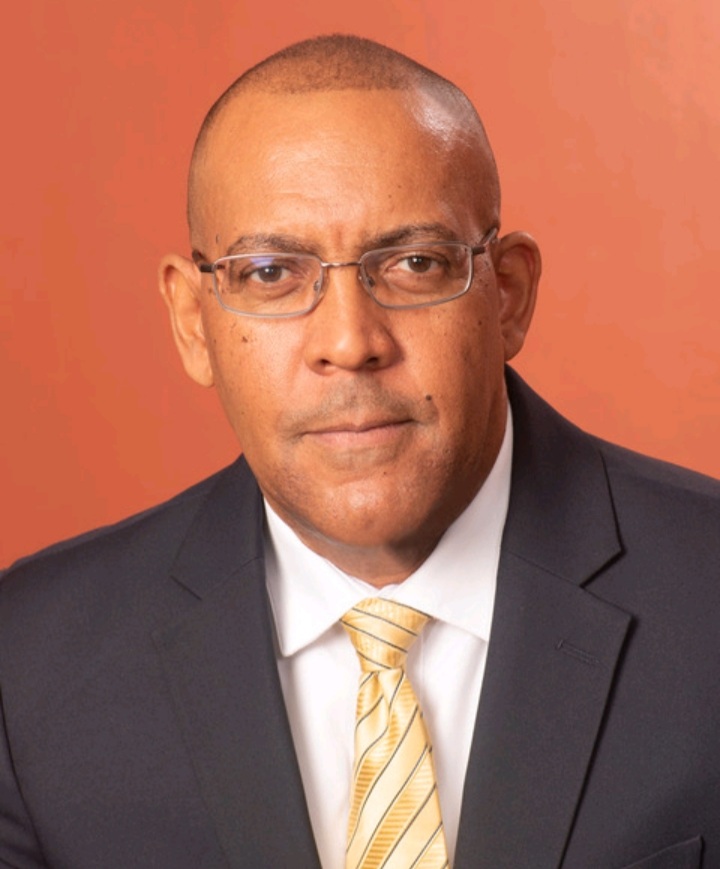
Chairman of the Barbados Sugar Industry Limited (BSIL), Mark Sealy, has told Barbados TODAY that the strike, which has already begun to affect farmers as fields become overrun by rats and canes deteriorate, will have a chain reaction on the factory and on sugar quality.
“They [the cane] have already started deteriorating. The sugar content will be poorer than a week ago. And even if we started a week ago, it would be poorer than the previous week. That is how it works. There are a lot of rats in the fields; and then, besides that, you have people harvesting our canes for us, and selling them at roundabouts and people are buying them.”
“So, I want to reiterate again, that the cane which is being sold at roundabouts is stolen cane, and it’s stolen goods, and nobody should be buying it,” he contended.
The BSIL leader also complained that the strike would reduce the tonnage farmers could deliver to the factory and, by extension, their earnings.
“The sugar produced is very bad for the factory, because it would not be as good quality as they would normally expect. But from the Barbados Sugar Industry Limited’s side, we are kind of being held to ransom by this whole thing, because we can’t deliver the canes, our tonnage will be down; already we had a lot of drought last year… we remember those five months we had drought in the rainy season… so, it’s not a good situation at all.”
Sealy, however, dismissed any need for the country to import sugar despite the adverse situation.
“We won’t need to import sugar because the market for sugar in Barbados is only three to four thousand tons. I believe there have been challenges with people somehow bringing in brown sugar into Barbados, other than Barbados brown sugar, which really isn’t necessary, because every year the factory will produce at least three to four thousand tons of sugar, plus molasses.”
The private cane producers’ representative suggested that not only should the company importing the sugar stop doing so, but that the government also needs to “plug that hole, because it makes no sense competing with your own local crop”.
Sealy is pleading with the parties involved in the impasse to resolve the dispute without further delay.
“It’s a supply chain,” he explained. “We supply the cane to the factory, the factory grinds the cane, makes sugar and molasses; it’s a whole chain, and if somebody there is stopping that process, they are really shooting everybody in the foot… because there is a lot of employment in the industry, and the industry hasn’t been doing particularly well over the years, and this is just another way of affecting the industry very negatively.”
“Over the years, the number of people in the industry has diminished. I think the efficiencies at all the farms… farms have become as efficient as possible. But at the end of the day, if you have these things every single year, and people are making less money, and they are losing more money… let’s face it. There are not that many people who are jumping into farming. Most of the farmers love farming, and that’s why they do it. And they are doing their best to make a little bit of profit; but you don’t see any big jump into farming; and the reason is there is not that much money in it.”
Sealy added, “But the point is, if you are going to have headaches like this, then people will decide ‘it’s not really worth my while’. It’s another headache I have to add to it… you’ve got crop theft, you’ve got droughts and climate change… and it’s very important for Barbados to have food crops; and most of the food crops that come in Barbados are rotated with sugar cane. The volume of food crops… sweet potatoes, yams and so on.”
The chairman of the state-owned Barbados Agricultural Management Company (BAMC), Ambassador Clyde Mascoll, could not be reached for comment on the latest developments.
The post Strike puts cane harvest, sugar quality at risk — Sealy appeared first on Barbados Today.