
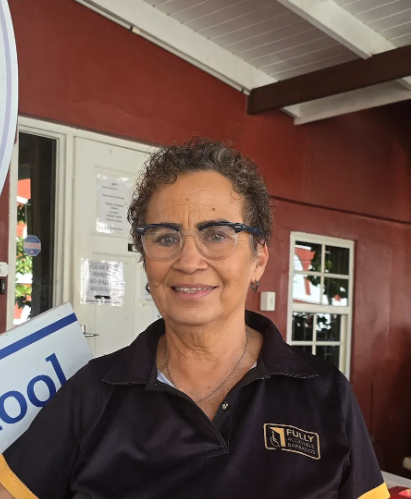
The Barbados Council for the Disabled has called for workplace flexibility, affordable therapy services and purpose-built care facilities for young adults with autism, warning that families face mounting financial strain and a critical gap in long-term support once children age out of the school system.
One of the most pressing gaps remains workplace flexibility for parents and carers, said Roseanna Tudor, operations manager with the BCD, as World Autism Awareness Day was marked on Thursday.
She said: “I remember asking for flexible work arrangements for parents and carers because it affects their ability to maintain employment. Some parents have to leave work at any hour to collect their children from special schools, and that creates financial strain.”
This issue feeds directly into wider concerns around financial assistance, which she says is not sufficient on its own, Tudor added.
“The financial assistance is not sufficient unless it is complemented by accessible and affordable support services like physiotherapy, occupational therapy, and speech therapy, which are prohibitively expensive.”
The disability advocate is also highlighting the urgent need for specialised respite and long-term care facilities for young adults with autism who age out of the school system.
“We are also calling for respite and care facilities for young adults with autism who age out of the school system. There is currently no adequate facility, and families are concerned about long-term care.”
She also pointed to the need for day-respite options to support families during working hours and provide relief for ageing caregivers.
“Respite care is needed to support aging carers and families so parents can take a break while their children are safely cared for in purpose-built facilities.”
Tudor further called for purpose-built residential facilities to address what she describes as gaps in the current care system.
“What happens is that they end up going to the psychiatric hospital, where they have no right to be there because there are no facilities specifically for them. This new home that they’re doing up in St Philip, I still don’t know if that is gonna be adequate for our young adults with autism.”
Any long-term care model must go beyond accommodation to include structured life-skills training and independence support, Tudor suggested.
“These facilities can offer shared living accommodations with another young person their age. Obviously, they would have developed living skills. To train the young adults in living skills, daily living skills, cooking, all those things that they need to provide for themselves.
“These would develop socialisation skills and prepare young adults with disabilities for caring for themselves when their parents or carers are no longer able.”
The post Disability council: Families of autistic children need help appeared first on Barbados Today.