The Caribbean Public Health Agency (CARPHA) has warned that the region must intensify source reduction efforts as mosquito-borne diseases continue to strain public health systems across the Caribbean.
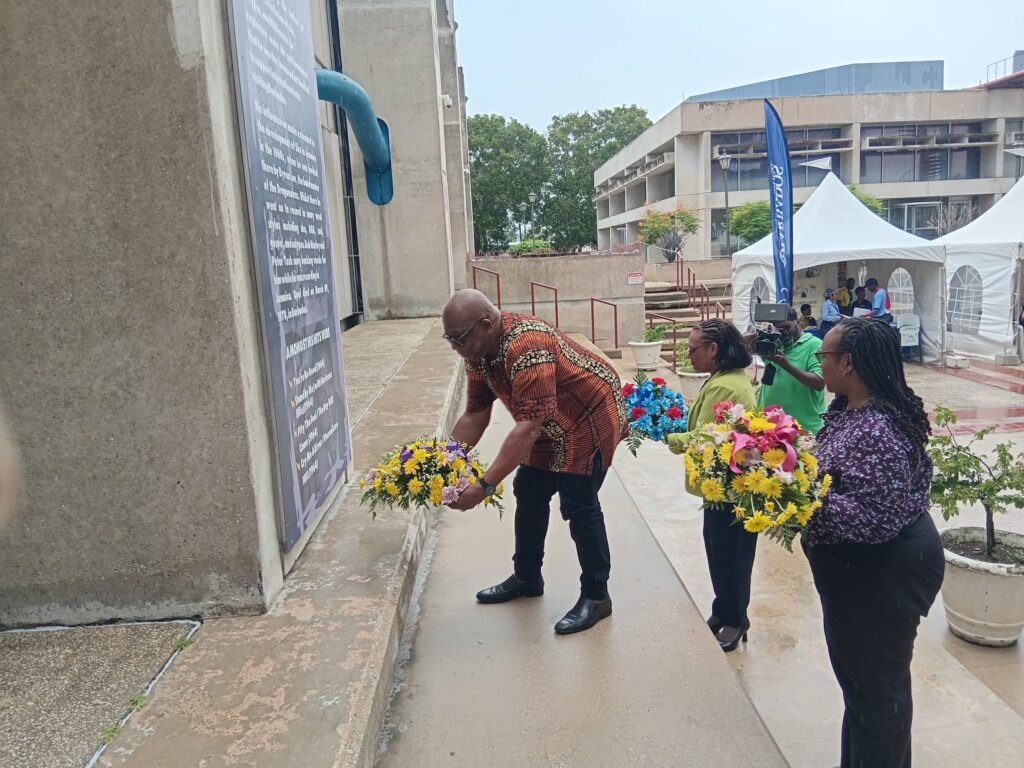
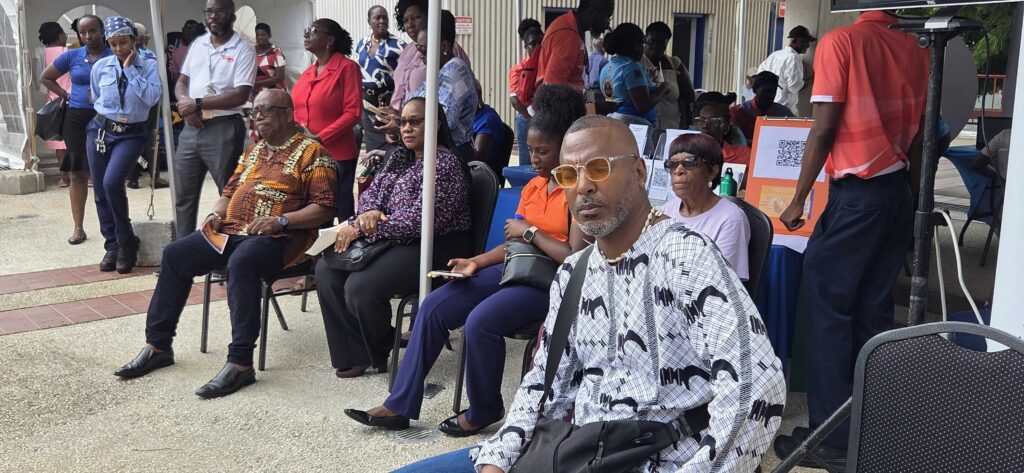
Speaking on Monday at the opening ceremony in Trinidad during the official launch of Caribbean Mosquito Awareness Week 2026, which runs from May 11 to 15 under the theme, Stop Disease Transmission, Start Source Reduction, officials said the campaign comes at a critical time as countries prepare for the rainy season and rising mosquito activity.
CARPHA’s Director of Corporate Services, Dr Mark Sami said the initiative was more than simply about raising awareness.
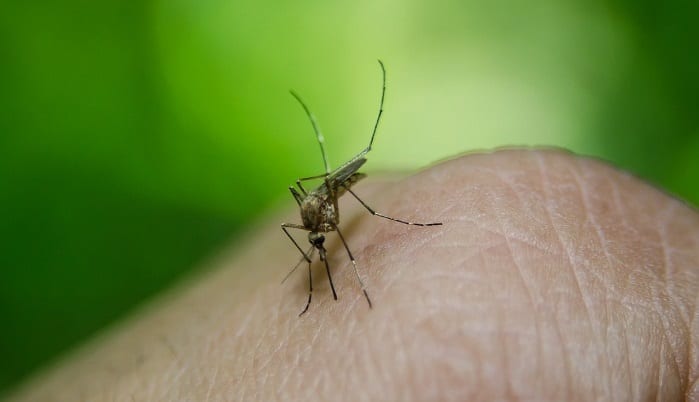
“One of the most effective ways to prevent mosquito-borne disease is through source reduction. A single bottle, cup, an old tire, a flower pot tray, blocked drain, or uncovered barrel with standing water can become a breeding site for mosquitoes,” he said.
Dr Sami pointed out that mosquito-borne illnesses such as dengue, chikungunya, zika and malaria, continue to affect “our health systems, our economies, our tourism, our schools, workplaces, and most importantly, the well-being of our people.”
CARPHA’s Head of Surveillance, Disease Prevention and Control, Dr Horace Cox said mosquito-borne diseases remain a significant burden globally and regionally.
“We are all aware that mosquito-borne diseases contribute to a significant burden, and not only globally, but of course in the Caribbean region,” he said, noting that dengue, chikungunya and zika remain major concerns.
Head of Vector Borne Diseases at CARPHA, Dr Roshan Parasram described chikungunya as the disease “to keep an eye on” following large outbreaks in Suriname and Cuba earlier this year.
“Having said that, of course, dengue remains endemic to the region,” he said. “The good thing about it and why we focus on source reduction is that all three of them tend to be shared by the same vector.”
Dr Parasram stressed that source reduction remained the most sustainable response as insecticide resistance grows across the Caribbean.
“The fundamental basic principle is that source reduction tends to be, if done properly, the most environmentally sustainable measure that we can use.
“Source reduction again is the key, and it’s the easiest way we can control the vector population,” Dr Parasram maintained.
Officials also outlined a paradigm shift towards integrating climate and health data into early warning systems capable of predicting dengue surges months in advance.
“The team is working… in terms of developing new tools that would… integrate climate data that’s available to foretell whether there’s going to be an increase in dengue cases,” Dr Cox explained.
“If that prediction is given with some level of certainty one to three months prior to the event happening, then there’s an early opportunity for us to intervene.”
As part of activities, around 300 primary and secondary school students will be participating in insectary tours, source reduction demonstrations, treatment technique displays, personal protection education and showcases of emerging technologies including drones, surveillance applications and geographic information systems.
Dr Parasram said CARPHA is expanding the initiative beyond Trinidad and Tobago through a regional Health Promotion Ambassadors Programme involving schools across selected member states.
“This is a Caribbean-wide program,” he said. “The school goes through a program of training… so that they can actually determine if the children are learning and of course if the school is becoming an environment that is less [likely] that you’ll have breeding on site.”
Medical Officer at Trinidad and Tobago’s Ministry of Education, Dr Matthew Desaine underscored the role of schools in changing public behaviour.
“A child who learns why stagnant water must be removed from the environment… can take that home to his parents,” he said. “When our students are engaged in health education, environmental stewardship, and community action, they become the messengers of prevention.”
Dr Desaine added that the fight against mosquito-borne disease “cannot be limited to a single week, a single campaign, or a single rainy season.”
CARPHA said the week of activities is funded through the Pandemic Fund Project and supports the region’s integrated vector management strategy plan aimed at reducing mosquito breeding and strengthening prevention efforts.
The agency is also launching a regional video competition encouraging the public to demonstrate practical source reduction techniques as part of efforts to sustain community engagement beyond the awareness week.
(LE)
The post CARPHA launches Caribbean Mosquito Awareness Week appeared first on Barbados Today.