
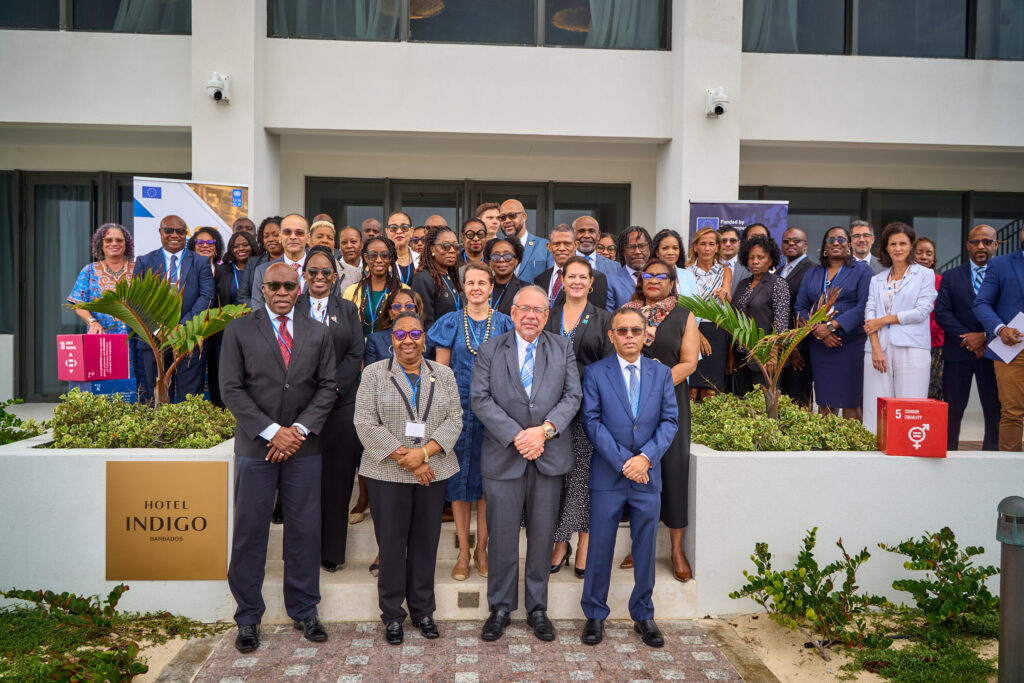
A lack of reliable judicial data is hampering efforts to reduce case backlogs and improve court performance across the Caribbean, Chief Justice Leslie Haynes has warned, urging the urgent creation of structured systems to collect and analyse information to guide reform.
As a regional workshop on case management standard operating procedures (SOPs) for the judiciary opened at Hotel Indigo on Thursday, the chief justice said meaningful reform in the justice system would remain difficult without reliable information to guide decision-making.
“We do not have a framework for the collection of data,” he said, noting that data gathering has often been assigned informally to legal assistants, judicial support officers or clerks without clear systems in place.
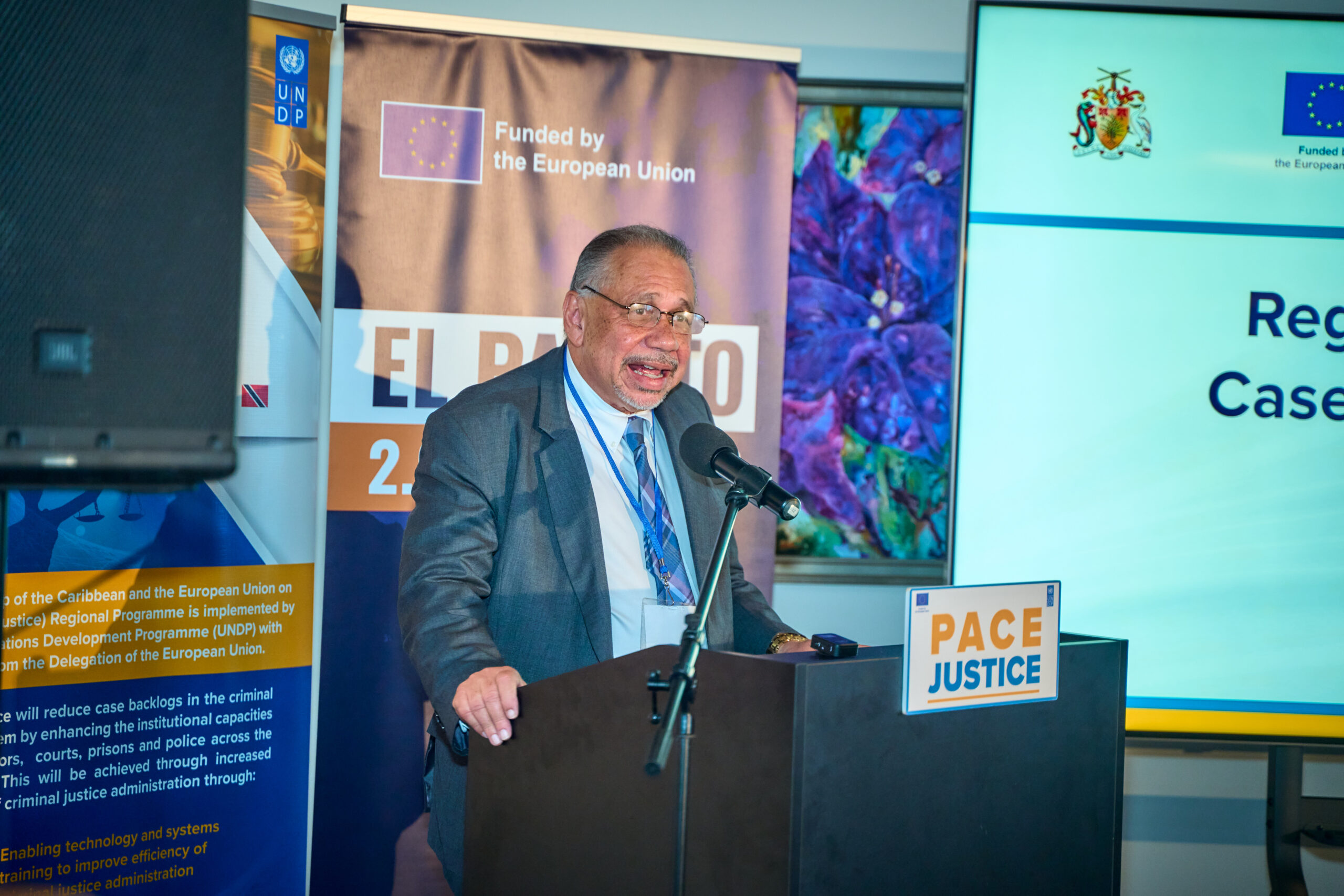
Chief Justice Leslie Haynes
Even when data is collected, he said, continuity is often lost when personnel change positions.
“There is a necessity for us to create a framework for the collection of this data because if we do not, we will be unable to make the necessary decisions that we ought to make, and our decisions will be based on anecdotal evidence,” Haynes added.
He stressed that data should not be viewed as a tool for assigning blame but rather as a means of identifying and addressing inefficiencies within the court system.
“We need data to understand where the bottlenecks exist, and having gathered the data, to resolve the issue,” he said.
Chief Justice Haynes also cautioned that technology alone would not solve the challenges facing the judiciary, arguing that organisational culture and accountability are equally important.
“Culture eats technology for breakfast,” he said. “Change management is a mindset and it has to be addressed by us.”
He added that successful reform requires greater discipline, accountability, respect for timeliness, commitment to efficiency and a willingness to adapt.
The chief justice said the workshop was particularly timely given the mounting pressures facing criminal justice systems throughout the Caribbean.
“Our criminal justice system is under tremendous pressure,” he said.
Haynes observed that the region can no longer be viewed solely through the traditional image of a carefree tropical paradise.
“The Caribbean region can no longer be described as an easy-going paradise where we drink coconut water in various mixtures,” he said, noting that changing realities have brought new security and social challenges.
He pointed to rising crime levels and growing demands on the justice sector, saying these developments are reflected in everyday life across the region. “That crime is now an everyday reality for us is reflected in the songs that we sing, the movies that we watch, the news reports that we listen to, and the day-to-day stories shared by our friends and neighbours.”
He noted that rising caseloads, limited resources, complex social issues and heightened public expectations have combined to create an urgent need for reform.
According to Haynes, discussions during the two-day workshop will play a critical role in strengthening the credibility, efficiency and fairness of the criminal justice system.
“Our discussions over the next two days will be central to the criminal justice system, its credibility, efficiency and fairness,” he said, adding that improvements in those areas would help increase public trust and confidence in the administration of justice across the region.
(SB)
The post Judicial data gaps undermine court efficiency, chief justice warns appeared first on Barbados Today.