
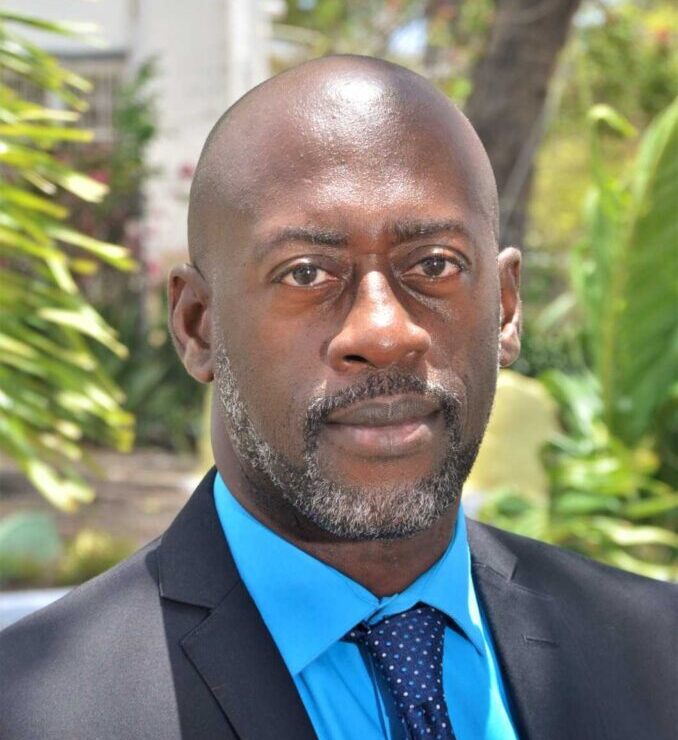
A major overhaul of how primary school students are assessed could place added financial strain on schools already short of resources, the Barbados Union of Teachers (BUT) has warned, as it questioned how the Ministry of Education Transformation plans to fund the changes.
BUT president Rudy Lovell said the changes being discussed have the potential to benefit students, but implementation would require adequate resources, infrastructure and sustained financial investment.
“Educational reform cannot succeed on vision alone. It requires adequate resources, infrastructure, and sustained financial investment,” Lovell told Barbados TODAY.
He noted that many primary schools already face resource constraints, with teachers frequently purchasing classroom supplies, teaching aids and other materials out of their own pockets to support learning.
According to Lovell, project-based learning often requires additional materials, technology, research resources, flexible learning spaces and opportunities for collaboration. He said continuous assessment also places additional demands on teachers through increased preparation, professional development, record-keeping and ongoing support to ensure consistency across schools.
“The proposed reforms are likely to place even greater pressure on schools,” he said.
His comments come as the ministry continues consultations on proposed changes to the transition process from primary to secondary school.
Last month, the ministry announced that from September 2026, students entering Class Three would begin a new assessment model designed to replace the current reliance on a single high-stakes examination.
Under the new arrangement, assessment will be spread across Class Three and Class Four, with 50 per cent based on continuous assessment and 50 per cent on standardised testing.
At the time, education minister Chad Blackman said the changes would provide students with a broader opportunity to demonstrate their abilities and allow educators to assess students using different methods rather than relying solely on a three-hour examination.
Chief Education Officer Dr Ramona Archer-Bradshaw said the continuous assessment component was intended to recognise that children are multifaceted and should be evaluated on what they know and can do over time.
Lovell told Barbados TODAY on Friday that the objectives of the reform were understandable but questioned how schools would be supported in delivering the new system.
“Given these realities, a critical question must be addressed by the Ministry of Education Transformation: How does the Ministry intend to fund and support the implementation of these changes?” he asked.
He also questioned whether schools would receive additional allocations to purchase the resources required for project-based learning and whether dedicated funding would be made available to reduce the financial burden currently borne by educators.
“Will primary schools receive increased allocations to purchase the materials and resources required for project-based learning? Will there be dedicated funding to reduce the financial burden currently borne by educators?” Lovell asked.
He maintained that educational transformation should not result in teachers carrying additional responsibilities without the resources needed to succeed.
“Nor should students be disadvantaged because their schools lack the funding needed to implement new initiatives effectively,” he said.
Lovell further argued that funding must be treated as a central component of the reform effort.
“If Barbados is serious about transforming education, then funding must be viewed as a central pillar of reform rather than an afterthought. Policymakers must ensure that every school, regardless of size or location, has the resources necessary to deliver the new curriculum and assessment framework successfully.”
A Ministry of Education Transformation official told Barbados TODAY that the concerns raised had been noted and that consultations remained ongoing through town hall meetings and other engagements.
The official said that once the consultation process has concluded and all of the information gathered has been considered, a more comprehensive response would be provided.
The reforms are scheduled to begin with students entering Class Three in September 2026. Those students will become the first cohort assessed under the new model, while the current Class Three students will be the last group to sit the examination in its current format.
As discussions continue, Lovell said teachers deserved clarity on how the additional demands associated with the proposed changes would be addressed.
“As the nation considers these significant changes, teachers deserve clear answers regarding how the Ministry plans to address the increased demands on schools and ensure that adequate funding accompanies this new initiative,” he said.
(SM)
The post Teachers raise funding concerns over proposed assessment changes appeared first on Barbados Today.