At a time when Barbados is spending between $375m and $825m annually treating non-communicable diseases (NCDs), the government is turning to the food industry as a key partner in helping to reverse the country’s growing health crisis.
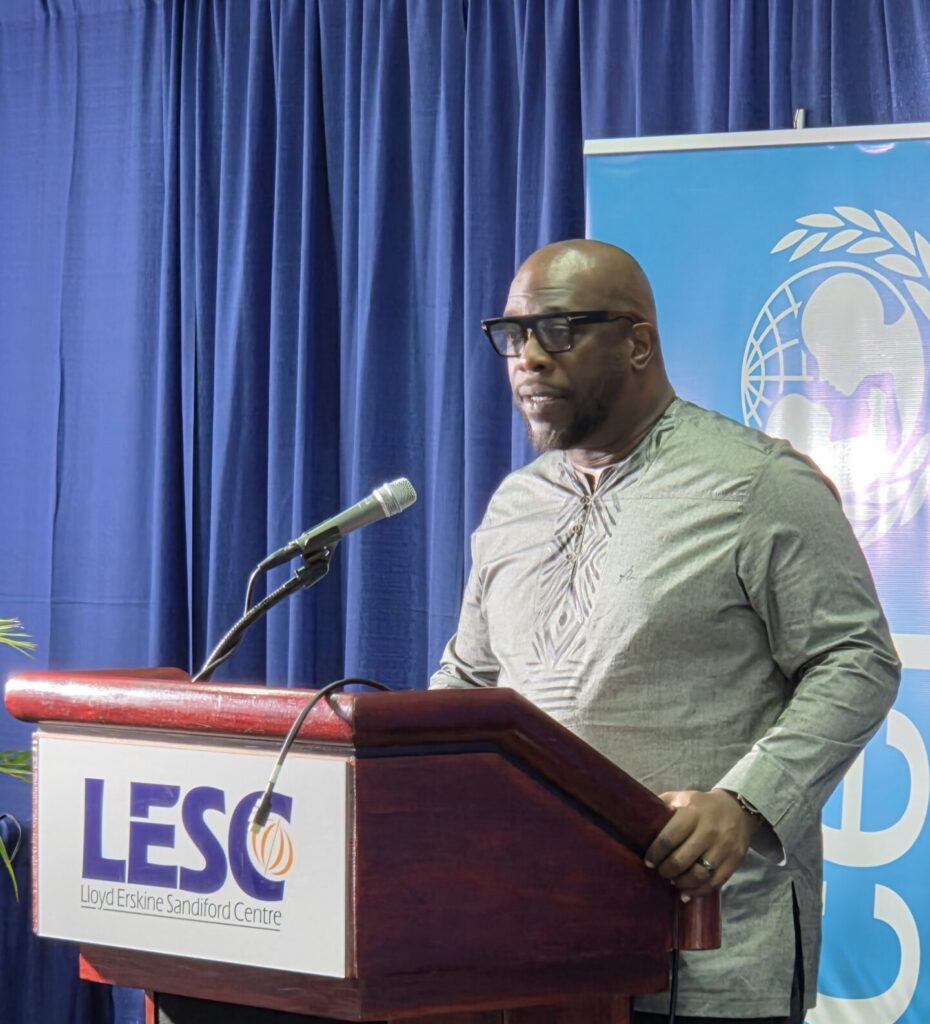
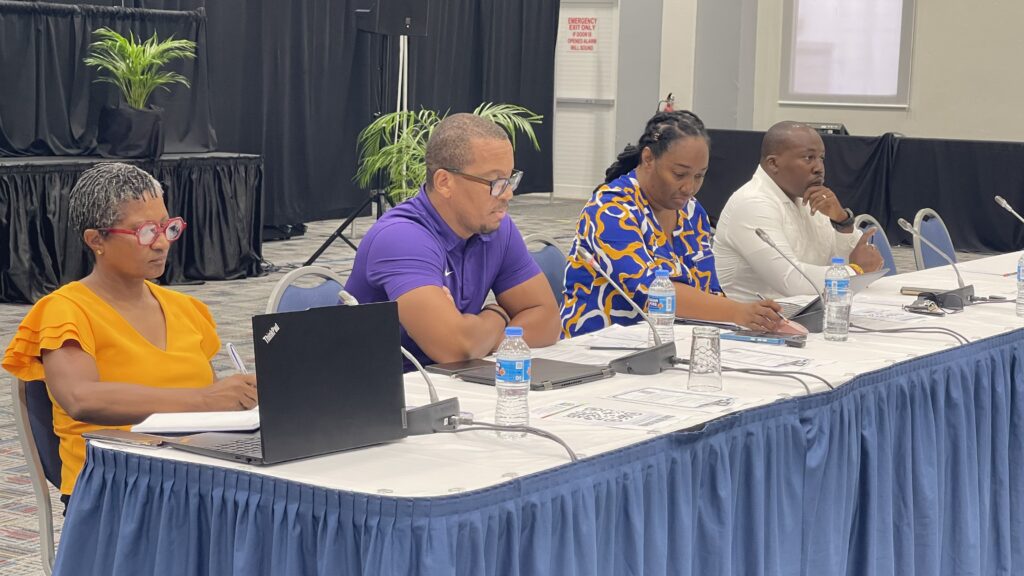
Speaking at the opening of the Engagement with the Food Industry for Healthier Food Environments at the Lloyd Erskine Sandiford Centre, junior health minister Davidson Ishmael said the country could no longer afford to focus only on treating illness.
“We are spending … a minimum $375m to $825m dollars is going into treating NCDs on a yearly basis. That’s a lot of millions.
“$375m through to $825m per year out of your taxpayers dollars. So the money that we generate from you and your activities, out of the income tax that each of you pay, all of that money is going towards treating diabetes, hypertension, strokes, heart attacks.”
The government was now seeking to invest in prevention by formally engaging manufacturers, distributors and other stakeholders to reformulate products and make healthier options more accessible to Barbadians, said Ishmael.
“We really do believe and we understand and all of the research tells us that prevention is better than cure.
“Every dollar that we spend in helping our industries to reformulate, every dollar that we spend in helping our people to have better, more affordable choices when it comes to their healthy food intake, those dollars help us and give us a significant return on investment relative to reducing morbidity and mortality relative to NCDs.”
Describing the roundtable as part of the ministry’s wider strategy, Ishmael said government wanted “frank dialogue” with industry players about the challenges and opportunities involved in producing healthier foods.
“How can government support you as you embark on and in some cases as you continue on your efforts on your journey to reformulate your product to make your product healthier for our people, more nutritious for our people?” he asked.
“We want to be able to have not only frank exchanges but to see how we can work together.”
The initiative comes against the backdrop of an escalating NCD crisis. Just days earlier, Ishmael revealed that NCDs account for approximately 83 per cent of adult deaths in Barbados, while the country also loses an estimated $147 million annually in workplace productivity because of chronic illnesses.
The effects of chronic lifestyle diseases were touching every aspect of Barbadian life, said acting Senior Medical Officer of Health Dr Kimberly Phillips.
“It is grave happenings in our land that bring us to this round table today. We are facing a slow but progressive epidemic of communicable diseases, which is actively dismantling the fabric of our society.
“Our pursuit of happiness all too often gets sidelined by our desperate grasping for the health that keeps sliding beyond our reach.”
Barbados continues to record rates of chronic illnesses above global averages, she noted.
“We battle with rates of chronic diseases above global averages: diabetes prevalent at 20 to 25 per cent and hypertension at about 40 per cent in adults. Both percentages [have been] steadily climbing for the past 40 years,” Phillips said.
Phillips told industry representatives that their involvement was essential because poor nutrition remains one of the major drivers of NCDs.
“Your pivotal role in the food industry in Barbados makes your contribution and participation in this fight vital,” she said.
Deputy Nutrition Officer at the National Nutrition Centre, Brian Payne, outlined some of the areas the partnership hopes to address, including reducing sugar, sodium and unhealthy fats in foods while making healthier options more affordable.
“The idea here is to improve the nutritional quality of meals which Barbadians get… to have a healthier food environment,” he said.
Payne disclosed that legislation to eliminate trans fats is also being pursued.
“We are currently working on legislation to actually ban trans fat and partially hydrogenated oils. So that is definitely on the cards,” he said.
He stressed that the goal was not simply to prohibit certain ingredients:
“The key thing is to also increase the availability and affordability of healthier food options… and of course, pretty soon no trans fat where possible.”
Payne acknowledged that reformulating products comes with costs and said the ministry wanted to understand the realities manufacturers and importers face.
As discussions continued, Ishmael said the ministry’s vision extends beyond policy changes and healthier products.
“I have a vision that this small island can become the healthiest nation on earth.
“Why? Because we are small enough that we can do it.
“We can fix a lot of the issues that we have in our country … but we have to work together to get it done.”
He added that the ministry is also developing a national wellness policy to guide Barbados’ health priorities over the coming years, with interest groups expected to be consulted as the framework takes shape.
(LE)
The post Health ministry turns to food industry as NCD treatment bill tops $825m appeared first on Barbados Today.