As the Ministry of Education Transformation records a steady increase in requests for special accommodation for those sitting the Common Entrance Examination, educators and psychologists say growing awareness among parents and teachers is leading more students to be assessed for learning and developmental challenges.
This year, the ministry received 240 requests for special accommodation, up from 194 last year and 183 the year before.
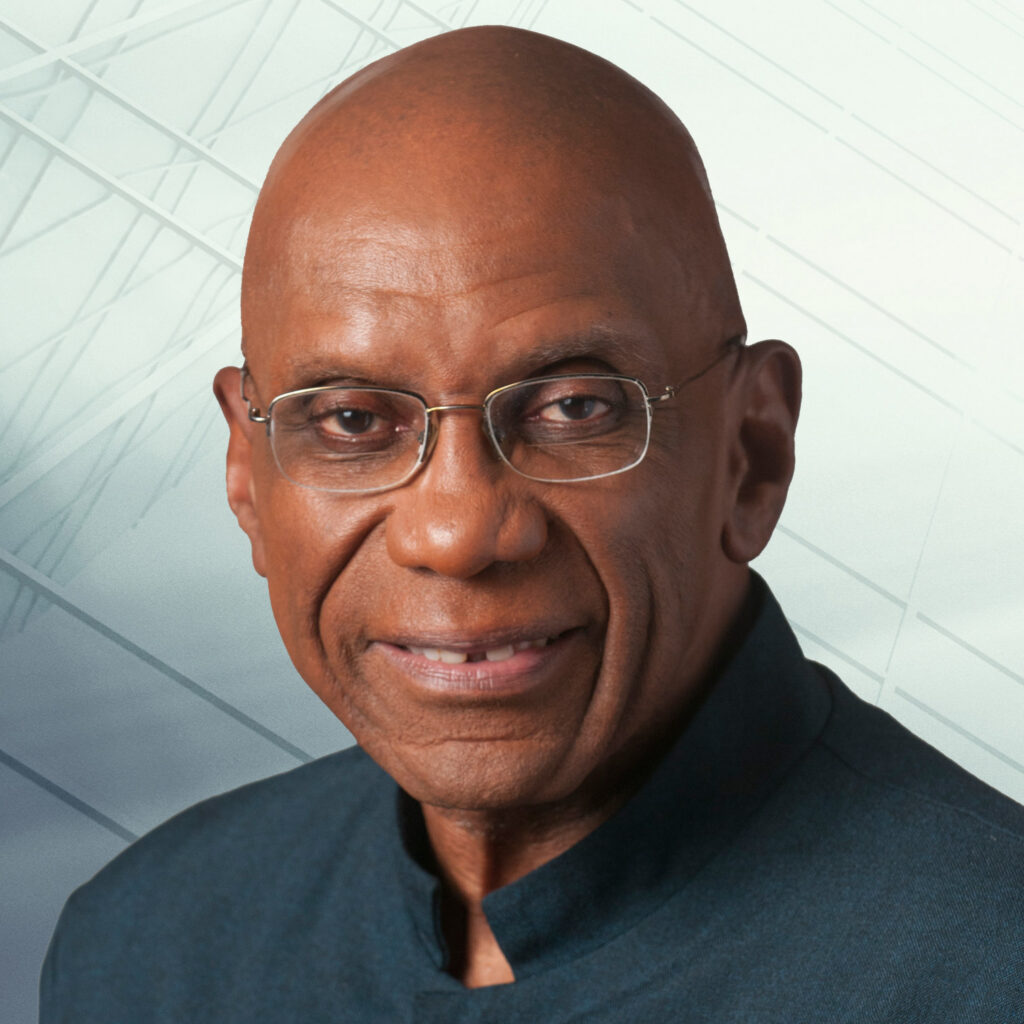
Senior psychologist with the Ministry of Education, Juanita Brathwaite-Wharton, confirmed the increase, noting that it reflects a greater awareness of children’s learning styles and challenges.
“More people are requesting psychological assessments, which usually give you an indication of where the child is at, what the child needs in order to thrive in the academic and any other sphere that impacts the learning. Having had those assessments, parents are now advocating for accommodations, not just for exams, but in class.”
She further explained: “Parents are understanding that children learn differently and they are seeking to find out what are the things that their particular child needs in order to thrive in the educational environment.”
Brathwaite-Wharton said teachers would benefit from additional professional development to better understand exceptionalities and support students with diverse learning needs.
“Teachers generally need more education – professional development — on some of the exceptionalities that there are out there and how best to teach children with those exceptionalities. Once they have the wherewithal to do so, whatever that be, sometimes it means additional hands in the classroom, and that’s where the school assistants come in, usually get a favourable response in terms of putting the extra supports in place.”
She revealed that challenges arise when teachers lack sufficient support to provide differentiated instruction. “It becomes challenging when they do not have the support that they need in the classroom in order to provide the kind of differentiated instruction that we would be expecting of them, dealing with different children with different issues.”
The senior psychologist argued that because every classroom contains students with different learning needs, all teachers should have an understanding of special educational needs.
“Every teacher needs to be a teacher of special needs, not every teacher needs to be a special needs teacher. There are exceptionalities in every classroom, in every school, at every level.
Head of the Barbados Association of Guidance Counsellors, Shernell Clarke, said one of the biggest challenges remains getting children assessed in a timely manner.
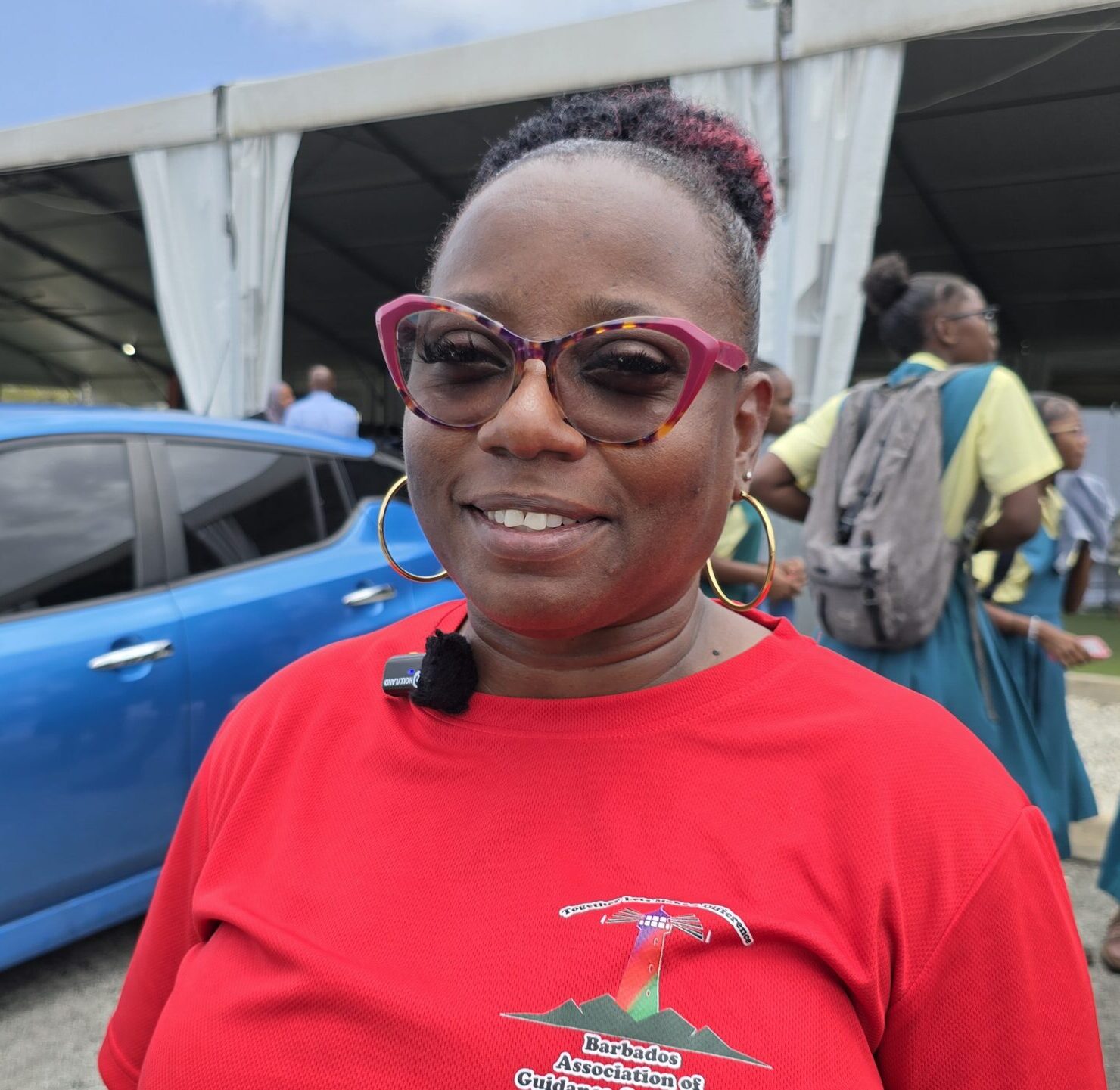
President of the Barbados Association of Guidance Counsellors, Sharnell Clarke
She noted that some parents may be reluctant to have their children assessed, while cost and waiting times can also present barriers.
“A teacher might recognise there is a problem but in speaking with some parents, they’re not willing to allow their children to be tested, in some cases, if they have to pay for it, that might be an issue too, because sometimes there’s a delay in getting the assessment done if you have to get it done through the Ministry of Education; they try their best to ensure that the students that are referred to them, they do get the assessment that they need.”
Clarke pointed out that private assessments can cost thousands of dollars, making access difficult for some families, while demand for public assessment services continues to grow.
She also underscored the critical importance of parental involvement in helping children manage learning challenges.
“You will find that there are some parents because they’re not willing to get that assessment done for shame or for whatever reason, some of them don’t like to admit that there’s a problem. So if that is not taken seriously, the teachers, the school, whoever, cannot do anything to help.”
Clarke told Barbados TODAY that teachers are often the first to identify potential learning difficulties and recommend that parents seek professional assessments.
“Parental support from the standpoint that you are showing the child or you’re helping the child with ways of coping with what’s happening to them, rather than making a noise, rather than pointing fingers at the school or pointing fingers at other people and saying that they’re not doing enough, but if the child’s teacher says, we recognize there’s a problem, you may need to get him or her assessed and taking that point from the teacher to do what is needed to help the child.”
The guidance counsellor said psychological assessments help identify students’ needs and guide recommendations for support, adding that many children thrive once appropriate interventions are put in place.
“There are some students once the problem is identified and we’re able to put the measures suggested by the psychologist in place, and even with parental support, they’re able to manage or they’re able to cope with whatever diagnosis that they have and they’re able to excel in some cases, but in other cases, some students will have a difficulty focusing, even sometimes if they try as they may, they will not be able to handle the workload and in some cases, therefore, you will see behavioral issues,” Clarke explained.
She also argued that greater investment is needed at the primary-school level to identify and address challenges before students reach secondary school.
Clarke said more counsellors and social workers should be assigned to primary schools, where early intervention can have the greatest impact.
The guidance counsellor further warned against dismissing struggling students as merely “playing the fool” when underlying issues may exist.
“More resources and personnel need to be directed toward addressing these needs, the academic needs. Even the psychological needs of the students of today, and not just brushing it off as you’re playing the fool, but something might actually be wrong, or something might actually be amiss.”
She admitted that large class sizes and limited resources make it difficult to implement all recommendations from psychologists.
“Especially secondary schools, many of them are struggling with class sizes when you have a large class of 33 or 35, you’re going to find it difficult to address every learning need in a classroom, because then it means that you’re probably gonna have to be doing certain things four or five different ways, and that’s taxing on teachers. So I think that the resources, physical resources, yes, but also personnel, need to be employed to address these issues.”
(LG)
The post 11-Plus: Awareness up as accommodation requests rise appeared first on Barbados Today.