
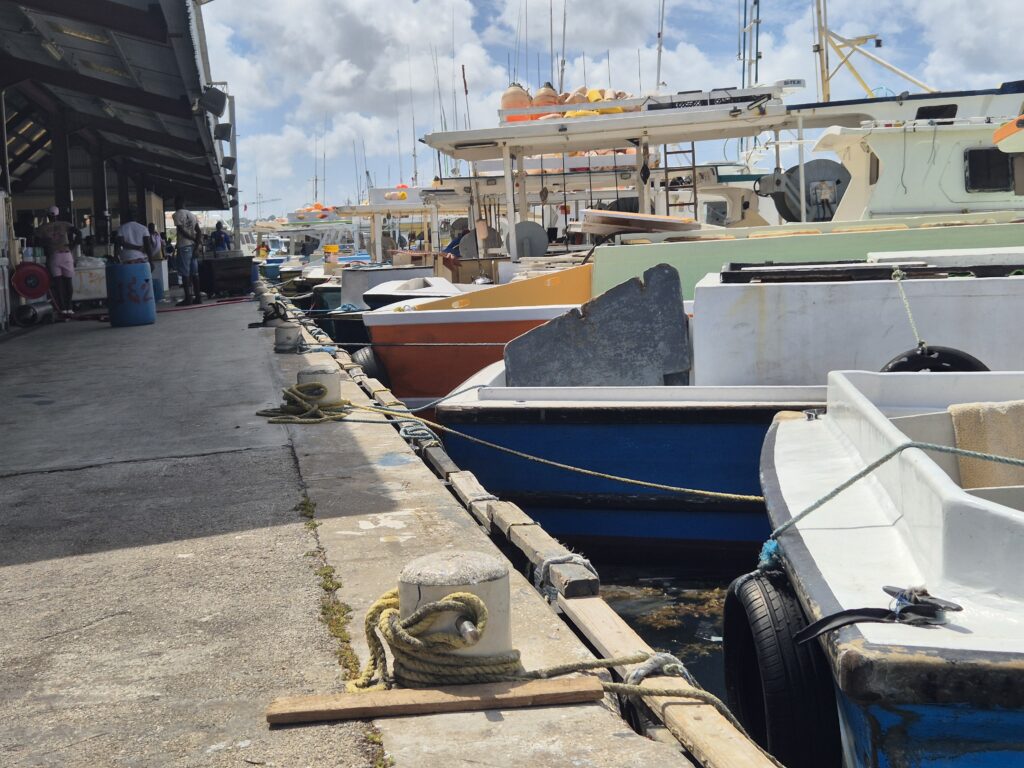
Fishers may now have to shift their attention to possible non-traditional catches, forcing consumers to readjust their tastes toward new ocean-based sources of protein, a key industry player has suggested.
President of the Blackfin Fleet Cooperative Society (BFCS), Moonesh Dharampaul, told Barbados TODAY that climate change, including rising sea temperatures, has been limiting the yields of popular species such as dolphinfish (mahi-mahi).
He said: “In terms of scarcity…fish move with the temperature of the water, and we have been having adverse weather temperatures. So, yes, we are not catching as many species as we would like. So, for example, the dolphin yields are not where they used to be years ago.
“So we will have to look at other species that we are catching now. So, the fellows would have to rig their boats to catch different things at the end of the day. This is all based on climate change, and now we still have to battle the Sargassum [seaweed].”
But in its economic review for the first quarter of this year, the Central Bank of Barbados paints a different picture of fish yields: “Overall agricultural production increased by 4.1 per cent, driven by strong gains in fishing and select livestock output. Fish catches rose sharply by 55.2 per cent on higher landings of flying fish, tuna, dolphin, and jacks.
For the same period last year, fish landings declined by 34.5 per cent, worsened by sargassum influxes, the bank said.
(EJ)
The post Fishers urged to adapt as catches shift appeared first on Barbados Today.