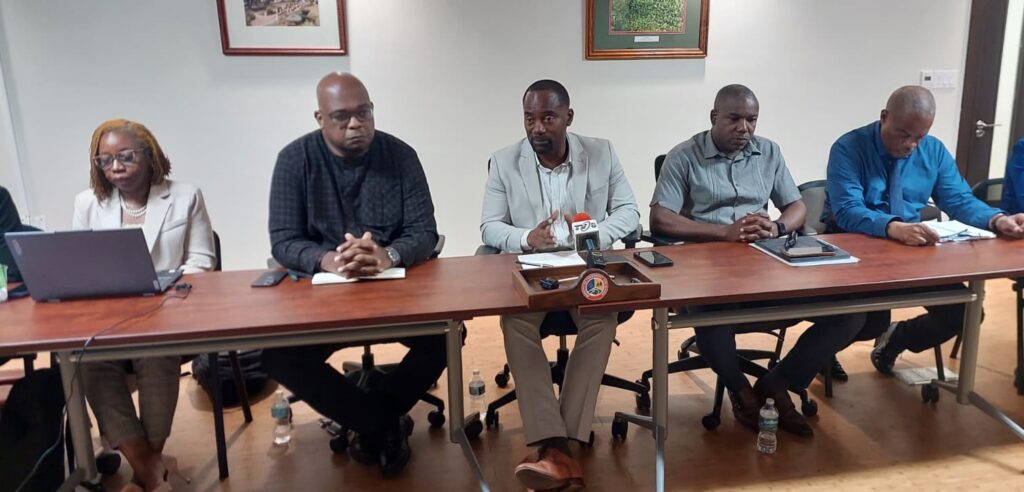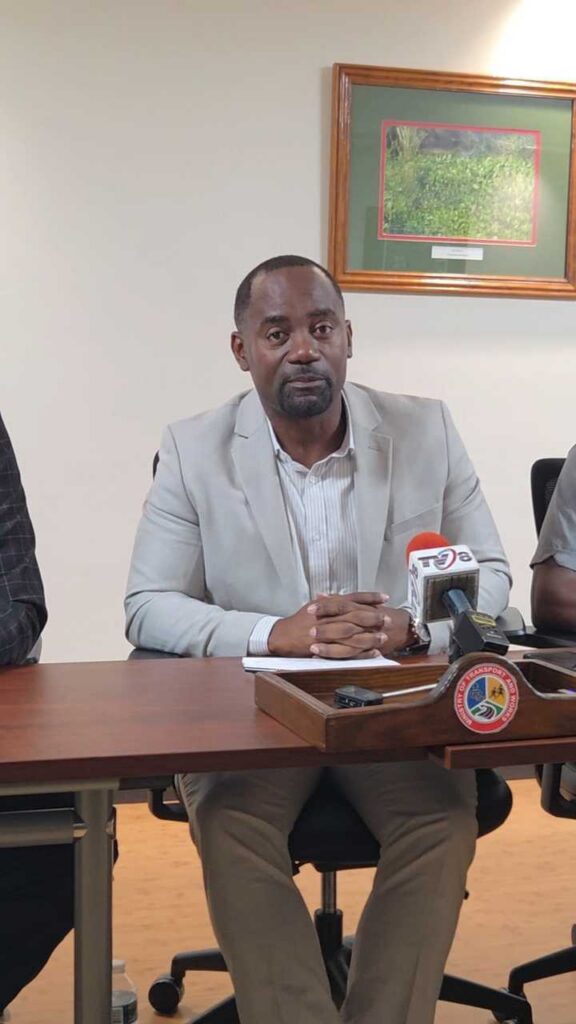
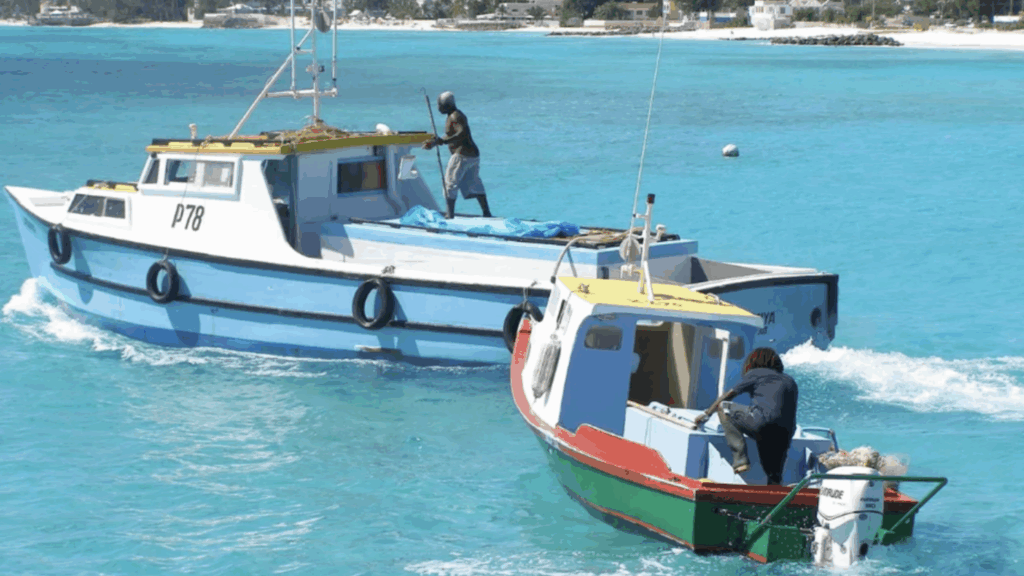
A pioneering insurance scheme designed to protect fisherfolk ahead of catastrophic weather events has been met with cautious scepticism in the Oistins and Bridgetown fishing communities.
While regional authorities have hailed the initiative as a groundbreaking advancement in disaster risk management, the operators are seeking information on how the mechanism will work before pledging their support.
The innovative programme, developed jointly by the United Nations Office for Disaster Risk Reduction and CCRIF SPC, the regional insurance pool, in collaboration with the government, aims to shield approximately 6 000 fishers across the island.
Operating as an anticipatory action mechanism, the scheme utilises advanced weather modelling to release critical funds up to three days before a hurricane makes landfall. This forecast-based financing is intended to give fishers the necessary time and financial means to secure their vessels, dismantle expensive engines, protect their equipment, and seek safe shelter before physical destruction materialises.
Despite the promised benefits, the reaction on the ground in Bridgetown was defined by a collective silence, with many operators flatly declining to comment until concrete details were provided. For those willing to speak, the overriding sentiment is that the authorities have failed to adequately explain the practical and financial realities of the scheme to the very people it is supposed to protect.
Steven Bourne, 74, a veteran fisherman with decades of experience on the water at Oistins, expressed deep reservations about the lack of communication surrounding the initiative. Speaking from the harbour, he declared that after 60 years in the industry, he is preparing to retire, but remains deeply concerned for the future of his family members who still rely on the sea.
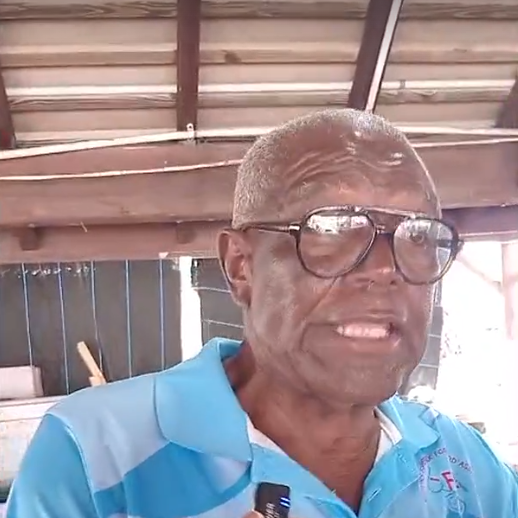
Steven Bourne Oistins fisherman
”My thoughts on this is that them have to come and enlighten us,” Bourne said emphatically. “Tell us whatever it would be or how it would be, what benefits it would be for we and everything before we could contribute to it. We just can’t contribute to something that we don’t know about. It don’t make no sense to me.”
The government pledged to contribute to the insurance pool. There was no indication that fishers would be required to pay premiums.
Bourne stressed that the fishing community expects its designated representatives to bridge the information gap and negotiate clearly with the government and international agencies.
“We have a representative now that supposed to represent me and he could engage with anybody and let me know exactly what the coverage is and what is going on before we go into these things…”
The push for a proactive insurance model comes as memories of Hurricane Beryl, which caused a near-wipeout of the fishing fleet as it swept past the island in 2024, remain fresh. Many operators are still grappling with the financial aftermath of that disaster, making the prospect of a mechanism that prevents losses, rather than merely responding to them, highly attractive in theory.
By shifting from post-disaster recovery to pre-disaster preparedness, international partners hope the mechanism would significantly reduce losses, accelerate recovery times, and make disaster risk management more cost-effective. But the disconnect between high-level international policy and the grassroots fishing community highlights a significant hurdle for the rollout.
(RR)
The post Fishers, wary of new pre-insurance plan, seek more information appeared first on Barbados Today.