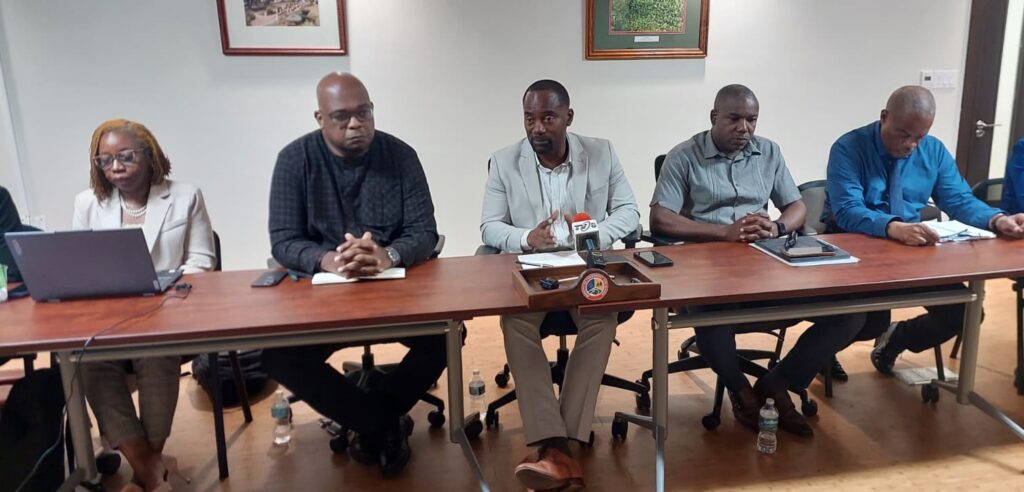
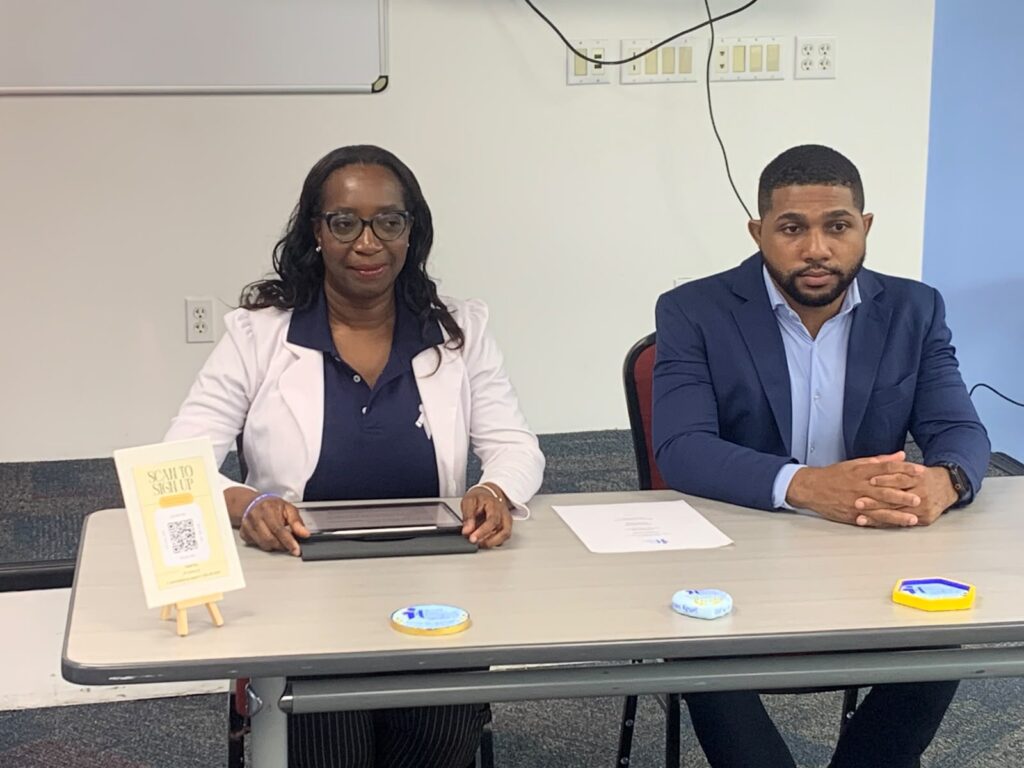
Artificial intelligence has arrived in the Caribbean workplace, and Barbadian organisations must quickly adjust how they train, recruit and manage staff if they are to remain competitive over the next decade. according to human resource leaders, launching a major industry conference.
As the Human Resource Management Association of Barbados (HRMAB) launched its People Development Conference slated for mid-October, president Tisha Peters said this year’s summit — themed Workforce 2030: Ready or Not — will focus on navigating the rapid rise of automation and digital change.
Human resource departments across the island are no longer limited to back-office administration such as payroll and compliance; they now operate in an environment shaped by global remote recruitment, domestic brain drain, and fast-moving technological change, Peters said.
“Many organisations are still working on how AI fits into their operations,” Peters noted, addressing a persistent anxiety felt by workers. “Not whether it is coming — it is here. The question is how we prepare our people for it.”
She rejected the idea that technology will simply eliminate jobs, pointing to World Economic Forum projections that AI and automation will create 170 million new jobs globally by 2030. Instead, she suggested, roles are changing.
“AI will certainly change jobs,” Peters said. “It will automate some tasks, reshape others, and create entirely new roles that did not exist a few years ago. Five years ago, who had ever heard of a prompt engineer, an AI trainer, an AI ethics and compliance officer, or a chief AI officer? These jobs did not exist, and today organisations around the world are hiring for them.”
The widespread availability of public AI tools such as ChatGPT, Claude and Perplexity is already changing business processes, particularly recruitment, with human resource leaders warning of new challenges for hiring managers.
Job seekers are increasingly using AI to draft and refine application materials, said Nicholas Roberts, a former HRMAB president who chairs the conference committee. But while AI can produce polished documents, it can also expose gaps during in-person interviews, he added.
“You can literally plug your CV into a cloud or ChatGPT and ask it to refurbish it for you based on the job posting, which is a good thing because it can give you an excellent CV,” Roberts said. “But when the candidate comes in front of you, you see the skills gap. The person is not able to speak on what is on their CV credibly, and they are not able to identify the skills that they have said they can do.”
The trend is placing added pressure on human resource professionals who shortlist strong-looking candidates, only to find they lack the required technical or analytical ability, Roberts said.
Both leaders said Barbados must move quickly to strengthen education and professional training. While Caribbean economies have often adopted new technologies more slowly than larger markets, Roberts warned against delay:
“It will take us longer to train our children and train our workforces to get ready for the changes that are required in terms of the jobs of the future, but I don’t think that we should bury our heads in the sand and say that we will deal with it when it happens.
“We should be looking at seeing what is happening in the international markets in terms of what type of jobs are being recruited for now, what is required, what is being projected, and train our children now.”
Despite the surge in automated flyers, marketing assets and digital systems across local businesses, the HRMAB leaders maintained that human capital remains the island’s ultimate economic advantage. When asked if Barbados would ever see entirely automated workplaces devoid of human staff, Peters remained highly sceptical.
“I don’t see it happening, to be quite honest. Even if you have an automated factory, you still need a human element in there to intervene just in case. So you will always need people at the heart of every organisation, no matter what is happening.”
She stressed that core human traits — such as critical thinking, emotional intelligence, ethical decision-making and strong leadership — are precisely what employees must cultivate to remain invaluable alongside digital tools.
(RR)
The post AI era forces rethink of jobs training, hiring appeared first on Barbados Today.