
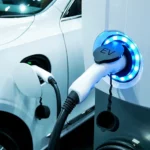
Electric and hybrid vehicles now make up about 70 per cent of all new vehicle sales in Barbados.
Industry leaders say the rapid transformation has been fuelled by generous Government tax incentives, lower operating costs and a growing range of affordable models.
However, they are also warning that Barbados must begin planning now for the environmental challenges that accompany the electric vehicle (EV) revolution.
In 2023, internal combustion engine vehicles accounted for 75 per cent of new car sales, while fully electric vehicles represented just three per cent. Today, pure EVs make up 19 per cent of new sales, with hybrids, plug-in hybrids and mild hybrids accounting for the balance of the green vehicle market.
Chief executive officer of Caribbean Automotive Retailers, Brent Murphy, credited Government’s fiscal policies for accelerating the transition.
“The incentives are very good for Barbados. I think Barbados is probably one of the best adopters of EVs in the region,” he said.
Murphy explained that buyers currently pay about ten per cent excise tax and ten per cent import duty on electric vehicles, compared with about 40 per cent excise tax and 45 per cent import duty on conventional petrolpowered vehicles.
“Those incentives have made a huge difference to Barbados adopting EVs,” he said.
At Courtesy Garage Limited, general manager Andrez Greene said electric vehicles now account for roughly one-third of the company’s sales.
“We expect this to increase in the coming months, as we are set to launch a major new plug-in hybrid range in the market,” he said.
General manager of Platinum Motors, Mark Hamilton, said affordability has broadened the appeal of electric vehicles.
In the early days, EVs were largely limited to premium brands but manufacturers such as BYD and MG are now offering vehicles in the $65 000 to $100 000 price range.
“You’re going to see an expanding offering in the future which will allow the more regular consumer to opt to buy an electric vehicle,” Hamilton said.
“I don’t think this is a fad or a short-term situation. I think it’s something that we will see continue to grow.”
Beyond lower purchase taxes, dealers say motorists are also attracted by the significant reduction in fuel costs.
“The savings on fuel is about 75 per cent compared to a regular internal combustion engine,” Murphy said, noting that owners who install home chargers, particularly those powered by solar energy, could reduce operating costs even further.
Greene added that improvements in battery technology, warranties of eight years or more and growing consumer awareness have eased concerns over battery life and driving range.
“The majority of our customers come in already having done significant research on the product and are comfortable making the purchase,” he said.
“Availability of portable chargers also means that there is greater opportunity for people who may be renting homes or apartments to own EVs, without having to look for a public charging station,” he also noted.
While dealers believe Barbados’ relatively short travel distances and widespread home charging reduce pressure on public charging infrastructure, Hamilton warned that one major issue cannot be ignored.
As electric vehicle numbers continue to rise, he believes Barbados will eventually have to address the disposal of spent lithium-ion batteries, which can pose environmental hazards and fire risks if not properly managed.
“Those two specific items are things that need to be addressed,” Hamilton said, referring to battery disposal and associated environmental concerns. (DDS)
The post Green cars taking over appeared first on nationnews.com.