
Returning to work, limited support at home and in the workplace, and a lack of knowledge about breastfeeding are among the biggest reasons mothers stop breastfeeding before the recommended six months, medical experts said on Thursday.
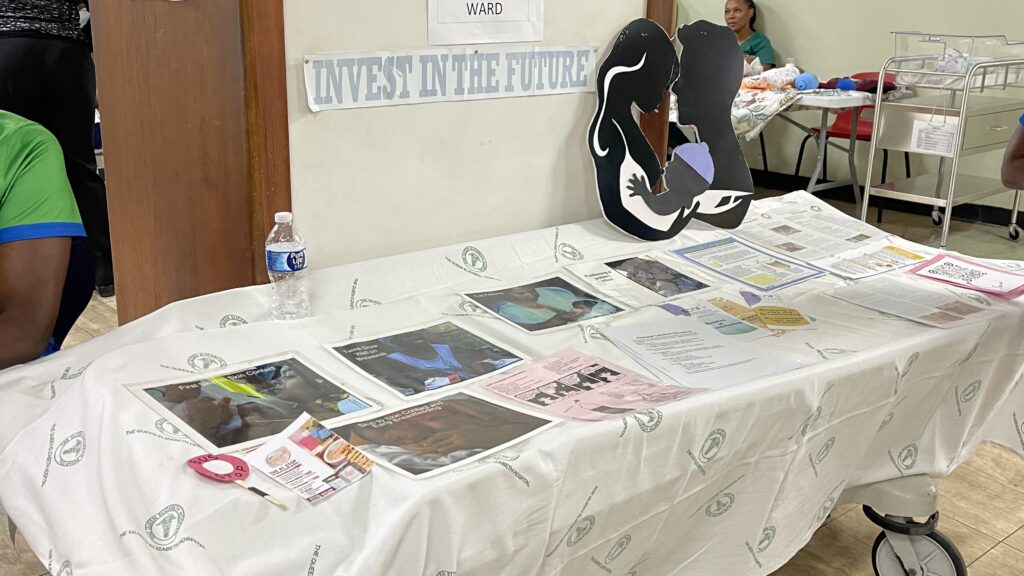
The concerns were raised as the Queen Elizabeth Hospital (QEH) organised a Breastfeeding Awareness Month pop-up booth on the hospital’s ground floor.
Healthcare professionals and breastfeeding advocates used the event to educate mothers, families and members of the public on the benefits of breastfeeding, while encouraging communities to provide greater support for nursing mothers.
Executive Director of the Breastfeeding and Child Nutrition Foundation (BCNF), Dr Allison Bernard, said research continues to show that returning to work remains the greatest obstacle to exclusive breastfeeding.
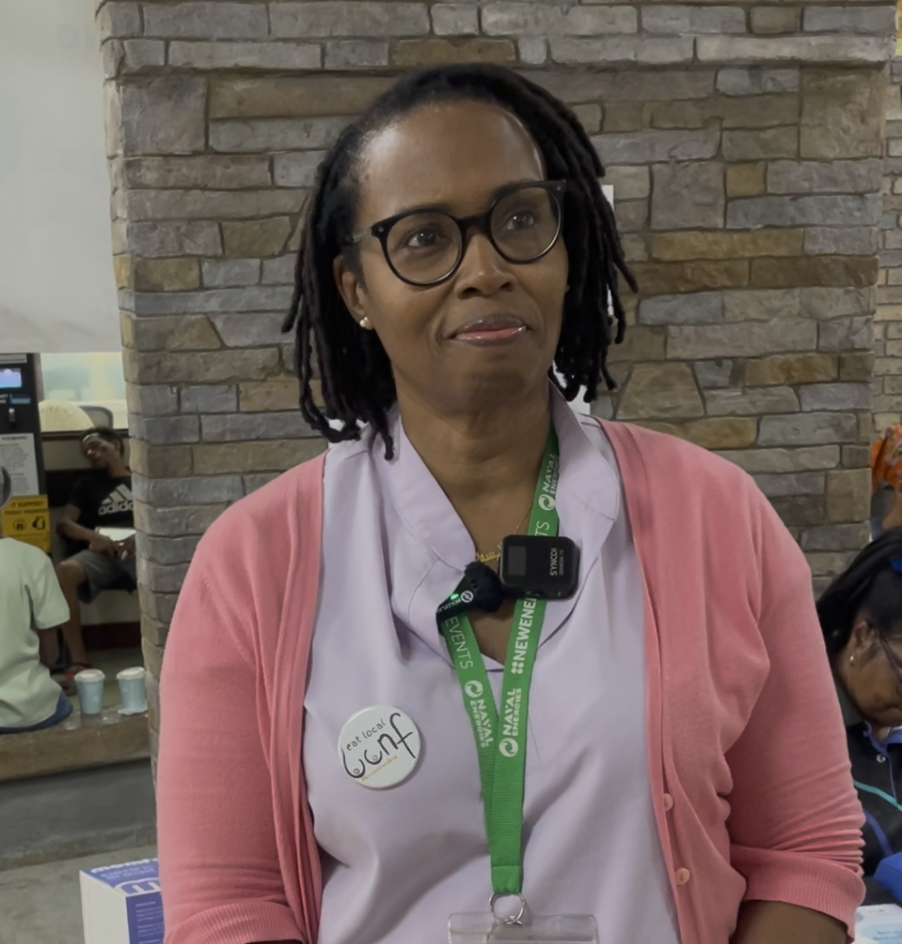
Executive Director of the Breastfeeding and Child Nutrition Foundation Dr Allison Bernard. (Photo credit: Lauryn Escamilla / Barbados TODAY)
“So, the major one that we’ve come across… it’s going back to work,” she said. “About 40 per cent of mothers in that study said that the reason why they did not continue exclusive breastfeeding was because they had to return to work at three months.”
While welcoming the extension of maternity leave from 12 to 14 weeks, Bernard questioned whether the additional two weeks would significantly improve breastfeeding rates.
Instead, she called for more breastfeeding-friendly workplaces.
“Let’s start talking about breastfeeding workplace policy. Let’s start talking about if they have to go back out to work at… 14 weeks, then let’s make the environment conducive to them continuing to pump their milk off. Let’s give them safe, hygienic spaces for them to pump their milk off.”
Some women continue to express milk in unsuitable conditions because appropriate facilities are unavailable:
“Some of the moms that I speak to actually don’t bother with it, and they actually go to the bathroom and squeeze their milk off.”
Bernard also expressed concern about Barbados’ breastfeeding rates.
While the average exclusive breastfeeding rate internationally is about 48 per cent, the Caribbean average is approximately 37 per cent. In Barbados, she noted that a University of the West Indies sample estimate suggests the figure is now around 15 per cent.
“For us, it’s like… we should be thinking about, what does this mean? Should we be concerned about breastfeeding in Barbados? And I do think it’s a little warning sign.”
Retired veteran midwife Betty Reid, who represented the BCNF, said many mothers discontinue breastfeeding because they “seem to think… that their breast does not produce enough milk”.
She explained that breast milk naturally increases as the baby grows, but some mothers turn to formula too quickly.
“Moms give up early because they don’t feel that the breast is producing enough milk and they think that switching to formula is faster.”
Reid added that pain caused by poor latching is another reason mothers become discouraged.
“If the baby is latched correctly, then there’s no pain… But that’s what discourages mom, the pain… and that’s only because it’s incorrectly latching onto the breast.”
Registered nurse and midwife Simone Richardson-Small, of the QEH labour ward, said first-time mothers often struggle in the early stages but should not become discouraged.
“Some of the biggest challenges… are first mothers. They might not always get the hang of it. But the idea is to stick to it and allow the midwife and other medical personnel to assist you where necessary. Over time you find that it has gotten easier.”
QEH registered nurse and midwife Shermena Kirton echoed the concerns about workplace and family support, saying both play a critical role in whether mothers continue breastfeeding.
“The biggest challenge… was that women stop breastfeeding and they go back to work.
“So the challenge is back to work… and supportive persons at home.”
She noted that many mothers are forced to return to work early because they need the income to care for their children, while some workplaces still do not provide suitable areas for expressing milk.
The booths featured displays from several QEH departments and supporting organisations, including information on breastfeeding techniques, expressing breast milk and kangaroo care.
The Breastfeeding Awareness Month activities continue with an educational breastfeeding seminar and awards ceremony on August19 at the QEH auditorium under the theme Breastfeeding: A Sustainable Start to Life, Strengthen.
(LE)
The post Mums face barriers to sustained breastfeeding, experts warn appeared first on Barbados Today.