by Dr Zhane Bridgeman-Maxwell
(The views expressed in this article are the author’s own and do not necessarily reflect the editorial stance of this publication.)
When a child walks into a classroom on an empty stomach, the primary challenge of the day is to overcome the physical distraction of hunger. The human brain consumes roughly twenty per cent of the body’s energy, and for a developing child, missing the morning meal can translate directly into reduced attention span, impaired memory and lower cognitive endurance. No matter how brilliant the curriculum or how dedicated the educator, learning simply cannot take place when a child’s basic physiological needs are unmet.
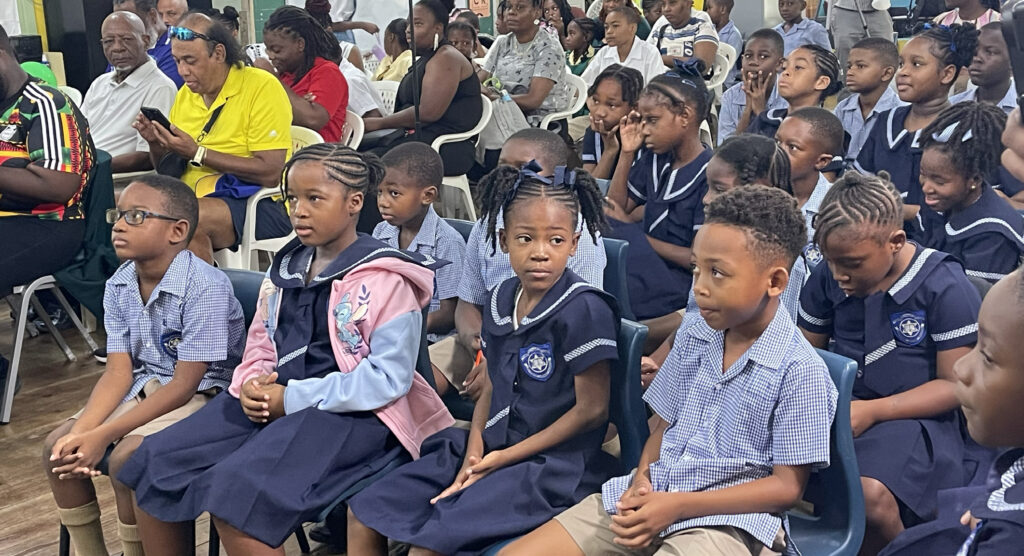
The full rollout of the National School Breakfast Programme by the Ministry of Education Transformation is therefore a major victory for public education in Barbados.
Providing free morning meals to nursery and primary school students across the island addresses a fundamental barrier to learning.
Nutrition is a direct prerequisite for effective teaching and student performance.
From a socio-economic perspective, this initiative serves as a powerful equaliser.
Educational equity is often discussed in terms of access to textbooks, digital devices or upgraded facilities, yet physical wellbeing remains the true baseline of student potential. When every child, regardless of household background or family income, starts the morning with proper nourishment, the playing field inside the classroom becomes significantly more even. Furthermore, when such a programme is universally accessible, it eliminates the social stigma often associated with state food assistance. Bajans across all communities should be actively encouraged to utilise this provision, recognising it as a vital investment in our children’s collective development.
However, moving a transformative policy from an announcement to daily execution in dozens of schools requires looking candidly at implementation. Applauding the ministry for taking this step does not mean ignoring the practical realities of large-scale social programmes. If we want this initiative to achieve its maximum potential, several operational factors warrant careful, ongoing scrutiny.
Nutritional quality vs mass production
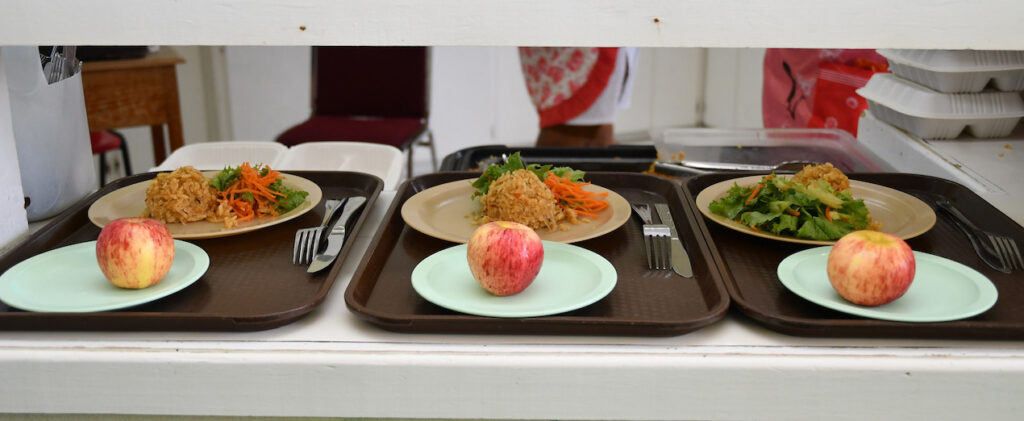
The first and perhaps most critical consideration is nutritional balance. Massproducing thousands of meals daily creates an inherent operational pressure to choose convenience, shelf-stability and speed over optimal nutrition. It is remarkably easy for large-scale catering operations to rely on heavily processed staples or ultrapalatable, high-carbohydrate options that satisfy immediate hunger but fail to provide sustained energy. A breakfast dominated by refined sugars and simple starches might fill a stomach, but it inevitably leads to a mid-morning glucose crash, leaving students sluggish and unfocused just hours later.
For this programme to succeed, meals must consistently deliver complex carbohydrates, lean proteins and essential micronutrients.
Serving fresh, high-quality, whole food on a national scale undoubtedly carries a higher per-unit cost than relying on cheap processed alternatives. This reality reinforces why strong local farm partnerships and secure, protected funding are non-negotiable prerequisites
This issue ties directly into a broader national conversation around school health.
The Ministry of Education Transformation has already introduced the National School Nutrition Policy alongside an approved snack list to guide healthier choices in schools.
While these measures represent commendable progress, a closer examination of the approved guidelines reveals a lingering challenge: our collective understanding of food packaging and modern food manufacturing.
Many products marketed as “healthy” or “fortified” often mask high levels of hidden sugars, sodium and artificial additives behind clever labelling. Looking closely at quite a few of these approved options suggests that we, as a system, are still learning how to properly decode nutrition labels and see past corporate marketing tricks. While a deeper critique of the national snack list is a story for another time, it highlights a crucial lesson for the breakfast programme itself: compliance with a written policy is not enough if the policy itself relies on outdated definitions of what constitutes healthy food.
To ensure transparency, the programme should incorporate independent oversight from clinical nutritionists and publicly post weekly menus for community review. The breakfast menu should adhere to a strict standard of genuine whole-food nutrition rather than simply checking a box on an administrative list.
Supply chains and local agriculture
Beyond the plate, the logistical engine driving the programme requires continuous evaluation. Sourcing ingredients on a national scale demands a resilient supply chain. This presents a prime opportunity to establish strong, direct partnerships with local farmers and agricultural co-operatives. Feeding our children fresh, locally grown produce not only enhances meal quality and reduces reliance on imported processed goods, but it also reinvests public funds back into the Barbadian economy. Ensuring that supply chains run smoothly without unexpected shortages or quality drops will be essential to maintaining daily meal delivery across every parish.
Palates, consumption patterns and household dynamics
Servicing thousands of young children means navigating diverse tastes, preferences and dietary restrictions. A meal programme is only as effective as the food that is actually consumed. Monitoring student feedback, tracking consumption patterns and adapting menus dynamically will be necessary to prevent widespread food waste. If children consistently reject certain items, the programme must be agile enough to adjust offerings rather than allowing public funds to end up in disposal bins.
Beyond menu adjustments, a crucial operational question must be answered: What happens to the unserved, safe food left over at the end of the morning? In a society where vulnerable community members and unhoused individuals face daily food insecurity, allowing surplus nutritious food to go to waste would be a missed opportunity for broader social good. Establishing clear, safe logistics for surplus redistribution, partnering with local shelters, community organisations, and food banks, ensures that every meal prepared serves a purpose, even when student demand fluctuates.
Crucially, however, school menus do not operate in a vacuum. A child’s palate, food preferences and dietary habits are shaped heavily by daily exposure at home. If children are unaccustomed to whole foods, they are far more likely to reject nutritious options offered in the morning. Parents can actively support this national health shift through habit formation and encouragement: limiting sugary beverages where possible, introducing diverse flavours when feasible and encouraging children to embrace the new, wholesome options provided at school. School meals can provide the baseline, but true, lasting dietary transformation requires a supportive partnership between the home and the school cafeteria.
Long-term budgetary resilience
Finally, large-scale social interventions require long-term financial safeguarding.
Economic conditions fluctuate, but a child’s need for daily nutrition does not. Protecting the National School Breakfast Programme’s budget from future fiscal cuts or administrative shifts is paramount. It must be treated as a permanent, non-negotiable pillar of national educational infrastructure.
Investing in student nutrition yields dividends that extend far beyond test scores, shaping classroom focus, health, and lifelong habits. By celebrating this bold initiative while insisting on meal quality, community redistribution, and home-school alignment, Barbados can transform a simple morning meal into a powerful engine for national educational success.
Dr Zhane Bridgeman-Maxwell is a science educator, researcher, writer and disruptor of outdated education systems in Barbados. Focused on redesigning learning through policy shifts, change management and pedagogical innovation, she amplifies the voices of students, teachers, and parents, while reimagining what school can and should be.
The post National school nutrition in Barbados appeared first on Barbados Today.