There was a time when catching your favourite song took patience.
You waited for it to come on the radio and, if you wanted to hear it again without waiting for the DJ to play it, kept a blank cassette nearby and hoped you pressed ‘record’ in time.
Mahalia Cummins remembers doing just that. She stayed up late recording songs from the radio, bought CDs from Number One Record Shop in Cave Shepherd and later purchased music digitally through iTunes.

“Back in the day, when you had to essentially go and buy a physical copy of the music… you would cherish [it] because it was now yours. You owned it,” she recalled.
Cummins’ musical journey from radio and cassettes to CDs, downloads and streaming mirrors the transformation in how Barbadians have discovered and consumed music over the past six decades. It is a transformation Barbados TODAY is exploring through BIM@60, as the country marks 60 years of Independence.
So what is BIM@60?
BIM@60 is a national initiative of the Barbados Museum & Historical Society, in partnership with the National Cultural Foundation, marking Barbados’ 60th anniversary of Independence through music.
At its heart is a simple question: What are the songs that have helped tell the story of Barbados? The Museum began with a curated list of more than 300 songs, some added in response to public feedback during 60 days of radio and television promotion. It is asking Barbadians at home and across the diaspora to select 60 songs from that list that will define us.
But BIM@60 is not intended to be simply another greatest-song countdown. It considers music part of the record of who we are, capturing our experiences, celebrations, struggles and creativity, as well as the ways Barbados has changed over time. Understanding that musical record also means looking at how songs reached audiences and how the power to make a song popular has shifted across six decades.
In the 1960s and 70s, radio, records, DJs, dances and live performances were among the main ways new music travelled. They carried the sounds of Jackie Opel, The Merrymen, Sing Out Barbados and, later, calypsonians who turned everyday Barbadian life into social and political commentary.
Those avenues never disappeared, but they no longer have the audience to themselves.
A song released today can turn up in a WhatsApp chat, find its way onto a streaming playlist and be attached to hundreds of Reels or TikTok videos before traditional radio ever gives it a spin. Listeners who once waited for someone else to play the music can now search for it, replay it, share it and sometimes help propel it.
So who decides when a Bajan song becomes a hit now?
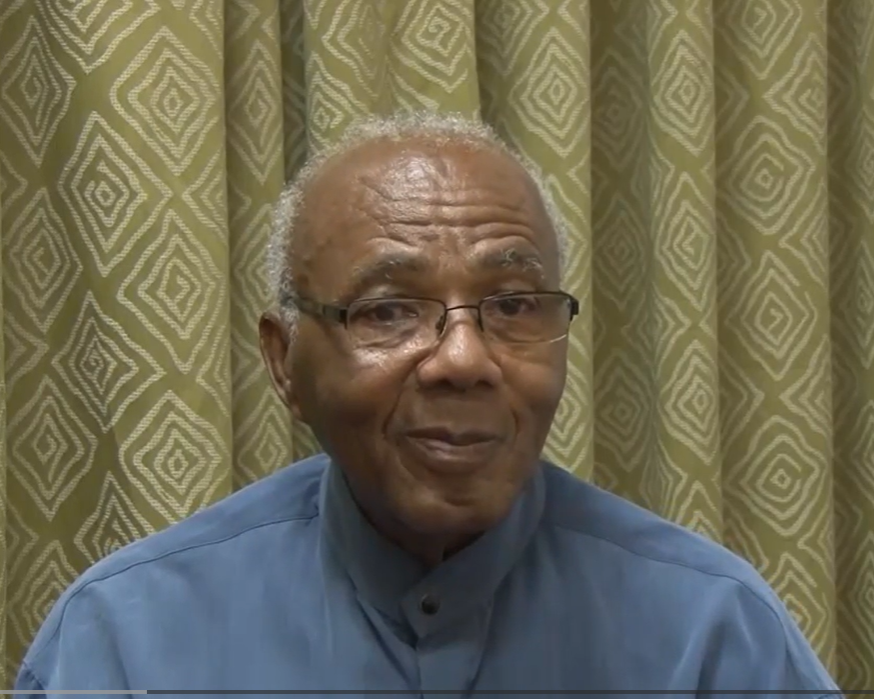
Veteran producer Nicolas Brancker has another question: What exactly are we calling a hit?
He considers the distinction important in an era when online attention can make a song appear to be everywhere almost overnight.
“I do think we should make a distinction between popular songs based on hype and actual bona fide hits,” he said.
“Some songs are gimmicks, novelties that generate interest, hype and attention but no real economic activity, they are not hits. They are popular.”
Brancker, whose credits include music by Krosfyah, Rupee, Alison Hinds, Square One, RPB and AC, has watched the recording process move from an era of Rediffusion and CBC live recordings, through multitrack studios and into one where a microphone, interface and computer can effectively put a studio almost anywhere.
What none of that technology can do, he argued, is guarantee the outcome.
“No one goes into the studio or [uses a] computer to make hits,” Brancker said. “They may want to or even think that they are but they just can’t know. They can make the best thing they think they can make at the time and see what happens.”
A genuine hit, in his view, proves itself over time. It travels across countries and demographics and generates commercial value for the owners of the copyright and master.
The path to getting there, however, has changed considerably.
Brancker believes “a combination of algorithms and audience engagement” now influences the popularity of some music, giving listeners a role once held much more heavily by traditional gatekeepers.
Industry player Paul Husbands has watched that influence grow alongside the technology that gave listeners more control.

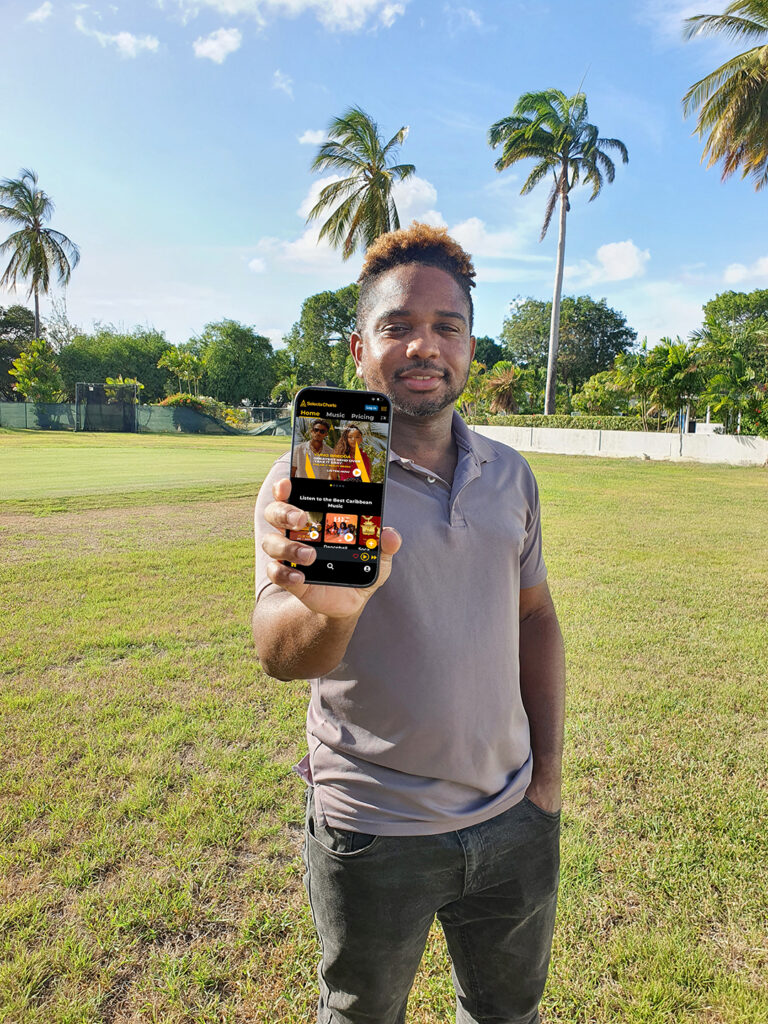
Selecta Charts founder Paul Husbands
When the founder of regional music platform Selecta Charts began developing the idea in 2011, CDs were still an important means of distributing music. By the platform’s 2017 launch, he was encouraging local artistes to recognise where the industry was heading: streaming.
“Back in the day when you wanted to listen to music… you had to listen to it on the radio or even on TV. So, you had to wait for your favourite song to come out,” Husbands said.
“With the advent of streaming platforms, you could go and listen to your favourite song on demand. So you can go and hit replay on all your favourite songs all day long.”
Social media went a step further. It did not simply give listeners control over when they heard music; it gave them the ability to help spread it.
“Right now, social media is where music blows up first,” Husbands said.
He pointed to 2026 breakout artiste Lastacia as an example. A TikTok video in which she spoke about her relationship went viral, drawing significant attention to her. She then used that moment to push Active, which Husbands noted was already a two-year-old song.
“She walked into [her success],” he said.
“It was not even an intention because she had made a video speaking about her man [on TikTok] and it went completely viral and so many eyes were on her.”
The song was not new. The audience was.
But attention is only the beginning. A song may land on thousands of screens and still fail to connect.
Radio personality Astra Babb believes relatability remains one of the things that separates music people encounter from music they embrace.

Screenshot
“Whether it’s about relationship issues, work problems, money problems, releasing stress, we want to see ourselves in the song,” she said.
Babb referred to bashment soca, which she believes has found strong local and regional appeal partly because it offers an escape.
“There’s a lot going on in the world right now, and people are carrying enough already. So when they get the chance to put on music, they want to forget about all of that for a little while.”
The genre also fits easily into a social media culture where listeners are no longer passive. They dance, create content, quote lyrics, share tracks and join whatever moment is building around a song.
“They’re finding it themselves and, in many cases, helping decide what becomes popular,” Babb said.
That has changed radio’s position, but not erased it.
“Social media can create the buzz; radio can amplify it and keep that song in people’s ears.”
The DJ has not disappeared from that equation either.
Cummins believes repeated exposure in the fête can still turn a song into something audiences claim as a hit.
“If you go to 17 fêtes at Crop Over and somebody plays the same song all the time, at some point it got to be considered a hit, right?”
Even that leaves room for argument. A song barely known to mainstream radio listeners, she noted, may already be regarded as a hit within an underground music community.
Six decades ago, the routes through which music travelled were fewer and easier to trace. Today, a song can move from studio to phone, phone to friend, Reel to fête, fête to radio or take another route entirely.
There may no longer be one person or platform with the power to declare a Bajan hit.
And while the industry continues to navigate that reality, another change is already under way.
Generative artificial intelligence is entering both music discovery and creation. Cummins hopes it remains in the hands of music makers as a tool rather than becoming a substitute for the human experience behind the art.
“My hope is that if we can’t get away from using AI, generative AI specifically, that it’s used by the artistes and people making music, the music makers, as a tool to assist the art, the organic art of song making,” she said.
“If AI is now encroaching on the process of making art… and taking the creativity and the human experience out of it then to me that’s a problem.”
The cassette gave way to the CD, and the CD to downloads and streaming. Radio now shares the audience with playlists, WhatsApp, algorithms and reels. What comes next is anybody’s guess.
Cummins is more certain about the music.
“Music is the universal language for a reason. It existed from the dawn of time and I think it will exist way past AI.”
That lasting connection between music, memory and identity is at the heart of BIM@60. As Barbados reflects on its journey since Independence, the public has until October 15 to help select the 60 songs that best tell the nation’s story.
To take part, visit the Barbados Museum & Historical Society website and click “Learn more” on the landing page. Log in using your Facebook, Google or LinkedIn account to explore the curated list and vote. You may select up to 10 songs across the categories and revise your choices before voting closes.
Join the conversation, share your musical memories and encourage family and friends, at home and across the diaspora, to help shape Barbados’ soundtrack.
BIM@60: 60 Years. 60 Songs. One Nation’s Soundtrack.
(LM)
The post Radio to Reels: Who Decides What’s a Hit Today? appeared first on Barbados Today.