
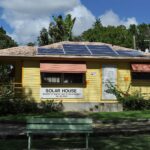
Imagine a Barbados where clean energy powers homes and businesses around the clock, even after the sun goes down. While solar energy has become a familiar sight across the island, achieving a truly renewable future requires more than sunshine alone. The proposed Lamberts & Castle Wind Project, combined with battery storage technology, could be a game-changer for Barbados’ energy sector. Together, wind turbines and batteries can help keep electricity flowing when solar panels are not producing power, making the grid more reliable and resilient. In this the first edition of a five-part series , we explore how these technologies can work together to help secure a cleaner energy future for Barbados.
Q: What exactly is the Lamberts & Castle Wind Project?
A: Think of it as Barbados’ next big step in renewable energy. The project will be the island’s first utility-scale wind farm, using wind turbines to generate clean electricity. By harnessing one of Barbados’ natural resources, the project can help reduce our dependence on imported fossil fuels while supporting national renewable energy targets.
Q: If we already have solar power, why do we need wind energy too?
A: Solar power does a great job during daylight hours, but once the sun sets, solar panels stop producing electricity. That’s where wind energy comes in. Winds are often strongest in the late afternoon, evening and overnight periods, helping to fill the gap when solar generation decreases. Together, solar and wind create a stronger, more balanced renewable energy system.
Q: Experts keep talking about the “grid-storage dilemma.” What does that mean?
A: In simple terms, electricity must be used the moment it is produced. The challenge is that renewable energy generation can change throughout the day depending on sunshine and wind conditions. Sometimes there is more energy available than needed, and at other times demand is higher than production. Managing those ups and downs while keeping the lights on is what energy experts refer to as the grid-storage dilemma.
Q: What is a Battery Energy Storage System, or BESS?
A: BESS is essentially a giant rechargeable battery for the electricity grid. When renewable energy production is high, the battery stores excess electricity. When demand increases or renewable energy output drops, the stored energy can be released back into the grid. It’s a bit like saving water in a tank during a rainy day and using it later when you need it.
Q: How will battery storage benefit everyday Barbadians?
A: Battery storage helps make renewable energy more reliable. Instead of wasting excess electricity produced on particularly sunny or windy days, that energy can be stored for later use. This improves grid stability, reduces reliance on fossil-fuel-powered generation during peak demand periods, and supports a more efficient electricity system for everyone.
Q: So how do wind turbines, solar panels and batteries work together?
A: The easiest way to think about it is as a team effort. Solar panels generate electricity during the day. Wind turbines can continue generating energy into the evening and at night. Batteries then act as the backup player, storing excess energy and delivering it whenever it is needed. Together, they create a cleaner, more dependable energy system capable of helping Barbados move closer to its goal of a sustainable energy future.
Expert’s Take
“There is no single technology that can deliver a 100% renewable future on its own. Solar, wind and battery storage each have a role to play. When combined, they create a stronger, smarter and more resilient electricity system for Barbados.”
Pick up your copy of the Sunday Sun at newsstands and vendors islandwide.
The post Harnessing Energy Advancing Resilient Development: How Barbados Can Store Sunshine, Capture Breezes and Power the Future appeared first on nationnews.com.