More than four in ten Barbadian adults have no formal certification, prompting the ministries of labour and education to team up on a comprehensive national adult literacy strategy, amid concerns that low literacy levels are limiting access to training and employment.
Minister of Education Transformation Chad Blackman highlighted the high percentage of adults with no formal certification and the challenges they face due to poor literacy skills at House Estimates on the Ministry of Labour’s appropriations.
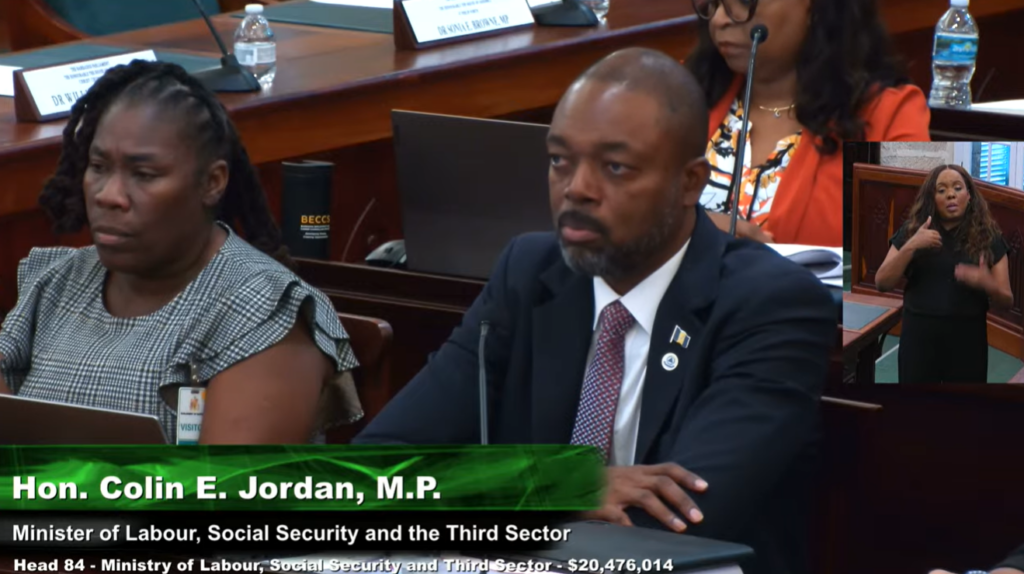
Minister of Labour Colin Jordan told the House: “We recognise the challenge that people have. We also come face-to-face with the fact that adults have certain sensitivities that must be recognised… we have, over the past, I would say maybe about six months, established a very good working relationship with the Ministry of Technological and Vocational Training. We’ve done some work together with respect to apprenticeships.”
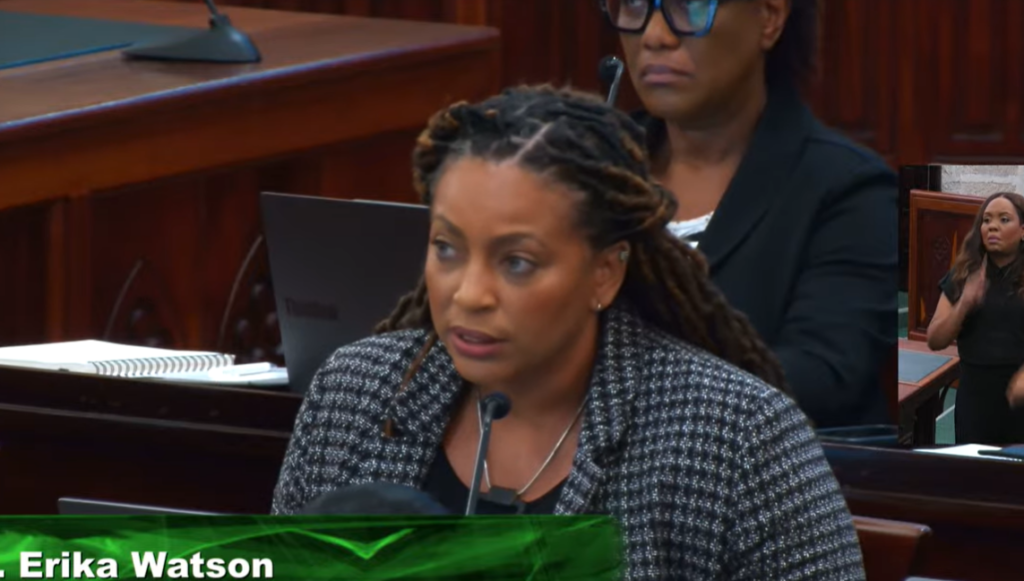
Acknowledging that over 40 per cent of adults have no formal certification, Ministry of Labour programme manager Erika Watson told lawmakers of a national strategic plan.
She said: “Our focus has been on developing a national strategy, and the reason why we focus on the planning and so on is because we recognise there are many stakeholders that will be involved in addressing adult literacy, and we need to have something that pulls them all together and facilitates the necessary coordination.”
The plan will inform their programme as much as it will guide collaboration with other ministries, she added..
“The reality is from labour’s perspective, we’re looking at functional literacy and the ability to have those skills that are needed to really capitalise on the opportunities in the labour market, to be effective in the workplace and to really realise their full potential in terms of having the necessary skills.”
Labour minister Jordan stressed the need to strengthen partnerships and proposed the establishment of skills sector councils to guide workforce development in priority sectors.
He said: “We have noted the areas in the manifesto, there are a number of areas in the manifesto with respect to life sciences, pharmaceuticals, a number of areas identified there. But we recognise that we have to do a little better, and we thought that we would bring together persons from various areas into what we refer to as skills councils, and we are in the process of establishing the first one in renewable energy. We realise though, that we have to do it in other areas.”
He revealed an agenda to set up at least four councils this year covering renewable energy, construction, tourism, and information technology services.
Watson elaborated on how the councils will function: “This is going to provide a mechanism where we have, led by the private sector, those industry leaders and the identified target, priority area sectors. What are the future developments, what are the recent trends, where are there gaps in terms of the skills, potential opportunities that will emerge…and still on top of that, that will then inform education and training. It will inform our career guidance work, employment promotion, how we can facilitate the employment of these persons and so on. So that is another level of consultation that will facilitate us.”
Jordan acknowledged that the ministry has not fully utilised resources from the International Labour Organisation (ILO).
“In spite of the significant engagement we have had over the years with the ILO, we have not made as full a use of the resources as we could have, and we determined that we would use those resources in a much more effective way to make sure that the international resources, that we make use of them.”
The post As four in ten adults ‘lack certification’, ministries to join literacy strategy appeared first on Barbados Today.