
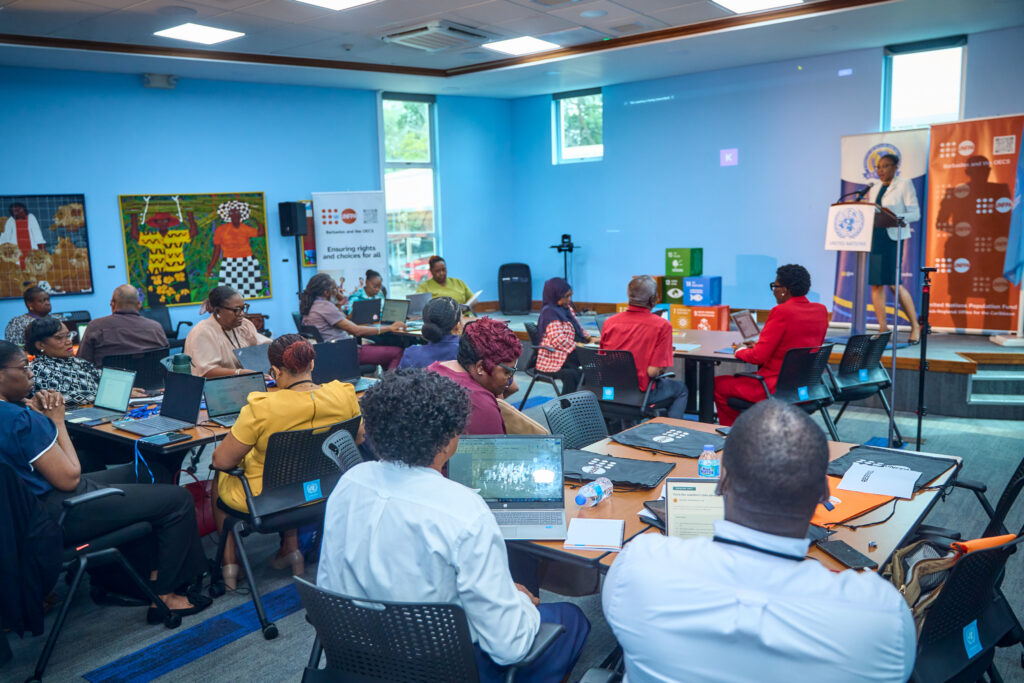
Health officials, emergency responders and representatives from key agencies are taking steps to ensure essential sexual and reproductive health services remain available during emergencies through a new national readiness assessment led by the United Nations Population Fund (UNFPA) and the Ministry of Health and Wellness.
Officials gathered at United Nations House in Hastings on Monday for the opening of the two-day Minimum Initial Service Package (MISP) Readiness Assessment and Action Planning Workshop. The initiative will assess the country’s preparedness to deliver life-saving reproductive health services during disasters, identify existing gaps and develop a national action plan to strengthen coordination and response.
Chief Medical Officer Dr Kenneth George told workshop’s launch that while Barbados has avoided a major humanitarian crisis in recent years, it cannot afford to become complacent.
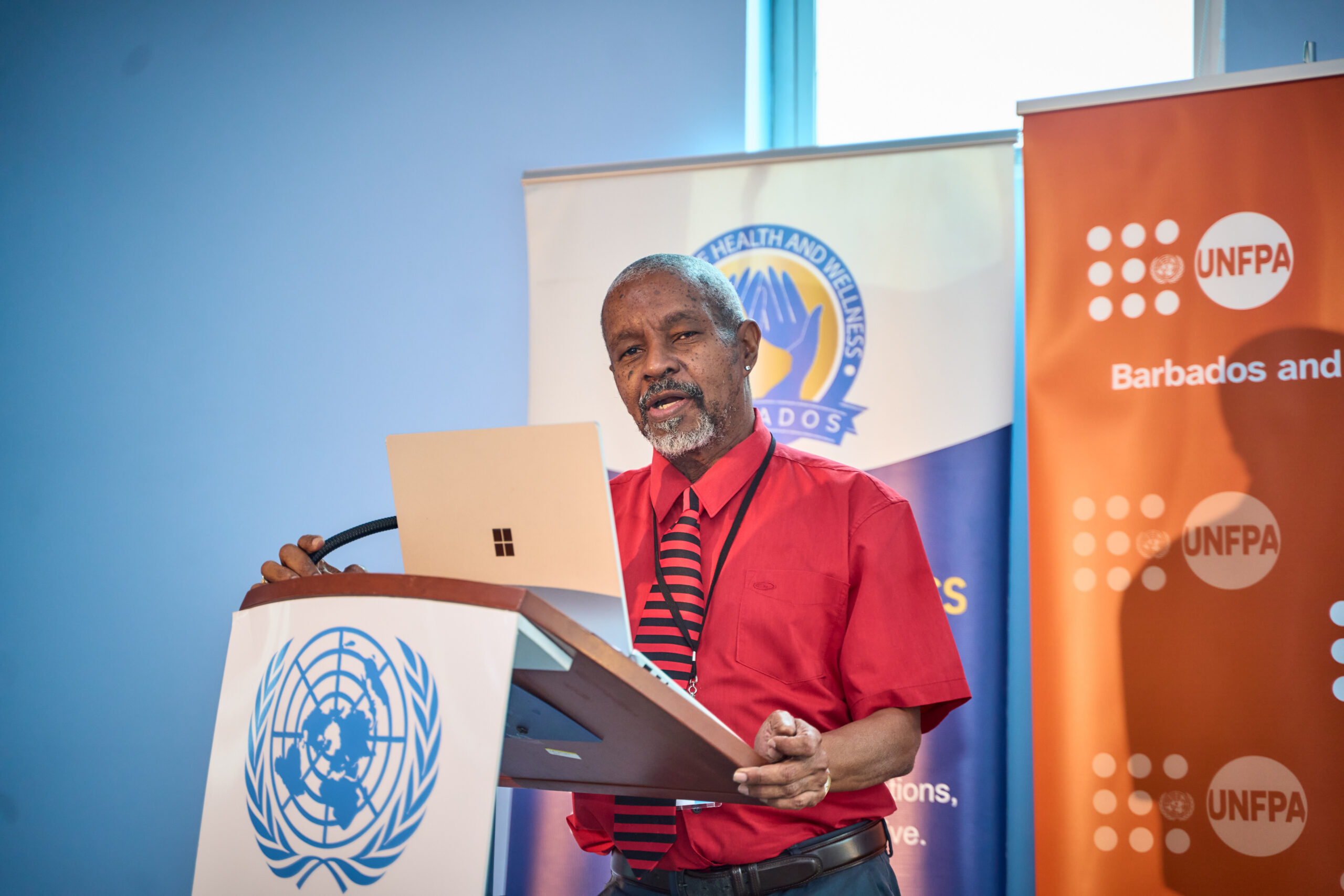
Chief Medical Officer Dr Kenneth George. (Photo Credit: Shamar Blunt/BarbadosTODAY)
He said: “Disasters can happen anywhere, even here in Barbados. In fact, we have not experienced any major recent humanitarian crisis. But that does not justify complacency. If anything, it requires greater vigilance and preparedness.”
Pointing to growing global instability and regional challenges, including the situation in Venezuela, Dr George stressed that humanitarian emergencies can develop rapidly.
He said that although food, shelter and water are immediate priorities after disasters, sexual and reproductive health services must not be overlooked.
“Consider the pregnant woman in labour or the young girl seeking safety from gender-based violence in an overcrowded shelter. Sexual and reproductive health is not a luxury in a crisis. It is a life-saving priority and a core human right.”
The World Health Organisation estimates that two-thirds of preventable maternal deaths and 45 per cent of newborn deaths occur in countries affected by conflict or disasters. Dr George noted that UNFPA has demonstrated that timely, prioritised sexual and reproductive health services help prevent deaths, reduce disability, lower the risk of unintended pregnancies and address gender-based violence and other reproductive health challenges.
“Progress in maternal and child health can be undone in the blink of an eye without a coordinated multi-sectoral preparedness response,” he said, describing the workshop as critical to safeguarding those gains.
UNFPA Liaison Officer for Barbados and the Organisation of Eastern Caribbean States (OECS), De-Jane Gibbons, said emergencies often heighten the risk of sexual violence and unintended pregnancies, making preparedness essential.
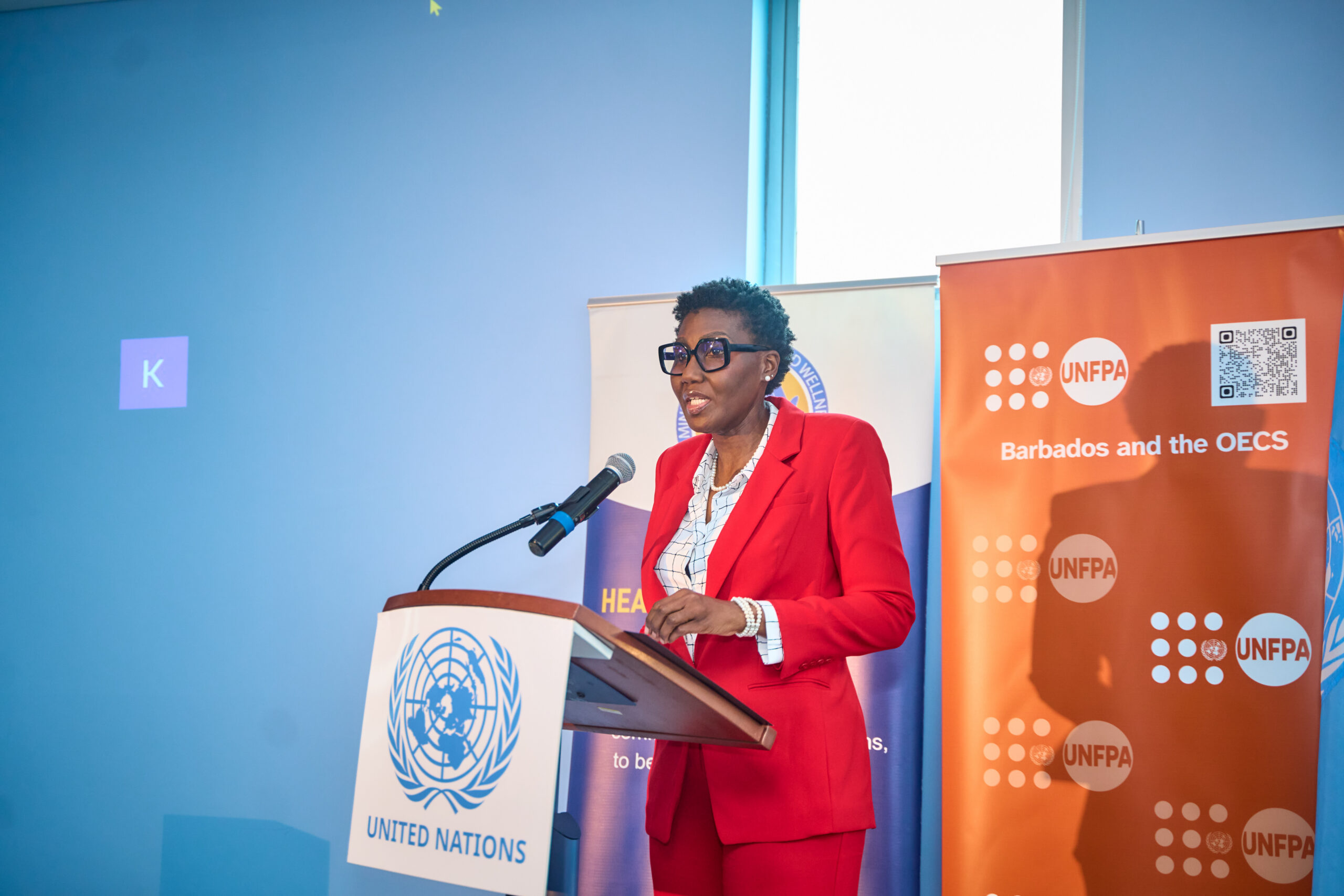
UNFPA Liaison Officer for Barbados and the Organisation of Eastern Caribbean States (OECS), De-Jane Gibbons. (Photo Credit: Shamar Blunt/BarbadosTODAY)
“It is our collective responsibility to ensure that childbirth does not become a life-threatening event simply because of conditions or a lack of supplies,” she said.
The first day of the workshop would focus on assessing Barbados’ current capacities, services and coordination mechanisms while identifying weaknesses. On the second day, participants will use those findings to develop country-specific action plans through scenario-based exercises that test national response capabilities and identify the resources required.
She said successful implementation would require close collaboration among the Queen Elizabeth Hospital, polyclinics, the Bureau of Gender Affairs, the Department of Emergency Management, the Caribbean Disaster Emergency Management Agency (CDEMA), and other regional partners to ensure that vulnerable populations continue to receive essential care during times of crisis.
(SB)
The post Authorities to ensure reproductive health care continuity during emergencies appeared first on Barbados Today.