What to know:
- Finance minister warns of possible worldwide recession if oil prices surge
- Temporary cost-of-living measures cannot shield Barbados alone – minister
- Straughn urges energy conservation, including carpooling, support for domestic food production
- Speculation places oil as high as US$200 (BDS$400) per barrel
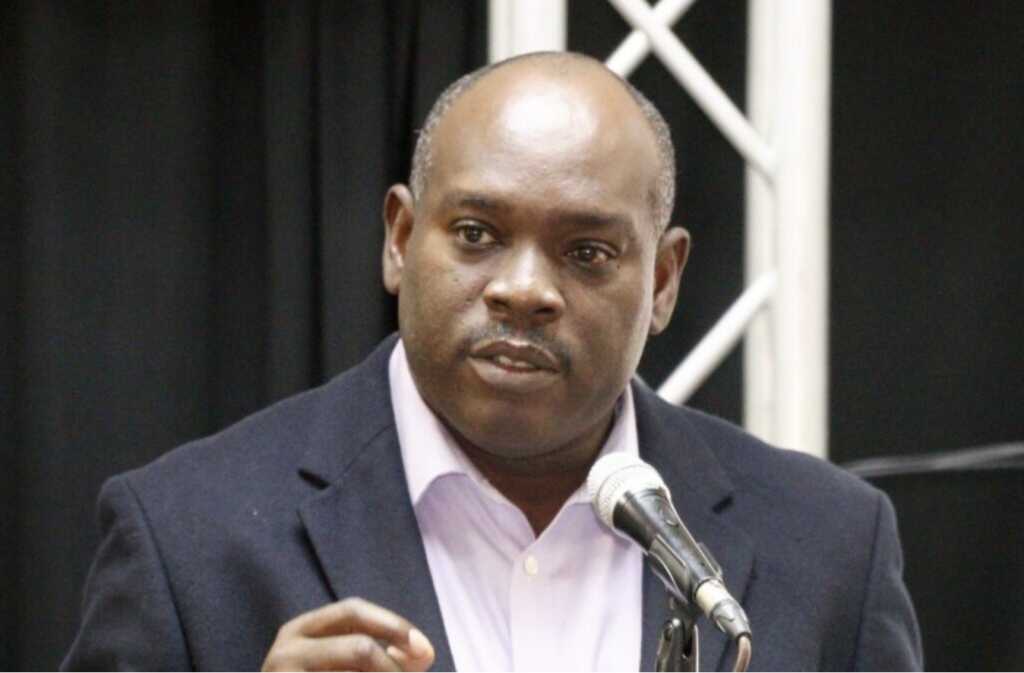
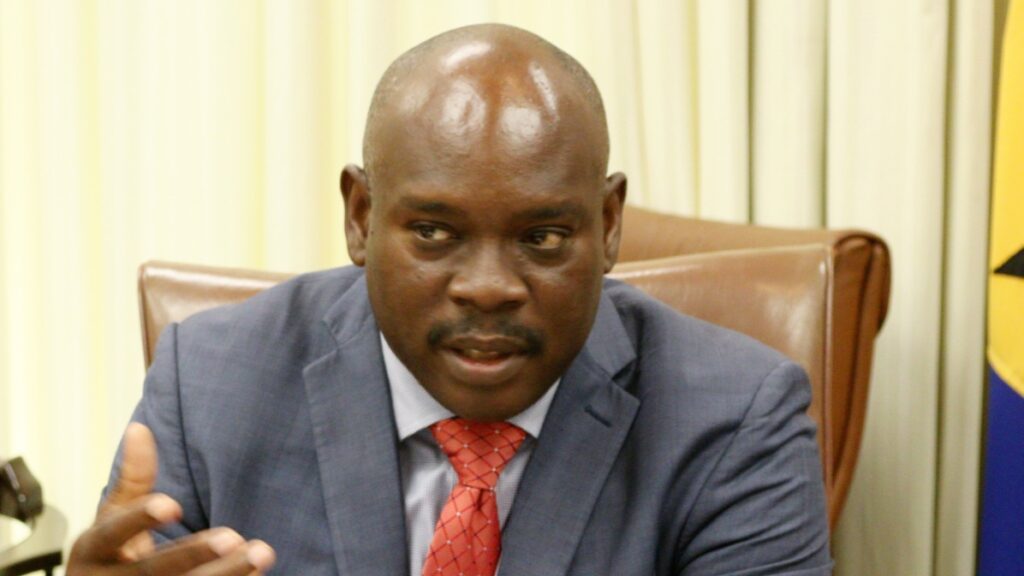
Barbadians were Monday urged to prepare for the possibility of a global recession if surging oil prices continue, with finance minister Ryan Straughn warning that the scale of such a shock could exceed its fiscal capacity to respond.
Budget measures announced to cushion rising energy costs were only temporary protections and would require cooperation from households and businesses to be effective, Straughn said, as he delivered the national budget in the House of Assembly.
“These measures that we have taken only buy us time, they are not permanent,” Straughn said. “They are the protection for the period of the crisis and their effectiveness depends in part on how each of us changes how we use energy.”
He warned that speculation about global oil prices ranges widely, with some analysts suggesting prices could climb anywhere between US$150 (BDS$300) and US$200 (BDS$400) per barrel if geopolitical tensions intensify.
“No matter how you look at it… if any of these scenarios materialise, the world, which includes Barbados, will likely go into recession,” he said.
Straughn stressed that the scale of such a shock would exceed the fiscal capacity of the government alone.
“Let me say this clearly for Barbadians up front: there’s no fiscal response the Government of Barbados could undertake on its own to absorb the impact if any of these scenarios played out. The mathematics just doesn’t work.”
Instead, he said, the adjustment would require changes in behaviour across the entire society, including Government, households and the private sector.
As part of that effort, the minister urged Barbadians to take simple steps to reduce fuel and electricity consumption.
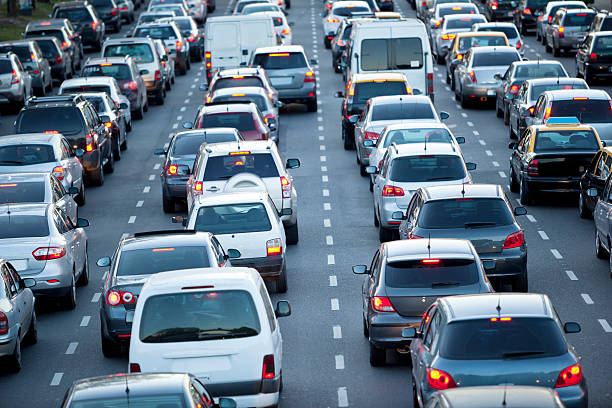
“If you can carpool, please do. If you can combine your errands into one trip, do that too,” he said, also encouraging the public to avoid unnecessary driving during peak hours and to use public transportation where practical.
“When it comes to electricity usage, switch off the lights and the appliances when you’re not using them,” Straughn said, suggesting the installation of solar lighting where possible.
He also advised Barbadians to manage air conditioning use carefully, recommending that units be set between 24 and 25 degrees Celsius.
Businesses were urged to adopt solar lighting where possible, reduce cooling after business hours and review refrigeration systems to eliminate unnecessary energy use.
“Please audit your refrigeration and cooling systems, identify where you are wasting energy and fix it,” Straughn said, adding that companies that reduce their energy footprint now will be “more competitive when prices normalise.”
He also highlighted the link between rising oil prices and food costs, noting that higher energy prices increase fertiliser and freight costs and ultimately push up grocery bills.
“Support our farmers and buy local where you can,” he urged, encouraging Barbadians to start kitchen gardens if they have space.
“If you think you don’t have space, you might consider buckets or barrels or grow bags,” he said, also suggesting that households learn to produce their own compost and fertiliser.
“Every dollar kept in the local food economy is a dollar that does not depend on imported fuel to reach our table.”
Straughn noted that Barbados spent $519 million on fuel imports in 2020, even during the height of pandemic lockdowns when economic activity and travel were sharply reduced.
How the country responds collectively to the current crisis, he said, will determine its impact.
“For decades, the most important component of energy in our economy has been the price of oil,” Straughn said. “It flows through every artery in the economy… all production of goods and services requires inputs that are in some way influenced by rising prices.”
Despite the risks, the minister expressed confidence that the country could weather the crisis through cooperation.
“My grandmother always told me that God helps those who help themselves,” he said. “Barbados will make it once we come together and work together to achieve our collective goals.” (TD)
The post Bajans told brace for global recession risk appeared first on Barbados Today.