
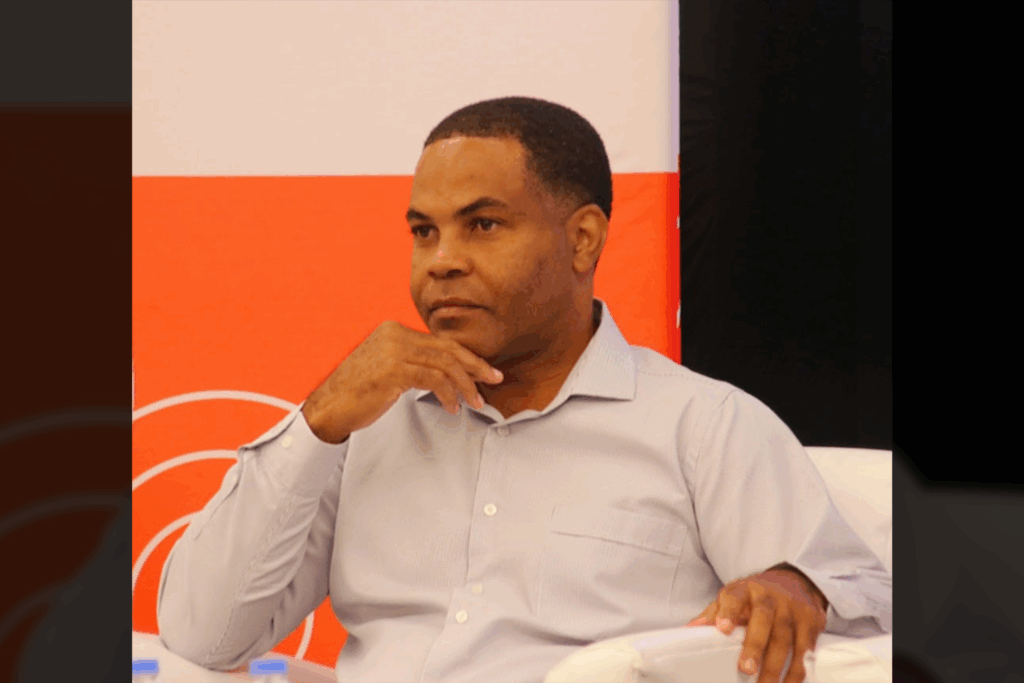
Amid rising tensions in the Middle East following the outbreak of war in Iran, a University of the West Indies economist is warning Barbadians to brace for potentially severe economic fallout.
Dr Antonio Alleyne told Barbados TODAY the island must prepare for significant external shocks, particularly if the conflict, triggered by a barrage of missile attacks and bombings by the US and Israel, becomes prolonged.
“What we need to really brace ourselves for is the actual shock,” Dr Alleyne said. “I’m hoping it isn’t as bad, but I’m thinking it’s probably gonna be worse… what they also said is that it [could] run on longer than I expected.”
He pointed to early projections that crude oil prices could climb to US$100 ($200) per barrel, but cautioned that prices could go much higher if the crisis drags on.
He said: “There were some predictions in terms of crude oil prices being raised to over $100 or about $100 per barrel. I am predicting that if the crisis continues beyond what they thought it would have been, it is gonna be well beyond $100 and that’s gonna be a crucial shock for us.”
While Barbados would not immediately experience a dramatic spike in fuel prices — since the island typically purchases oil months in advance — Alleyne said a sustained conflict would inevitably adversely affect consumers.
“We are gonna see a vast difference in terms of pricing. People are already hiking prices, but the prices went up by two cents or something like that… that’s no real hike. A hike is when a barrel of oil goes up now from say $2.50 to $3 per gallon, $3 something per gallon. These are the prices that we have to worry about.”
Higher oil prices would have a cascading impact across the economy, he explained, particularly in transport and tourism.
“When we’re talking oil, they just oil, we got to talk transportation,” said the UWI economist. “We’ve already seen that every sort of disruption that happened recently in the last few years with the US that affects anything to do with oil or anything to do with transportation has a tremendous effect on Barbados. So that’s like a double whammy there.”
He warned that rising costs could gravely hamper travel demand as consumers in key source markets pull back on discretionary spending.
“Our tourism sector from both angles, cruise tourism and long-stay arrivals will take a hit. Whether it’s significant, it will depend on the protracted time frame of the conflict. That is a very big thing for us because we are significantly dependent on tourism and there’s no ifs and buts about it.”
Dr Alleyne also raised concerns about what he described as an “import squeeze”, arguing that retailers often raise prices in anticipation of higher costs, even before new, more expensive shipments arrive.
“Whenever there’s a crisis incoming, there’s always an initial jump in prices… you’re upping your prices before you feel the true burden of your shipment,” he said.
He added that supply chain disruptions could force importers to seek alternative routes or suppliers, driving up costs further.
“Regardless of what the option is, the problem is you will see an increase in the prices of goods and services here. So there will be some kind of import squeeze… whether it is food consumption or building material, whatever, there will be an import squeeze.”
Turning to the government’s likely response, Dr Alleyne said policymakers may attempt to cushion the blow, but their room for manoeuvre is limited.
“In the last report, the governor of the Central Bank stated that a lot of the projections that they made are tied to… geopolitical tension. It is likely that government will try to alleviate the pressures somehow.”
But he cautioned against expecting sweeping intervention.
“Look at any of the previous [major] world conflicts, no government was able to do anything substantial. Certain things had to ride out,” Dr Alleyne said. “Yes, I would expect the government to do something, but I would also advise that persons not rely on government… it is a result of external factors which we have no control over.”
With public finances already constrained, he warned that additional borrowing could unfortunately become necessary as lawmakers move to prevent uncontrollable economic disruption.
“Government’s purse is already limited… and I believe that even though debt is reducing, we may end up pushing back up debt [as] government may seek to increase debt again as a result of borrowing to facilitate those economic hardship times,” he said. “Some of the burden essentially has to fall on the individual, the entrepreneurs themselves, government can only provide a basic platform [of support].”
The post Brace for tougher times as Mideast war threatens global economy – economist appeared first on Barbados Today.