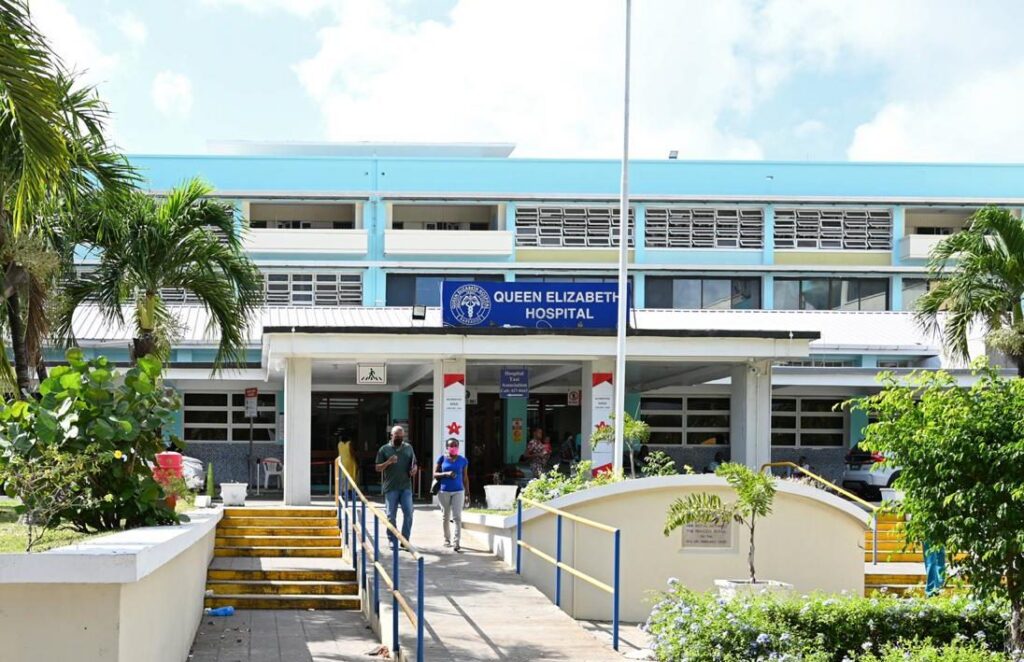
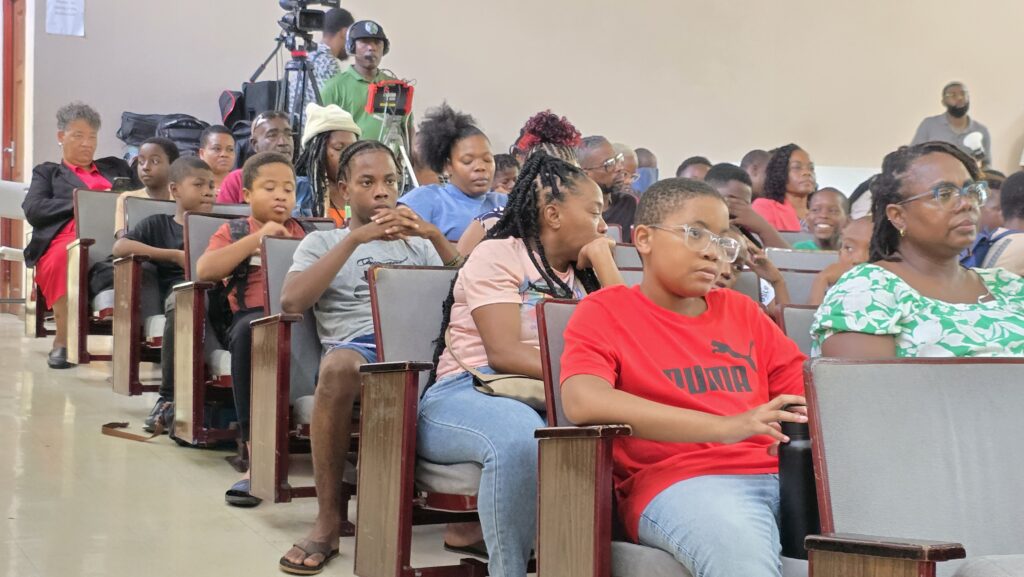
More than 130 boys enrolled in a five-week summer reading programme at the Barbados Community College have been urged to make the most of the opportunity to strengthen their reading and comprehension skills.
Founder of the Babb’s Reading Clinic, Dr Astra Babb, also called for greater introspection into the factors contributing to reading challenges in Barbados, particularly among boys.
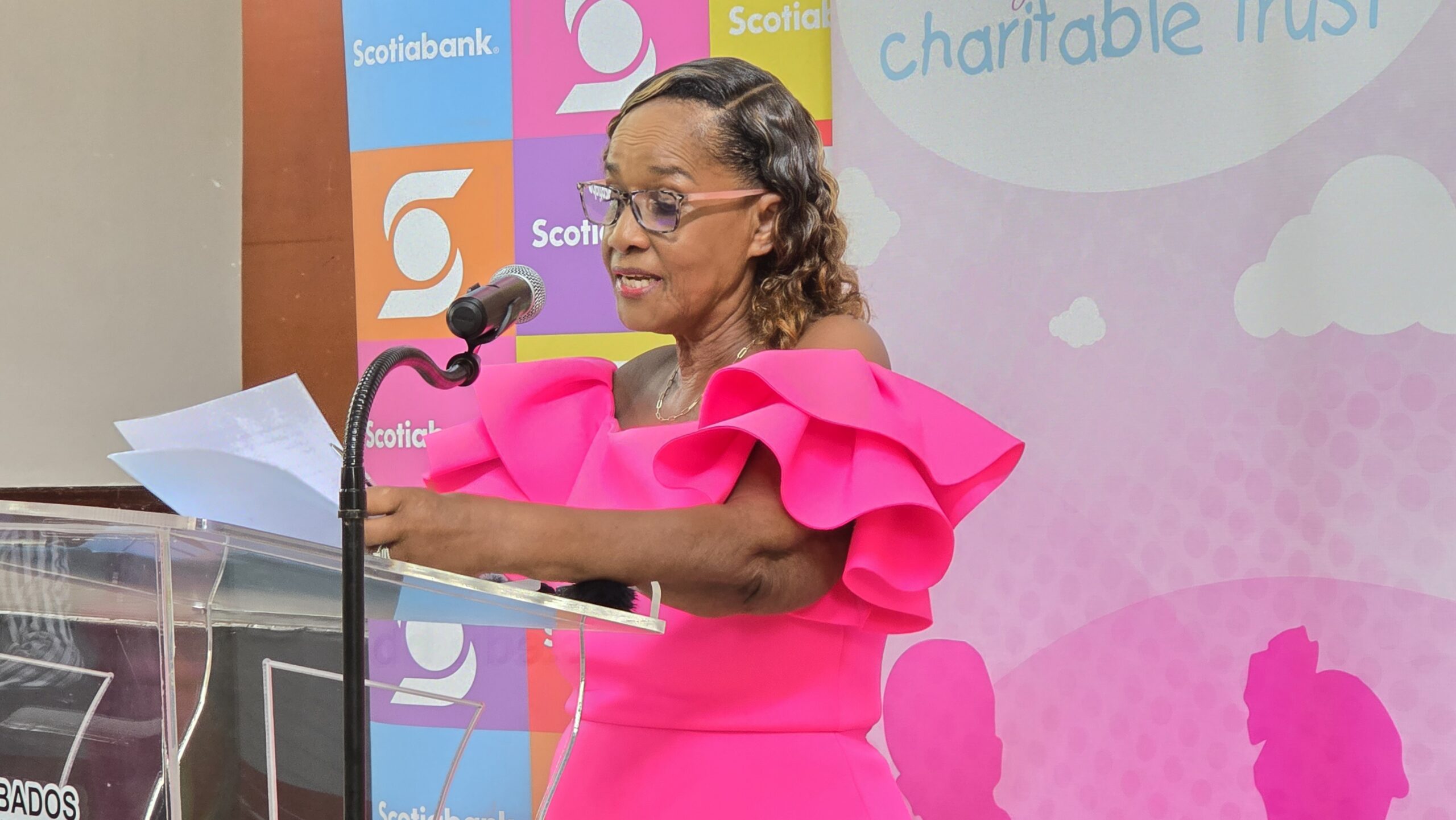
Dr Astra Babb. (Photo Credit: Lourianne Graham)
The clinic, established nine years ago to help address literacy challenges among boys, has continued to grow annually. Dr Babb said demand for the programme now exceeds its capacity, with parents continuing to call to register their sons even after the clinic surpassed its intended limit of 100 students.
As the summer programme opened at the Barbados Community College auditorium on Monday, Dr Babb said she understood the desperation of parents whose sons continued to struggle academically:
“I understand the desperation of some parents who are faced with the realisation that their sons who repeated first form at secondary school last year are about to repeat first form again in the new school year.”
Some parents were also coming to terms with the reality that after spending seven years in primary school and five years in secondary school, their sons were preparing to graduate, unable to read, she added.
Questioning how Barbados had reached this point, Dr Babb called for a national conversation on literacy:
“I believe all taxpayers, all parents and all government educational institutions need to engage in serious introspection. What is it that some of us are not doing correctly?
“Barbados was placed on a pedestal by all other Caribbean nations, an icon for all to emulate. Why are so many of our children unable to read? And why are most of them boys?”
Many of the boys enrolled in the programme simply needed help with reading comprehension and understanding the relationship between graphemes and phonemes, said Dr Babb, referring to the smallest written and sound elements of words.
She expressed confidence that they would make significant progress by the end of the five-week programme:
“I know that some children registered here simply need some assistance with comprehending text; they just want that lock unlocked. I know that some young ones are struggling with their inability to understand the link between graphemes and phonemes, and I promise you, parents, that we will change that by the end of the programme.”
She also acknowledged the Ministry of Education’s efforts to improve literacy and find solutions to strengthen children’s reading and comprehension.
Dr Babb revealed that members of the Barbados Defence Force would assist with activities during the programme, particularly for boys without a positive male role model at home, while the students would also receive free meals.
Featured speaker, Minister of Finance Ryan Straughn, commended the clinic’s work, describing literacy as not only an educational issue but also an economic one with implications for the country’s future.
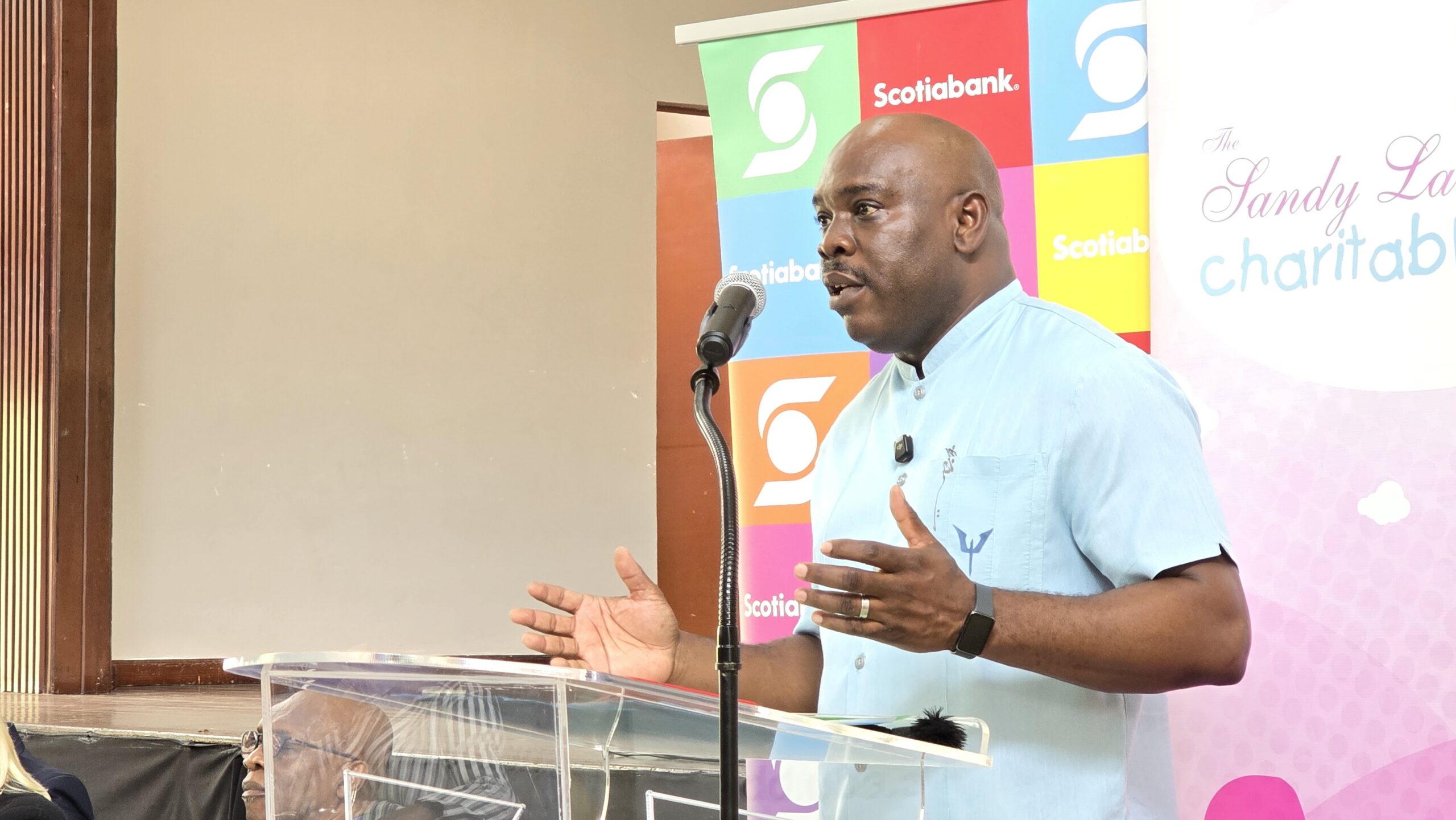
Minister of Finance Ryan Straughn. (Photo Credit: Lourianne Graham)
He noted that Barbados’ average English score had declined from 72.5 per cent last year to 64 per cent this year, saying the figures underscored the importance of initiatives such as the reading clinic:
“It is important that we understand how critical it is for all of our citizens, but especially our boys, to not fall further behind with respect to literacy. Because a boy who struggles to read today may struggle to seize opportunities tomorrow. The boy who cannot confidently read a job offer, a lease, or a business arrangement is not simply lacking ambition. He might grow into a man lacking access, and access is something that we all can change.”
He encouraged the boys not to feel ashamed about seeking additional help, reminding them that reading was a skill that could be developed over time:
“Reading is not a talent you’re born with. It is a skill. A skill that you build, one page, one chapter, one book at a time.”
The finance minister urged parents to continue supporting their children long after the five-week programme ended, recalling how his grandmother required him to read the daily newspapers every morning before school and summarise the stories for her.
This daily exercise helped shape his reading comprehension and understanding of the world, encouraging parents to adopt similar reading habits with their children, he said.
Straughn also warned of the wider consequences of poor literacy, noting a recognised relationship between low literacy levels and later contact with the justice system:
“Discipline is important. Reading is important. And here’s why all this matters. Reading is not just a single subject sitting all by itself. It allows you to connect the dots, as we would say in economics. Connecting the dots is important. It is a subject that others are built on. You can’t solve a mathematics problem if you can’t read the problem. You can’t hold up your end of the bargain if you don’t know what you’re agreeing to.”
He reminded the boys that while reading creates opportunities, discipline determines whether they succeed.
“Reading will open doors, but it is discipline that will keep those doors open.”
(LG)
The post Demand grows for boys’ reading clinic amid literacy concerns appeared first on Barbados Today.