
Women make up two of every three primary caregivers for people with dementia worldwide, while unpaid informal care accounts for about half of the condition’s global economic cost, the Barbados Alzheimer’s Association has said.
The association drew attention to the burden on caregivers as Barbados joins the world in observing World Alzheimer’s Month.
Lawyer and advocate Kimberley Benjamin told Barbados TODAY that people living with dementia and those caring for them both have a right to care.
She said: “Care partners of persons with dementia are also generally overlooked, including in the legal rights space. Just last year, in June 2025, the Inter-American Court of Human Rights delivered a landmark ruling – Advisory Opinion AO 31/25 – that recognises the right to care as a human right.”

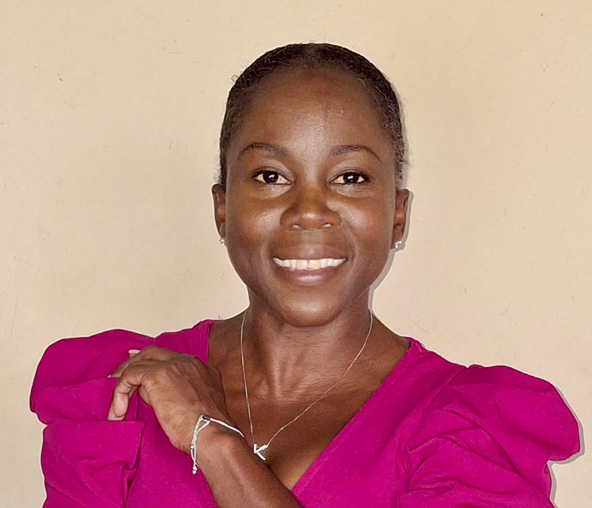
Kimberley Benjamin (File photo)
The court identified three dimensions of the right to care: “The right to be cared for, which means that people with care needs are entitled to quality, dignified and individualised care that respects their human rights, autonomy and privacy.
“The right to care for others, which requires that both paid and unpaid caregivers can provide care in decent conditions, free from discrimination, with access to health, work and social protection rights.
“The right to self-care, recognising that both caregivers and care recipients need the time, space and resources to look after their own physical, mental and emotional well-being.”
The court also found that care work is a protected form of work and outlined obligations for states to support both people receiving care and caregivers.
Benjamin continued: “The court emphasised that states have a duty not only to respect the right to care, but also to actively ensure its enjoyment. This includes adopting laws, policies and institutions that guarantee the rights of all people to care and be cared for, while providing enhanced protection for groups with greater care needs and for unpaid caregivers.”.
The ruling was particularly significant for people with dementia, whose care needs can increase as the condition progresses, as well as unpaid family caregivers who often have employment and household responsibilities, she added..
Benjamin said Barbados had made progress in providing home-help and day-care services through the Ministry of People Empowerment and Elder Affairs, but there was still room for improvement.
“While Barbados has made progress in providing some home help services, day care services via the Ministry of People Empowerment and Elder Affairs (Social Empowerment Agency), the policy space still has room for improvement if the environment for carers and persons with dementia is to be more inclusive.”
Alzheimer’s association executive member Kaila Branch said the financial burden of dementia care was often borne by families.
“The economic burden of dementia was US$1.3tn every year.”
About half of the global cost of dementia was linked to informal care, adding that women were disproportionately affected by the responsibility, Branch said.
“According to Alzheimer’s Disease International, two-thirds of the persons who are primary caregivers being women, and of course the women then must juggle not only the management of the person who’s living with the condition, but clearly you also have to manage the household, managing the children, managing your work, because more often than not you’re still of working age, and so therefore caregiver support is very important, and caregivers can face isolation, financial strain.”
She said caregivers needed support to protect their own wellbeing while caring for others.
“We want to put things in place because caregivers have the right to access a number of relief programmes. They have the right to ensure their own well-being as well as the well-being and dignity of the person that they’re supporting.
“And so we speak a lot, you know, not only to the right to care, but the right to be cared for.”
The Barbados Alzheimer’s Association provides support through its caregiver support group and encourages caregivers to seek help when they feel overwhelmed or need advice.
Branch said confidential support networks were important, adding that preparation and support could help families move from grief and feeling overwhelmed towards reassurance and empowerment.
The theme of World Alzheimer’s Day on Monday is The earlier you know, the more you can do: A dementia diagnosis matters. (LG)
The post Dementia caregivers need stronger support, advocates say appeared first on Barbados Today.