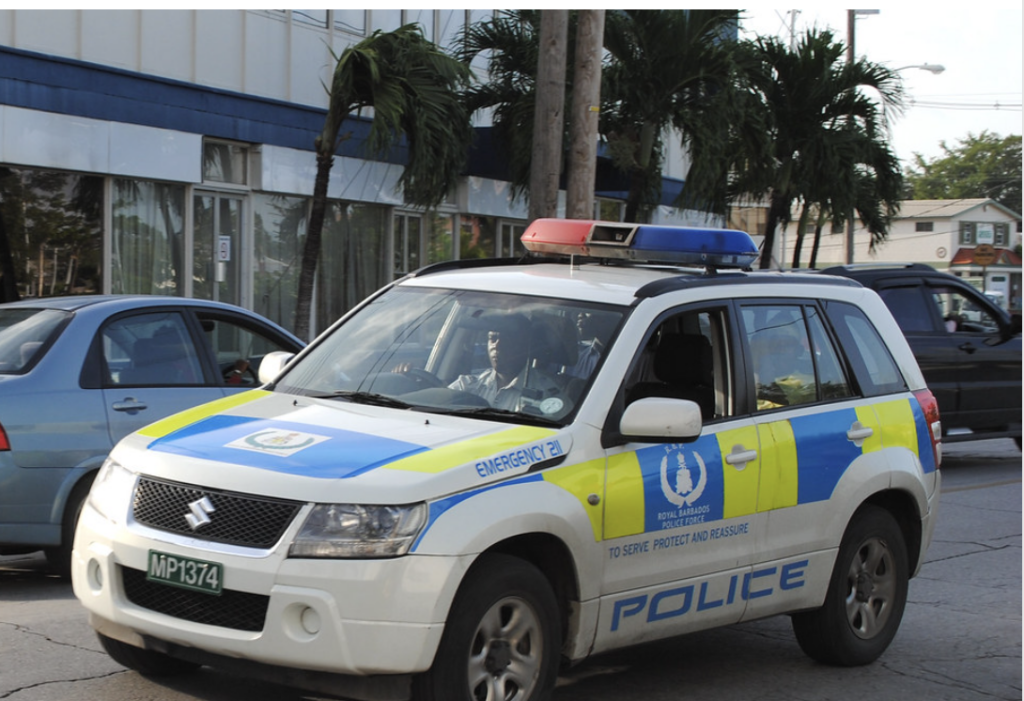
Endemic truancy has forced the Ministry of Education Transformation to roll out joint patrols with the Barbados Police Service to remove students from the streets during school hours, lawmakers heard on Tuesday.
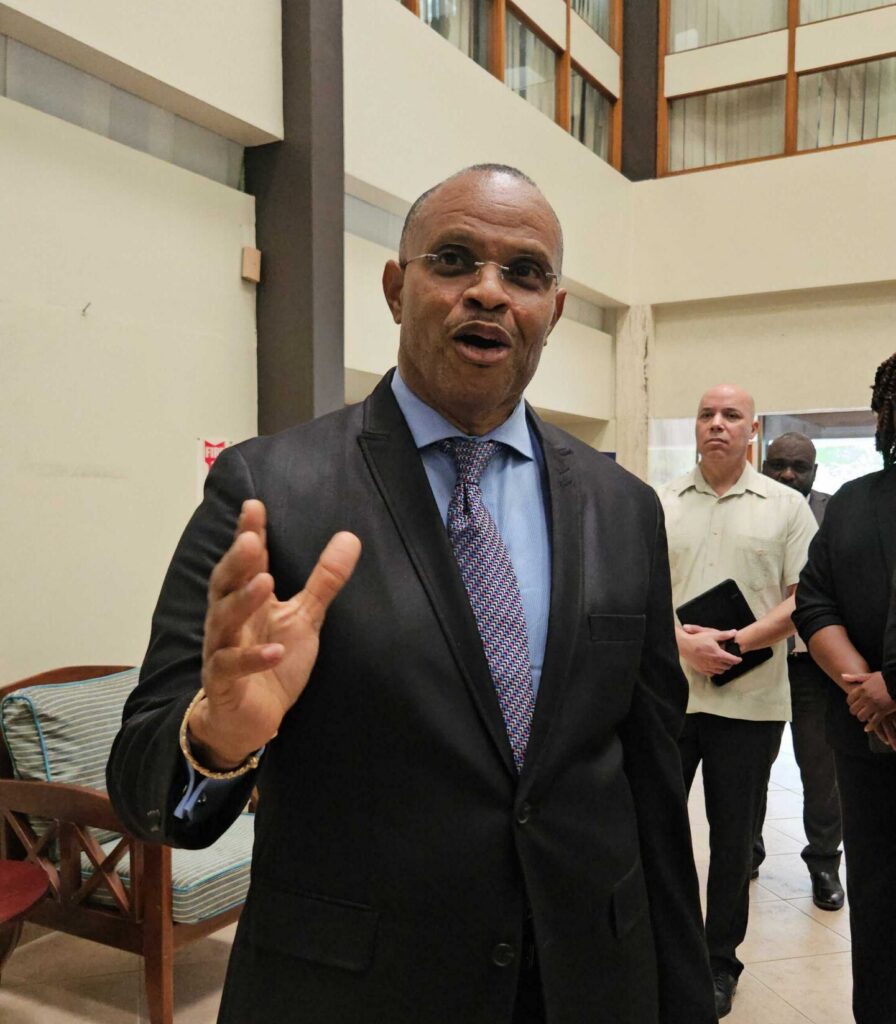
As the House of Assembly continued the 2026–27 Estimates for education, St Thomas MP Gregory Nicholls raised concerns about students congregating at bus stops long after classes have begun.
“There’s too many children on our streets at 9:30 and 10 o’clock on mornings at bus stops,” he said. “They cannot be getting the instruction and the tuition that the schools are providing and the guidance that the schools are providing. If they’re at bus stops after 9 and 10 o’clock, it is a big problem and it needs to be addressed.”
Senior School Attendance Officer Sharon Weekes-Cumberbatch told the House that her department has partnered with the Barbados Police Service in a daily joint patrol aimed at tackling truancy hotspots.
“Within the school attendance department we currently have an arrangement with the Barbados Police Service with the intervention of a joint venture patrol where every morning we are seen on the roads to assist in terms of those children who are seen loitering or truancy,” she said.
“We seek to ensure that those children are moved from on the road. Once we get the calls… we then take ourselves to the places where those students are because there are some hotspots where you will see more children than other areas.”
She added that officers physically remove students from public spaces. “We put those children inside of the vehicle as well.”
Weekes-Cumberbatch acknowledged persistent challenges at bus terminals, where only one attendance officer is stationed at Princess Alice Terminal and one at the Granville Williams Bus Terminal. She described staggered arrival patterns that complicate monitoring.
“When there’s a nine o’clock service, we will see like five, ten children there for that service. After that service has gone, we will see a drove of 20 children just come into the terminal just like that,” she said, noting that officers must then liaise with Transport Board supervisors to secure additional buses.
Outside the terminals, she said, patrols respond to reports from the public and coordinate with police units on the road.
Nicholls maintained that the problem runs deeper than transport logistics. “The challenge might be more cultural because, as I said, we never got to school late, or it wasn’t at the level that it is, so we have either become more lax or it’s more tolerable,” he said.
Weekes-Cumberbatch agreed that behaviour patterns have shifted. “It is cultural because some of the trends that we see every morning, it is a lot to deal with. Our children are engaging in practices that are not healthy on mornings, like with the drugs and all the different things in places,” she said. “But yes, the culture is very endemic, and that is a problem that we get every single morning.”
Chief education officer Dr Ramona Archer-Bradshaw said accountability must form part of the solution.
“Sometimes when you see children get to school late, it has nothing to do with the school bus. It has to do sometimes with the fact that some children just feel that they can do whatever they want to, so we have to be able to hold parents accountable and children accountable as well,” she said.
She linked punctuality to broader reforms under the education transformation agenda, including curriculum changes and social and emotional learning designed to promote self-regulation.
“We want our children to be able to self-regulate. They have to know that, look, I want to get to school for 8:15, so it means that I cannot get up at 8:15 or I can’t get up at eight o’clock. I have to get up at six or 5:30 and start to prepare,” she said, adding: “School is indeed a microcosm of society… some of the ills that we see in society, we see playing out in schools.”
Nicholls also pointed to transport challenges within his constituency, noting that some students from areas such as Canefield and Airy Cot rise as early as 5 a.m. and do not return home until after seven or 8 p.m. because of existing bus schedules. “So I want to know, how far advanced are we with the dedicated school bus service?” he asked.
Dr Archer-Bradshaw said discussions with Transport Board chief operations officer Lynda Holder have advanced significantly.
“With regard to the dedicated school bus service, I’m happy to say that we have been in talks with Lynda Holder, Transport Board, how we could get children to school on time,” she said. “We are at an advanced stage when it comes to the creation of a dedicated school bus service.”
She confirmed that a recent survey identified problematic routes and that those findings have been shared with the Transport Board. “So you’ll be seeing that pretty soon in terms of the dedicated school bus service,” she said.
The post Education officials, police in patrols to tackle student truancy appeared first on Barbados Today.