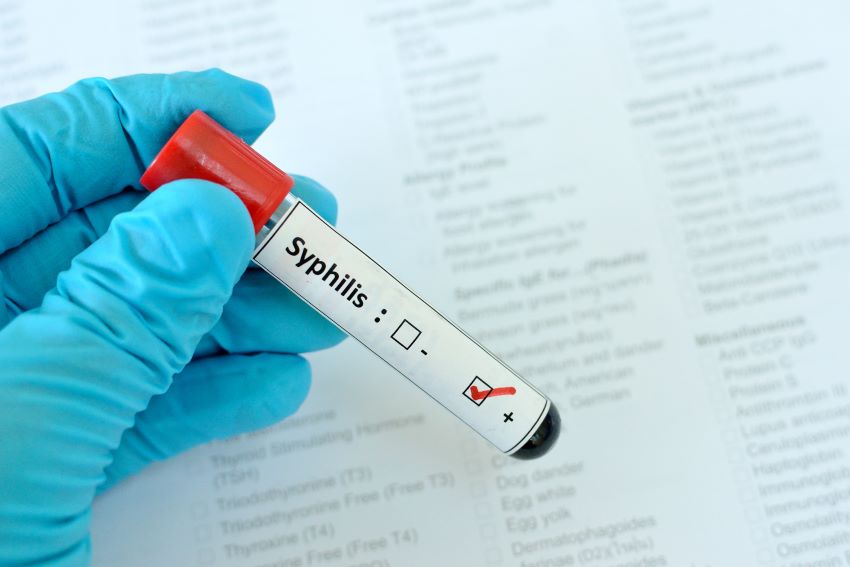
A sharp increase in syphilis infections across Barbados has triggered urgent public health warnings, with officials urging sexually active people to get tested as the disease — though preventable and curable — continues to spread silently and threaten unborn babies and cause irreversible harm if left untreated.
While the ministry did not provide figures on the scale of the outbreak, it confirmed that cases are rising and urged members of the public to “take practical steps to protect their health”.
“Syphilis is a sexually transmitted infection that is both preventable and curable, but many people may not realise they are infected as symptoms can be mild or absent in the early stages,” the ministry said in a statement.
Syphilis stands out among sexually transmitted infections because it can be silent for years yet cause severe, irreversible damage to the brain, heart and other organs, and it uniquely poses a major risk of stillbirth and serious illness in newborns if passed from mother to baby.
The infection can present as a painless sore on the genitals, anus or mouth, or later as a rash, commonly on the palms of the hands or soles of the feet. Other symptoms may include swollen glands, fever, fatigue, sore throat or body aches, often mistaken for other conditions.
“Even if sores or rashes heal on their own, the infection remains and can progress if not treated,” the ministry cautioned.
“In pregnancy, untreated syphilis can lead to miscarriage, stillbirth, or serious illness in newborns,” the ministry added. “These outcomes can be prevented through early testing and treatment.”
The health ministry encouraged people to get tested if they are sexually active, especially if they have new or multiple partners, noting that testing is simple and available through public and private health services. Using condoms correctly and consistently remains one of the most effective ways to reduce the risk of infection.
Anyone who tests positive is urged to begin treatment as soon as possible and to inform recent sexual partners so they can also be tested and treated.
Pregnant women were also strongly encouraged to attend antenatal care early and complete all recommended blood tests. “Early testing and treatment during pregnancy can fully protect the unborn baby from congenital syphilis,” the ministry said.
The warning comes as Barbados continues to pursue international certification for eliminating mother-to-child transmission of HIV, syphilis and hepatitis B. In October last year, a Pan American Health Organization (PAHO) team conducted a pre-assessment of the island’s health services – including visits to the Queen Elizabeth Hospital, polyclinics and laboratories – as part of the process towards certification by the World Health Organisation.
PAHO officials said at the time that the review highlighted strong systems in maternal and child health and sexually transmitted infection services, while also identifying areas for improvement to close remaining gaps. Achieving certification would place Barbados among a growing group of Caribbean territories recognised for preventing transmission of these infections from mother to child.
Eleven Caribbean countries have already achieved PAHO/WHO certification, including Belize, Jamaica and St Vincent and the Grenadines, while Cuba was the first country in the world to eliminate mother-to-child transmission of both HIV and syphilis.
The ministry said it is working to strengthen access to testing, ensure timely treatment and reduce stigma so that people feel comfortable seeking care.
“The ministry is working to improve access to testing, ensure timely treatment, and reduce stigma so that people feel comfortable seeking care,” the statement said.
Barbados TODAY sought additional details on the scale of the increase in syphilis cases but was unable to reach health officials up to press time.
The post Efforts underway to cut mother-to-child transmission of syphilis, HIV appeared first on Barbados Today.