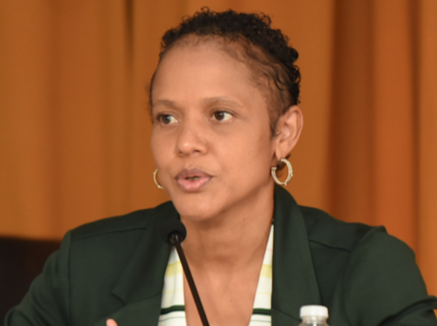

With more than 4 000 Barbadians reportedly seeking housing solutions, Democratic Labour Party (DLP) spokesman on housing, infrastructure and transport, Ian Griffith, is nailing away at what he says are chronic delays, poor accountability and questionable management of Government housing projects.
His comments come after Minister of Housing and Lands Chris Gibbs, in the last Weekend Nation, acknowledged ongoing “housing hiccups” and outlined measures aimed at addressing the growing demand for affordable housing.
However, Griffith argued that before any meaningful progress could be made, Government must first confront the reasons why several flagship housing projects have stalled or failed to deliver homes to those most in need.
“We have to look at what is causing these delays,” Griffith said, pointing to a number of projects launched under the HOPE (Home Ownership Providing Energy) Inc. programme that had either failed to get off the ground or remained incomplete years after construction began.
Among the projects highlighted were developments at Pool, St John; and Fustic Gardens and Checker Hall, both in St Lucy.
According to Griffith, the DLP candidate for St Lucy in the last General Election, some sites have remained dormant for extended periods, while others have struggled with material shortages, construction setbacks and possible resource mismanagement.
At Fustic Gardens, he said a model home that was expected to showcase the development has yet to be completed.
Unoccupied units
He also raised concerns about housing units at Coconut Hall, also in St Lucy, where completed structures have reportedly remained unoccupied for more than a year. He said exposure to the harsh Atlantic coastline had already begun to affect some of the buildings, with rust appearing on doors and structural connections in several units using steel-frame technology.
“These homes were finished but never occupied. Now they are deteriorating before families have even had the opportunity to move in.”
Griffith said the issue extended beyond delayed construction and called for greater transparency surrounding contractor arrangements, project financing and the criteria used to allocate housing units.
“There seems to be a lack of accountability for the delays and the failure to produce the homes that were promised. An independent body should investigate exactly what has gone wrong.”
While critical of the current system, Griffith offered some suggestions that he believed could help reduce the backlog and accelerate home ownership opportunities.
Shift
One of his main recommendations is a shift away from Government acting as the primary builder of housing units. Instead, he suggests the State focuses on making serviced lots available to qualified applicants at affordable rates.
Under this model, successful applicants would acquire land from Government and use it as collateral to secure financing from commercial lenders. Homeowners would then build houses according to their individual needs, budgets and family sizes, he explained.
“People should be allowed to build according to their means. A family of six has different needs from a single parent with one child. One size does not fit all.”
Griffith said such an approach would reduce Government’s exposure to construction delays while empowering families to design homes that better suited their circumstances.
He also questioned whether some existing housing programmes adequately address long-term affordability.
Responding to Government’s proposed Social Mortgage Programme, which aims to help renters transition into home ownership, he acknowledged the concept had merit but warned that ownership came with responsibilities that many low-income families might struggle to manage.
“When you move from being a tenant to being a homeowner, maintenance becomes your responsibility,” he said.
He said that policymakers must consider whether mortgage repayments will leave homeowners with enough disposable income to maintain their properties over time.
To address this concern, Griffith suggested Government explore maintenance assistance programmes, including vouchers or subsidies for building materials and repairs for qualifying homeowners.
As Barbados continues to grapple with a growing demand for affordable housing, Griffith maintains that solving the crisis will require more than new announcements and policy initiatives.
“The first step is finding out what went wrong. Then we can determine how best to fix it and ensure that the promises made to Barbadians become reality,” he said.
(AJ)
The post Griffith offers housing ideas appeared first on nationnews.com.