Teachers at Hilda Skeene Primary School say the success of children’s education depends heavily on parental involvement and access to adequate resources, as debate continues over whether private schools outperform their public counterparts.
The comments came on Friday during the school’s graduation ceremony at The Crane Resort, St Philip, days after the Barbados Union of Teachers (BUT) called on the Ministry of Education Transformation to explain why private schools appeared to outperform public schools in this year’s Common Entrance Examination results. Lovell argued that differences in funding, classroom resources, parental involvement and repeated school closures made direct comparisons between the two sectors unfair.
Hilda Skeene Primary produced one of the island’s top performers in this year’s Common Entrance Examination, with Josiah Gibson placing second islandwide after scoring 100 per cent in Mathematics, alongside several other students achieving marks in the 90s.
Class Four teacher at Hilda Skeene Primary, Kara Allsopp, said the students’ achievements prove that public school children can perform at the highest level when families and schools work together.
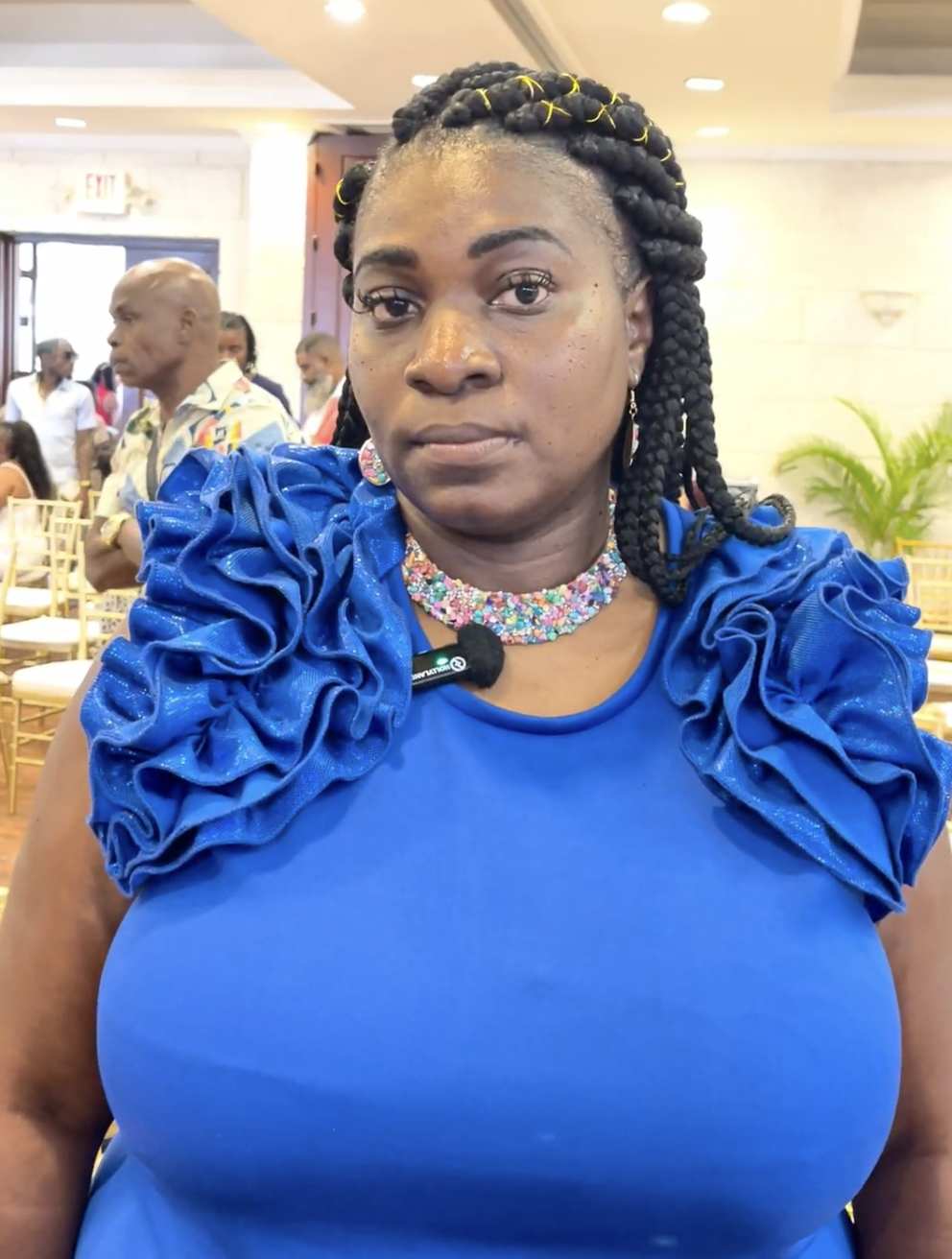
Class Four teacher at Hilda Skeene Primary Kara Allsopp. (Photo Credit: Lauryn Escamilla)
“We have students in the public schools that can do just as well as or even better than the private schools once the parents are involved.
“That’s something that I credit these children for. They had parental involvement. The parents wanted the best. They were very willing to support. They were always willing to do the extra to let the children come to school even on our off days.”
She added that the school’s latest examination results reflected months of commitment from both students and parents.
“We worked hard. The children were very willing. They even gave up their time for the bank holidays. They came up there and they were very willing to work hard. And that is the real secret to success: motivation.”
Teachers also have a responsibility to inspire students, Allsopp said.
“My job here with this class and with students generally is a job of motivation. You have to get them to want to do well, and once you get them to want to do well, the children will perform well.”
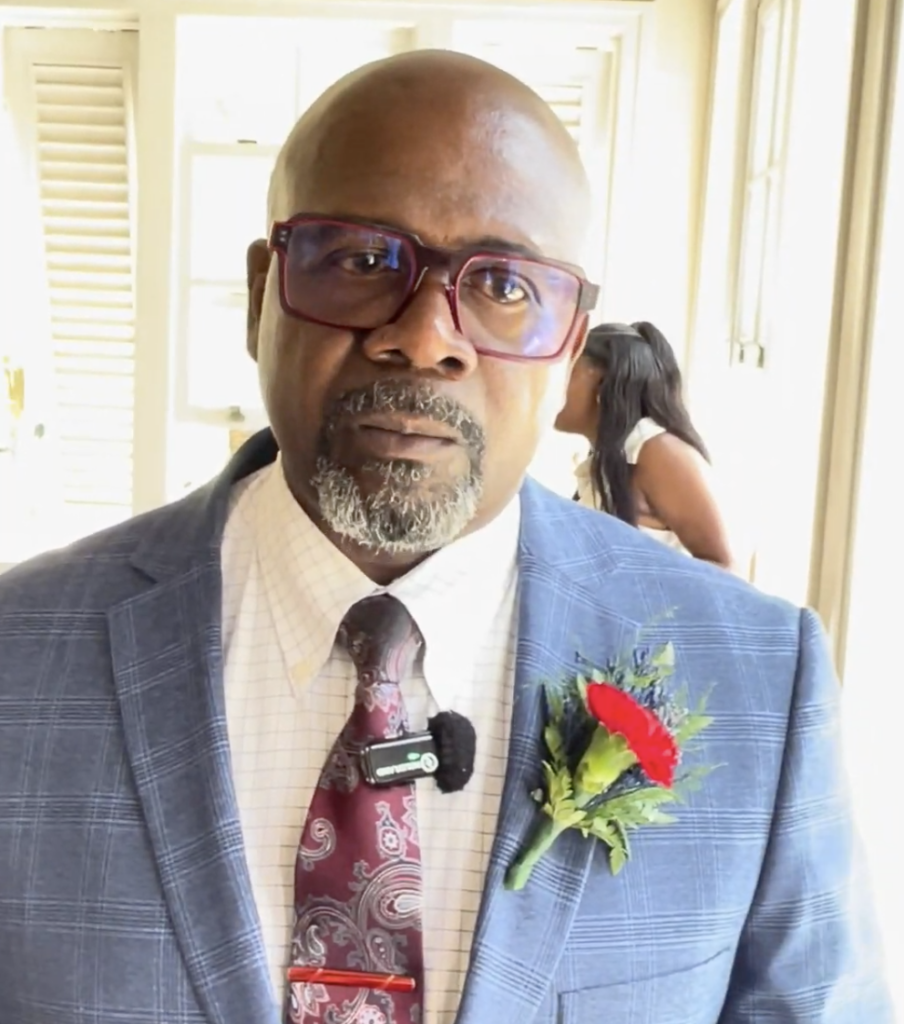
Principal Wayne Bryan also rejected direct comparisons between the public and private education systems, saying the two sectors operate under different conditions.
“I think it is really impractical to compare public schools with private schools.
“You compare apples with apples; you don’t compare apples with oranges because there are a number of variables that impact how a private school runs and the kind of persons that they attract.”
He said differences extend beyond students and include how schools are managed and staffed.
“They are separate and distinct. Although they provide the same good, they operate totally differently.”
But Bryan acknowledged that limited financial resources remain one of the biggest challenges facing public schools:
“You can have the loftiest of goals and dreams, but if you don’t have the resources, whether they be human, whether they be financial, whether they be material, it makes it more challenging to accomplish those goals.”
Principals are often forced to spend time seeking financial support instead of focusing solely on educational leadership, he said.
“I have to go and lobby the private sector to get that money. I have to get my parents mobilised so that we can get into fundraising.”
The principal argued that greater investment from businesses would benefit the country’s future workforce:
“People who have businesses, whose input by way of human capital are the people that come from schools, they should invest… Everybody’s hands have to join together in order to make this work.”
(LE)
The post Hilda Skeene staff: Children’s education depends on parents, resources appeared first on Barbados Today.