The fishing industry, slowly recovering from Hurricane Beryl’s battering two years ago, may be in line for fresh funding from the Fund for Responding to Loss and Damage (FRLD).
The Fund for Responding to Loss and Damage was established under the United Nations climate framework to assist vulnerable countries in coping with the irreversible impacts of climate change, particularly after extreme weather events.
Barbados has played a leading role in advocating for such financing, with Prime Minister Mia Mottley emerging as a key voice in global climate negotiations and in shaping mechanisms such as the Barbados Implementation Modalities (BIM).
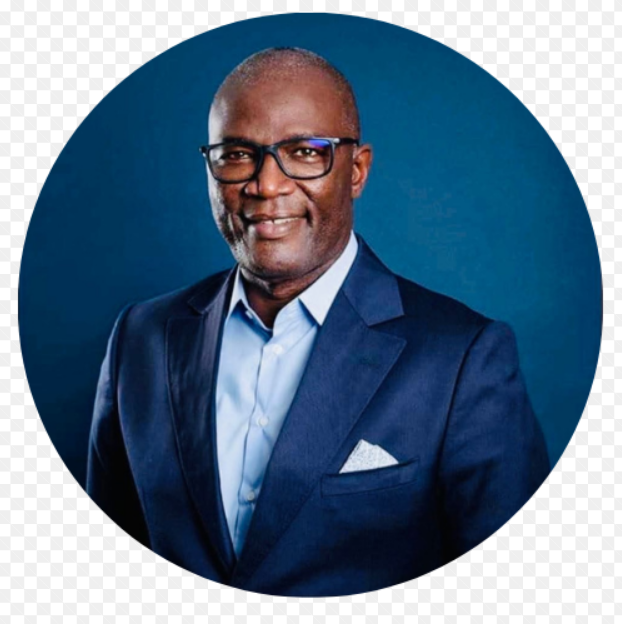
FRLD Executive Director Ibrahima Cheikh Diong is in Barbados seeking requests from the region’s governments for grant funding to assist them with early interventions, especially in the face of another Atlantic hurricane season starting next month.
Diong met late Tuesday with Deputy Prime Minister Santia Bradshaw to discuss the climate fund’s support, on the eve of his return visit to the Bridgetown Fisheries Complex, which sustained the brunt of structural damage and the loss of boats.
The fund recently launched its US$250m ($500m) package of early interventions under BIM, a pivotal moment for developing countries most vulnerable to the adverse effects of climate change.
Diong said: “I was in Barbados in the middle of Hurricane Beryl. I had a chance to go on the ground and see the damage caused by the hurricane, the resilience of the people of Barbados and the work the government has been doing in rebuilding. So, coming back here, I would like to go back and visit on the ground and see what has happened since the last time I was here.”
The FRLD official said he was anxious to brief the government on the work done so far, noting that Prime Minister Mottley has been the biggest champion of the fund.
“It was here in Barbados a year ago that we launched the Barbados Implementation Modalities (BIM). It is very symbolic to come back and brief the government on progress we have made so far. I am meeting with the deputy prime minister this afternoon. The whole purpose of the meeting is really to update her on the progress we made; and looking ahead, where do we stand on the fund, and hopefully get some support from the government in continuing to advocate for this fund.”
Diong revealed that since the fund was established, pledges have been coming in from around the globe.
“We have converted some of the pledges, US$820m [$1.64m], to actual funding, US$440m [$880m] has already been transferred and converted into actual funding. So, a year ago, our board decided to launch this early intervention of US$250m [$500m] providing grant-only support for countries, recognising that the challenges that countries have to deal with, they don’t want to borrow at this stage.
“More importantly for the region, it was decided in Barbados to allocate a minimum of 50 per cent to the SIDS and LDCs [lesser developed countries], and that’s where Barbados fits in.”
He disclosed that initial funding will be between US$5m ($10m) and US$20m ($40m), and countries will determine where their priorities lie and the level of financial help they need.
But Diong appealed to the representatives of CARICOM countries now attending a two-day workshop where requests for funding are being facilitated, that June 15 was the deadline to submit their financial requirements.
He also stressed that this cut-off date will remain unless the fund’s board decides to extend it.
The FRLD board will meet in late July to recommend to the trustee – the World Bank – where to disburse the money.
Diong said: “It’s up to the countries, based on their needs, how much they would like to come to FRLD for funding, or other funds as well; ultimately, knowing that when you put that US$5m [$10m] to US$20m [$40m] it will be enough to meet their demands. So, we are looking at the gaps we are filling in, and making sure that what we provide can be put to use very quickly, so we can respond.”
Hurricane Beryl, the first major hurricane of the 2024 Atlantic season, was the earliest-forming category 5 hurricane on record. It impacted Barbados as a category 3 storm while passing approximately 150 km south of the island, generating large swells and waves that affected the island’s south and west coasts. While the storm caused only moderate damage to basic infrastructure and did not trigger a humanitarian crisis, it decimated the island’s fishing fleet.
The storm’s overall effects were estimated at $193m, equivalent to 0.15 per cent of the country’s GDP. Damage accounted for 58 per cent of the total effects, followed by losses (36 per cent) and additional costs (5 per cent). Tourism, fisheries and agriculture, and the environment accounted for 84 per cent of total effects.
Beryl’s early formation and its impact on Barbados serve as a reminder of the increasing unpredictability of climate patterns, which exacerbates the vulnerability of Caribbean small island developing states to extreme weather events.
The post Loss-and-damage fund may come to fishing industry’s aid appeared first on Barbados Today.