
On the day the common entrance examination – long earmarked for replacement – was set, the Ministry of Education Transformation announced it will roll out a major reform of the primary-to-secondary assessment system from September 2026, introducing a 50/50 evaluation model that begins in Class Three and replaces the current single high-stakes examination.
In an update to reporters at the Deighton Griffith Secondary School, Education Minister Chad Blackman explained that students currently in Class Two will be the first cohort under the new system, while those now in Class Three will be the last to sit the exam in its current format next year.
“The current Class Two students who will then become Class Three students in September will begin the new phase of that transition from primary to secondary. Therefore, 50 per cent of what they’re going to be doing will be done in Class Three in terms of assessment, going towards the outcome of that transition and the other 50 per cent in Class Four. So September 2026, therefore, starts the new process of transition for our students, but it also means that the current Class Three students will still continue in the current format of the exam come September.
This means that, beginning in the 2026/2027 school year, assessments will be spread across both Class Three and Class Four.
“We assess in terms of the transition from primary to secondary in Class Three and Class Four. Instead of the one short exam at Class Four, we can do it over that three-hour period that they do English, Math, and Composition. Why are we doing this? To give them a broader opportunity, to tap into different things and to be able to assess the modes that allow for them to show truly who they are and the ideas that they have.”
Chief Education Officer Dr Ramona Archer-Bradshaw outlined how the new assessment will be structured: “50 per cent will be continuous assessment, and the other 50 per cent will be standardised tests.”
In explaining the purpose of the continuous assessment, Dr Archer-Bradshaw said the system is designed to demonstrate that children are multifaceted.
“They should not be judged by one examination, but they should be judged by what they know and what they can do over a period of time. The beauty of the continuous assessment is that students will get to demonstrate their skills within the classroom.”
In that way, the new system helps to identify what students can do independently.
“We often speak about artificial intelligence, but I have a colleague who speaks about another kind of intelligence called PI, which is parent intelligence. We know that sometimes children will take home assignments, and the parents will help them quite a lot so that they can get an A. We want to see what children can do in the classroom and what they know so that we can truly help them to develop.”
In immediate reaction, some parents voiced scepticism about the new system which is set to begin in September.
“That does not make any sense to me,” remarked Karen Franklin, a parent awaiting her child at Deighton Griffith Secondary. “To me, if you going to do that, you have to start from full circle not in the middle.” She suggested it should be delayed.
“You can leave it for the next few years, let the children go ‘long, their assessment should start from Reception, so by the time they get into class four, everything is in place.”
Franklin also argued that introducing the assessment at this stage could put students at a disadvantage.
“Cause those children will be at a disadvantage between this process and that process, unless its something they started already.”
Another parent, Marisa Bynoe, said she is waiting to see how the transition unfolds: “I’ve been hearing that since I was in school.”
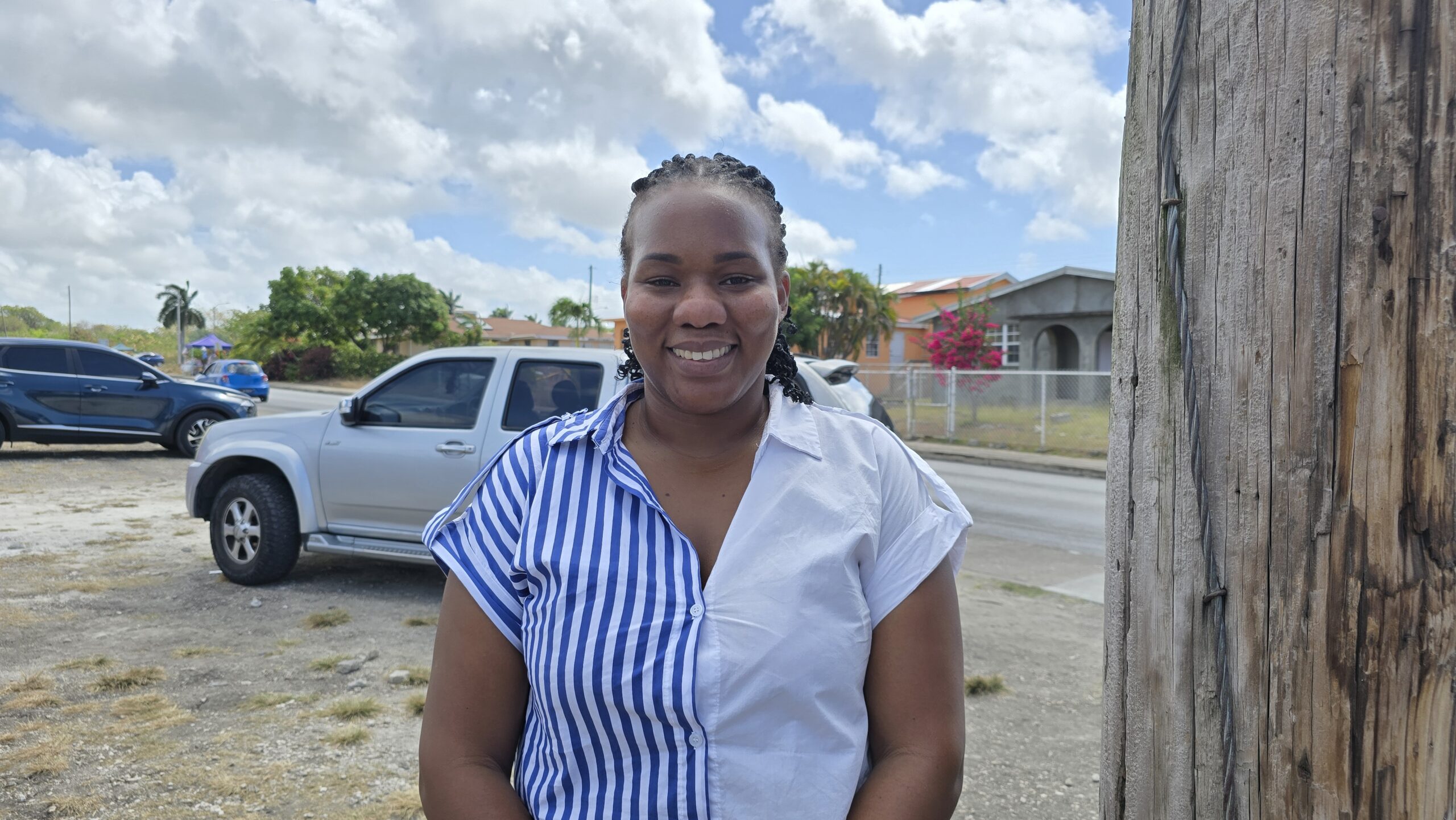
Parent, Marisa Bynoe. (Photo Credit: Lourianne Graham/Barbados TODAY)
She is, however, concerned about the stigma surrounding certain schools, which can leave some children feeling marginalised after placement.
“When there are the results for the common entrance, I’ve never seen a child who has passed for St George, Springer, Princess Margaret, Alexandra being commended, so then obviously, a child who has passed for that school, not only because of marks but because of zoning…there’s stigma associated with it.”
She added that the culture in Barbados reinforces those perceptions, but there are still benefits.
“I know so many children who leave Harrison College and go to St George for lessons, because they can’t keep up and they don’t want to be left behind, then we unfortunately, as parents, end up with an extra fee just to keep up.”
Principal of St Bartholomew’s Primary School, Anthea Gill, also addressed the emphasis placed on certain schools, noting that the most important factor is finding the right fit for each child:
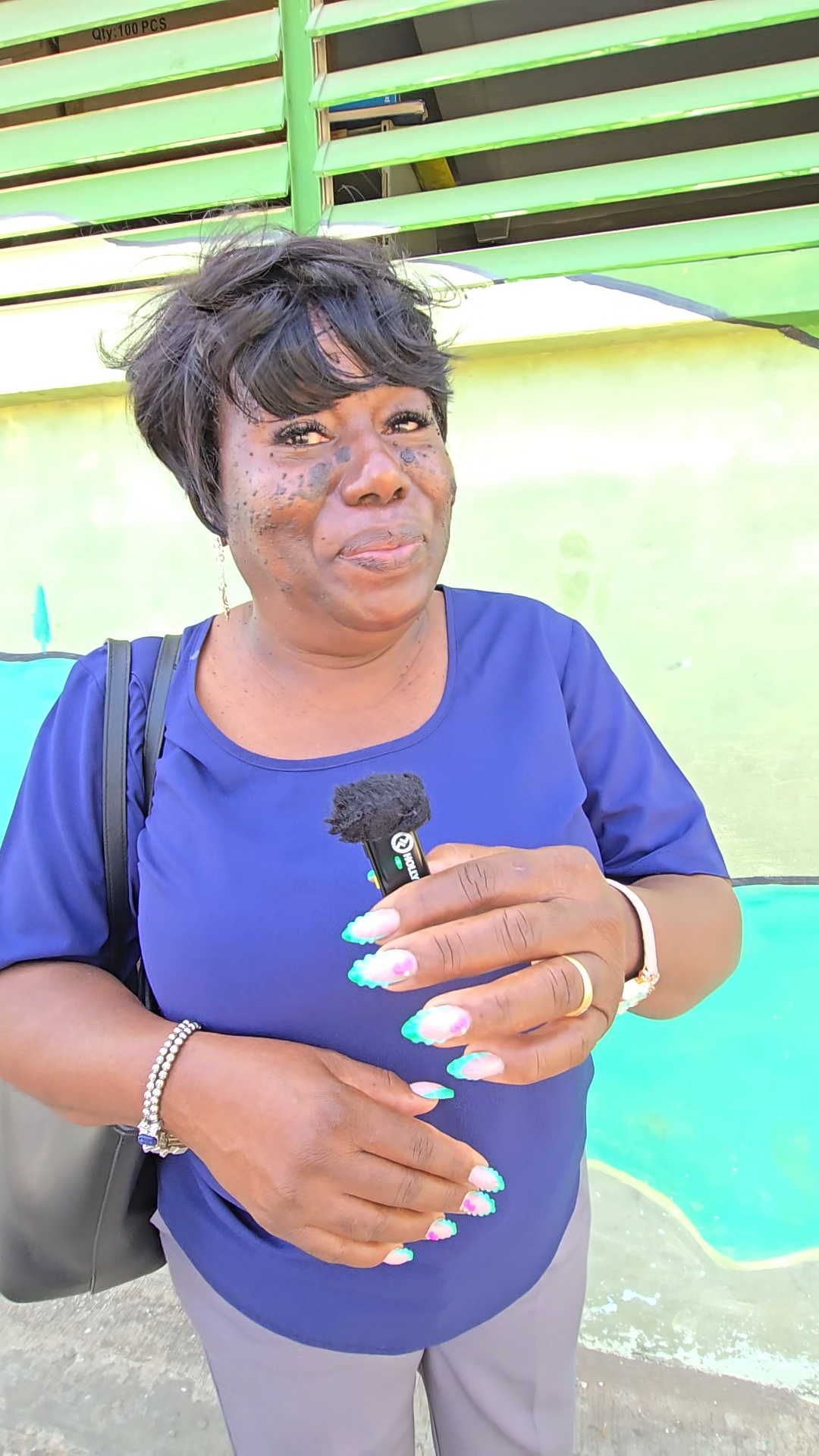
Principal of St Bartholomew, Althea Gill (Photo Credit: Lourianne Graham/Barbados TODAY)
“Regardless of where your child ends up after this exam, he or she is in a good place…. I’ve realised that some schools will cater best to what your child is good at, wherever that child ends up is gonna be the best place for him or her.”Details on the town hall meetings to address the public’s questions and concerns are expected to be announced shortly.
(LG)
The post New 50/50 assessment system to begin in 2026/2027 school year appeared first on Barbados Today.