
The Barbados Union of Teachers (BUT) and the Barbados Secondary Teachers Union (BSTU) have welcomed the appointment of the Teaching Service Commission, but said its success would depend on how quickly it addressed teachers’ employment matters.
The commission took the oath of office and held its inaugural meeting on Monday, more than 50 years after provision was made for it in the Constitution of Barbados. It was appointed for three years with effect from July 22, under section 89A of the Constitution, following consideration by Cabinet and approval by the President.
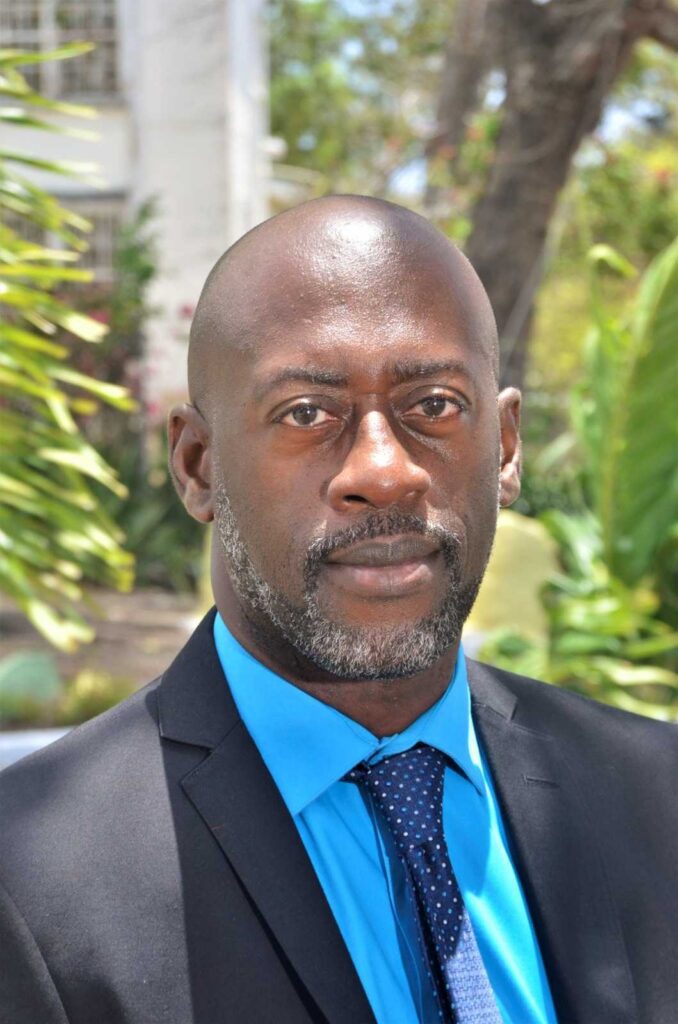
In a statement to Barbados TODAY, BUT President Rudy Lovell said the union welcomed the long-awaited development as a significant step for the teaching profession.
“This long-awaited development represents a significant milestone for the teaching profession and an important recognition of the unique nature of teaching within the wider public service.”
Lovell said the union had advocated for a dedicated commission for many years because of the profession’s distinct responsibilities and requirements.
“The union has long maintained that these matters warrant dedicated oversight and cannot always be adequately addressed within the broader framework of the Public Service Commission.”
The union expects the commission to prioritise recruitment, appointments, promotions and disciplinary proceedings, while improving transparency and the timely handling of teachers’ affairs.
Lovell said one of its key expectations was that the commission would help address delays in payments owed to teachers.
“Of particular importance is the Union’s expectation that the Commission’s work will help to address the persistent delays in the payment of increments and other monies owed to teachers,” he said. “Teachers must be able to trust that their service, entitlements and professional contributions will be recognised and that payments due to them will be processed without undue delay.”
The union also urged appointments and assignments across the teaching service be dealt with promptly, giving teachers greater certainty about their employment.
Lovell said the union hoped the commission would operate without external interference and looked forward to a constructive working relationship with it.
BSTU president Mary-Ann Redman said the wait for the commission had been far longer than the union’s recent campaign might suggest.
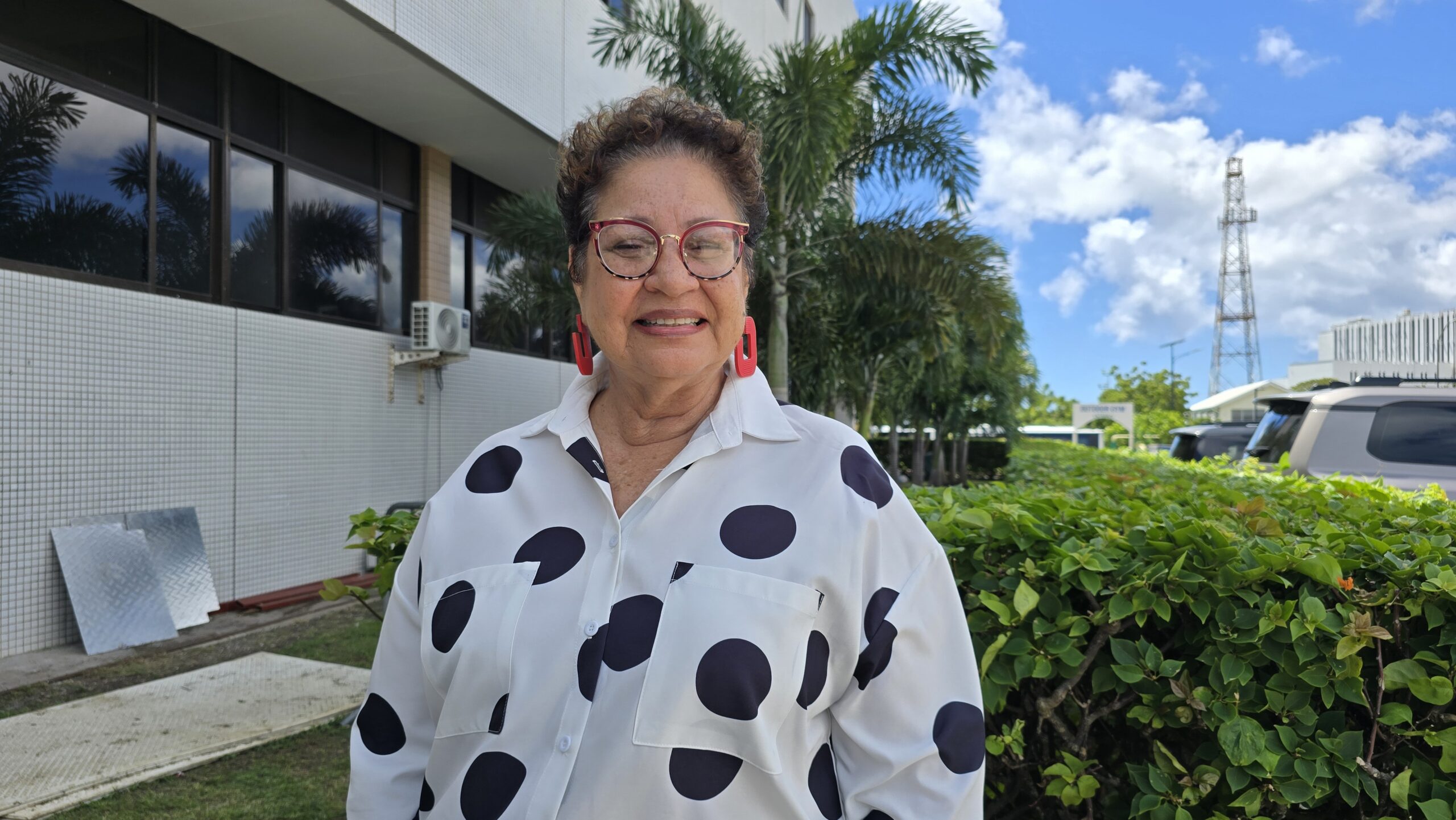
Mary-Ann Redman, BSTU President. (File Photo)
“Provision was made in the Constitution since 1974 for the establishment of the Teaching Service Commission,” she said, adding that the union had spent more than 50 years advocating for the legislation to be proclaimed and the commission established.
Redman said the BSTU was “extremely happy that it has finally come into being”, particularly because matters affecting teachers, including appointments, transfers, discipline and promotions, would now fall under its remit.
Those issues had previously been handled by what is now the Administrative, General and Professional Services Commission, she said.
“We expect with the establishment of the commission that these matters will no longer take the time that they have taken.”
She said the commission should have an independent secretariat and operate separately from the AGPS to ensure teachers’ matters were addressed more efficiently.
“The work of the commission [should be] totally separate and apart from the AGPS so that the Teaching Service Commission operates more efficiently and the matters affecting some of the most important workers in this country are addressed with the efficiency and the expediency that they need to be addressed.”
Redman said appointments and disciplinary cases were among the matters she wanted addressed urgently, particularly cases involving teachers who had been suspended for years.
“Outstanding disciplinary matters involving teachers who are presently on suspension, some for years now.
“Transfers, the issue of transfers is one that is a source of concern,” she added, along with recruitment and selection at the higher levels of the profession.
The commission is chaired by Coreen Kennedy. Its members are Petrona Holder, Patricia Saul, Bishop Kenroy Burke, Suzie St John and MacDonald Fingall.
It is responsible for human resource management in the education sector for offices governed by the Education Act. Its functions include advising the President on appointments and promotions, as well as disciplinary matters and removal from office. It may also issue general directions to officers and employees and appoint committees or panels to deal with recruitment, promotions and other matters.
(LG)
The post New teachers commission should cut red tape, unions say appeared first on Barbados Today.