
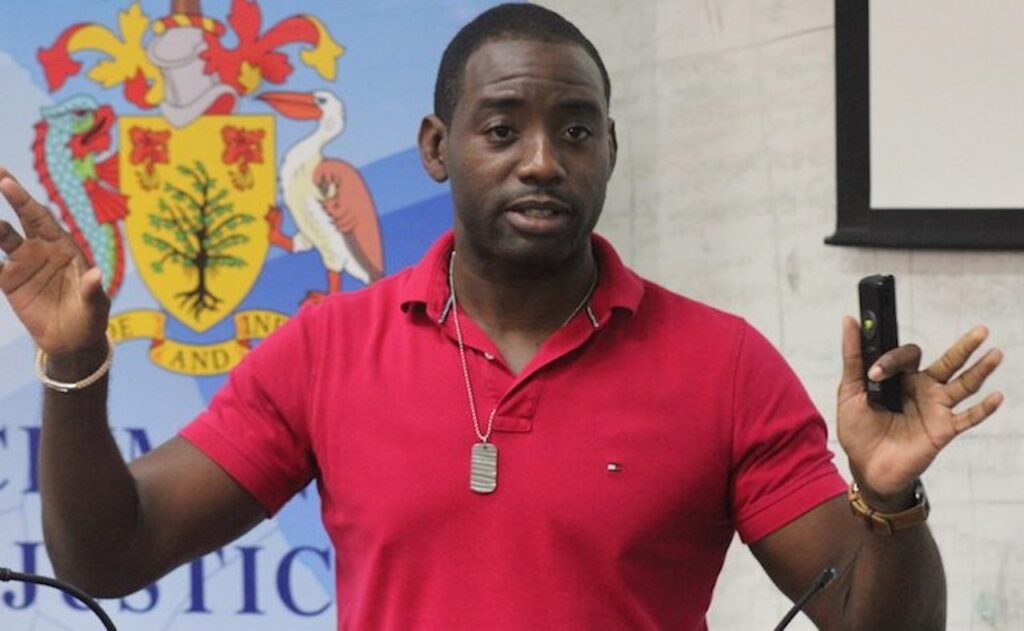
A University of the West Indies researcher has welcomed government plans to establish a specialised gun court in Barbados, saying it could help speed up justice in firearms cases.
But Professor Dwayne Devonish has cautioned that lasting progress against gun violence will depend on tackling the deeper social and economic roots of crime.
The proposal was announced on Wednesday by Michael Lashley, Minister of Legal Affairs and Criminal Justice, who outlined several new measures aimed at tackling crime, including the creation of a dedicated gun court. The announcement comes amid a wave of deadly shootings and other violent incidents recorded across the island in recent weeks.
In an interview with Barbados TODAY, Prof Devonish said: “specialised courts can play an important role in improving the efficiency of justice delivery,” he said. “By focusing exclusively on firearm-related offences, such a court could help reduce the backlog of cases, streamline case management, and ensure that matters involving serious violence are prioritised.”
According to the UWI professor, one of the major challenges currently facing the Barbadian justice system is the length of time it takes for criminal matters to move from the point of charge to final resolution.
“Delays not only undermine public confidence in the justice system but can also weaken deterrence. When cases involving illegal firearms take years to be resolved, the perception may arise that the system is unable to respond swiftly to serious crime. A specialised gun court could therefore help restore a sense of responsiveness and urgency in dealing with violent offences.”
Despite supporting the initiative, Prof Devonish warned that the measure should not be viewed as a standalone solution to the wave of violence.
“Crime, particularly gun-related crime, is rarely the product of a single factor. It often reflects a combination of social, economic and institutional pressures, including youth marginalisation, limited economic opportunities, community-level conflicts, and the circulation of illegal firearms within the region.”
Prof Devonish stressed that for any judicial reform to have a meaningful long-term impact, it must be accompanied by preventative and rehabilitative initiatives.
“Strengthening community-based interventions, expanding youth engagement programmes, investing in rehabilitation initiatives, and improving intelligence-led policing are all critical components of a comprehensive crime reduction strategy.”
“Courts deal with the consequences of crime, but long-term public safety ultimately depends on addressing the underlying conditions that contribute to violence.”
He continued: “While a dedicated gun court could help prioritise and move these cases more quickly through the system, it should be recognised that delays in the courts are part of a broader structural challenge.”
“Case backlogs often stem from multiple factors including limited judicial capacity, delays in investigations, case preparation and administrative bottlenecks.”
But without wider reforms, there is a risk that a new court could simply absorb existing pressures rather than significantly improving the pace of justice, Prof Devonish suggested.
“As such, the establishment of a specialised court should form part of a wider reform effort aimed at improving case management, strengthening prosecutorial resources, expanding judicial capacity, and modernising administrative systems across the justice sector.”
Beyond the justice system, Prof Devonish emphasised that community-based approaches must also play a central role in addressing the rise in gun violence.
“Greater investment in community policing, intelligence-led policing, and improved coordination between law enforcement agencies can help disrupt illegal firearm circulation and organised criminal networks.”
At the same time, he argued that expanding social programmes aimed at young people could help reduce the conditions that often lead to criminal activity.
“Crime prevention must therefore operate on two fronts – effective enforcement by the police and meaningful community support systems that provide young people with opportunities, mentorship and alternatives to criminal involvement.”
Prof Devonish noted that only a balanced approach combining law enforcement, social intervention and judicial reform would deliver meaningful improvements in public safety.
The post Professor welcomes proposal for gun court but urges wider reforms appeared first on Barbados Today.