Stronger, more coordinated partnerships between governments, regional institutions and international agencies are essential if the Eastern Caribbean is to withstand intensifying climate shocks, economic instability and mounting social pressures, the United Nations has warned in its latest annual assessment.
The UN Barbados and the Eastern Caribbean office’s 2025 annual results report, launched on Tuesday at UN House in Hastings, highlights the region’s vulnerabilities, including climate and economic pressures that continue to create considerable uncertainty.
The UN report demonstrates the interconnected nature of development across climate, health, food systems, justice and social protection, and reinforces that partnerships remain central to progress in the eastern Caribbean, it said.
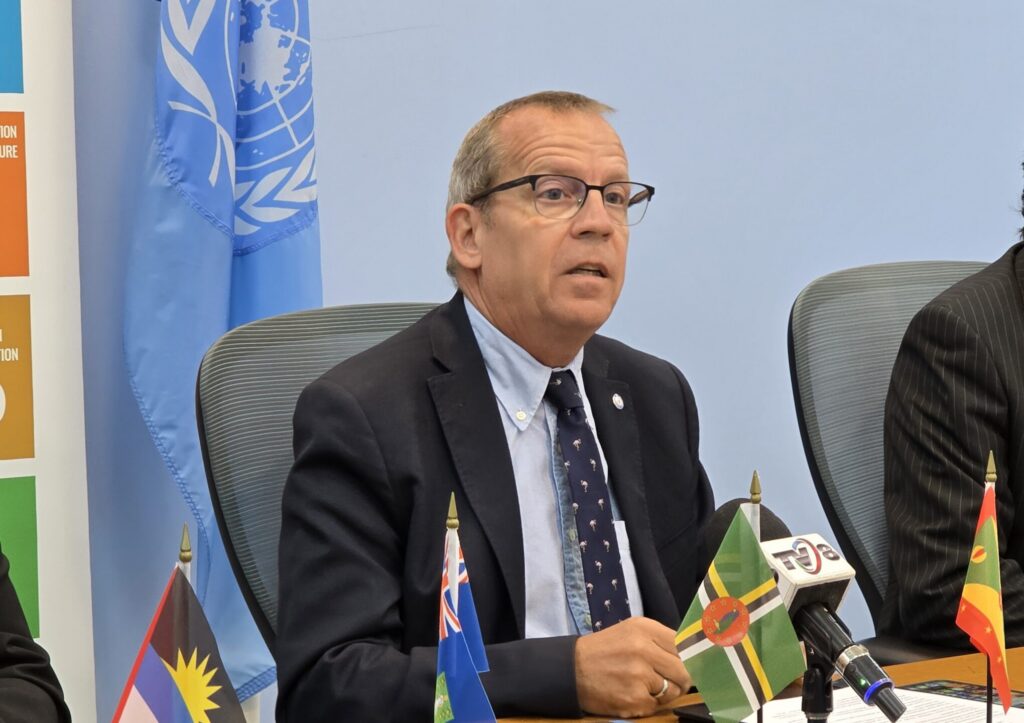
“When strong national leadership is matched with effective multilateral cooperation, real progress is possible, even in the most challenging of global environments,” said Simon Springett, the UN resident coordinator for Barbados and the Eastern Caribbean.
He stressed that partnerships remain central to development outcomes.
“Partnerships matter, whether responding to hurricanes, mobilising climate finance, supporting national reform efforts, or investing in digital transformation.
“Progress has been driven by cooperation at the community, national, regional and international levels.”
Collaboration across a wide range of actors has been key, Springett said.
“Partnerships with government, CARICOM and OECS institutions, civil society, youth networks, the private sector and our development partners have enabled scale, innovation and sustainability.”
He also described the report as a strong statement on the importance of multilateralism.
“Multilateral cooperation amplifies Caribbean voices, unlocks financing, strengthens regional systems and helps transform vulnerability into resilience.”
He noted that the UN’s work is guided by regional priorities and integrated approaches.
“Across the four strategic pillars of our cooperation framework with governments across the eastern Caribbean, the United Nations has delivered results, and we will continue to do so.
Springett added that UN support is grounded in national priorities and designed to address interconnected risks.
Chair of CARICOM and prime minister of St Kitts and Nevis, Dr Terrance Drew, in a virtual statement, underscored the importance of multilateral cooperation that reflects regional realities:
“CARICOM’s recognition of multilateral cooperation is most effective and grounded in local realities and aligned with regional priorities. Across Barbados and the Eastern Caribbean, UN agencies have supported efforts to strengthen climate resilience, expand social protection systems, advance inclusive economic growth and reinforce institutional capacity.”
Dr Drew warned that development cannot be separated from the climate crisis.
“The UN’s integrated approach under the multi country Sustainable Development Cooperation Framework demonstrates the value of climate action, disaster risk reduction, financing and social protection contains practical resilience.”
He also highlighted the importance of people-centred development and regional collaboration, with emphasis on health, youth, women’s empowerment, governance and investment.
World Food Programme country director Brian Bogart emphasised practical, community-level solutions.
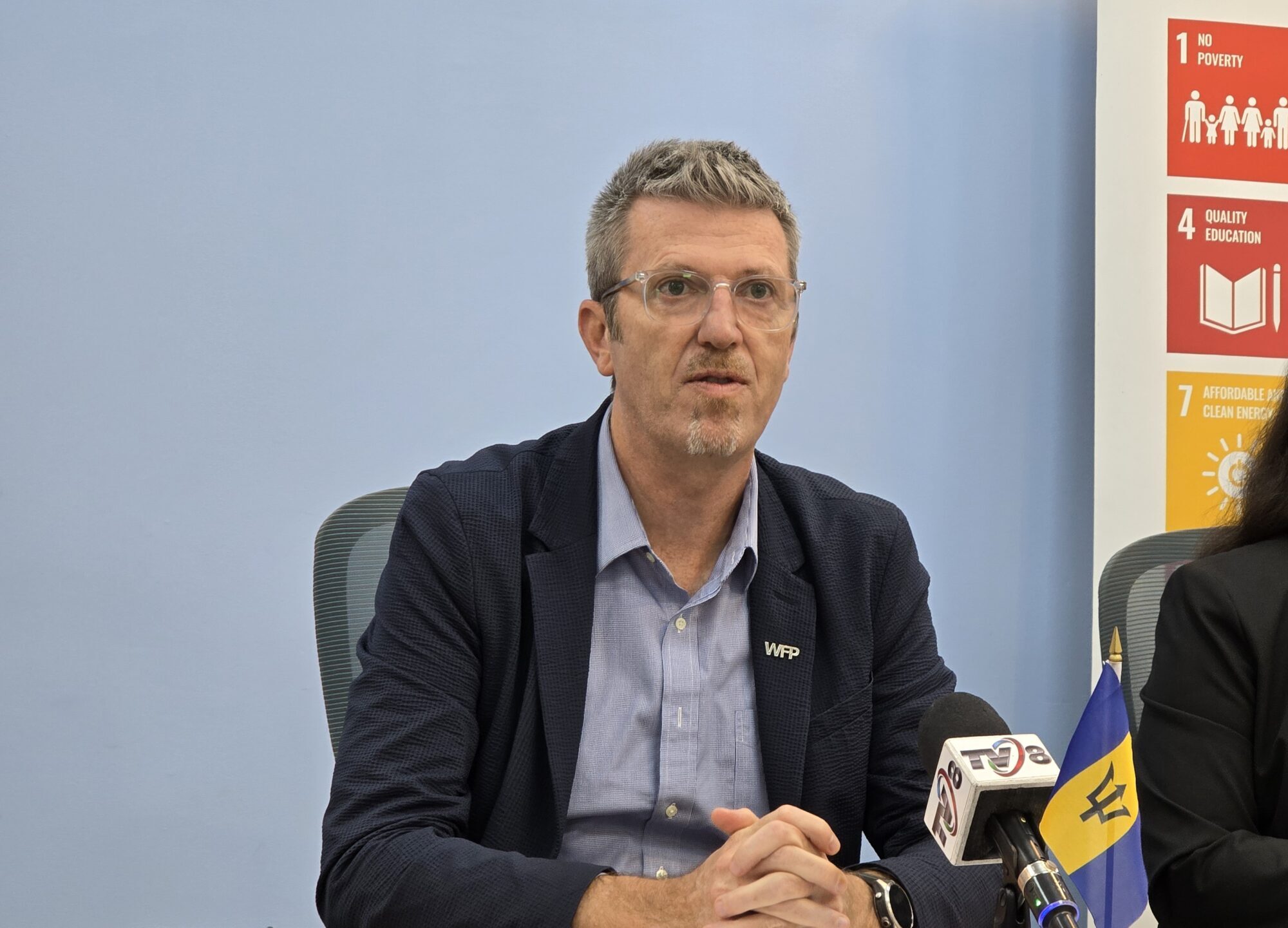
World Food Programme Country Director Brian Bogart
“We are strengthening resilience where it matters most in communities, schools and businesses. This work goes beyond policy. It focuses on the systems people rely on every day.”
He pointed to initiatives across the region: “In St Lucia, leadership on climate resilient schools is improving safety, early warning systems, and regional coordination. In Barbados, we are supporting small businesses, the backbone of the economy, by helping 30 companies develop business continuity plans.”
Bogart also highlighted environmental resilience efforts: “We’re also protecting coastal livelihoods by improving how countries manage Sargassum with new equipment deployed across five countries.”
He added that long-term sustainability depends on investment in people and nature.
“We’re supporting climate-smart agriculture, better land management, and flood protection in key farming communities.”
“Community initiatives, from restoring nature trails in St Vincent and the Grenadines to advancing a biosphere reserve in St Lucia, are linking environmental protection with livelihoods.”
Bogart said young people are central to these efforts. “Over 170 youth contributing to climate forums and shaping solutions.”
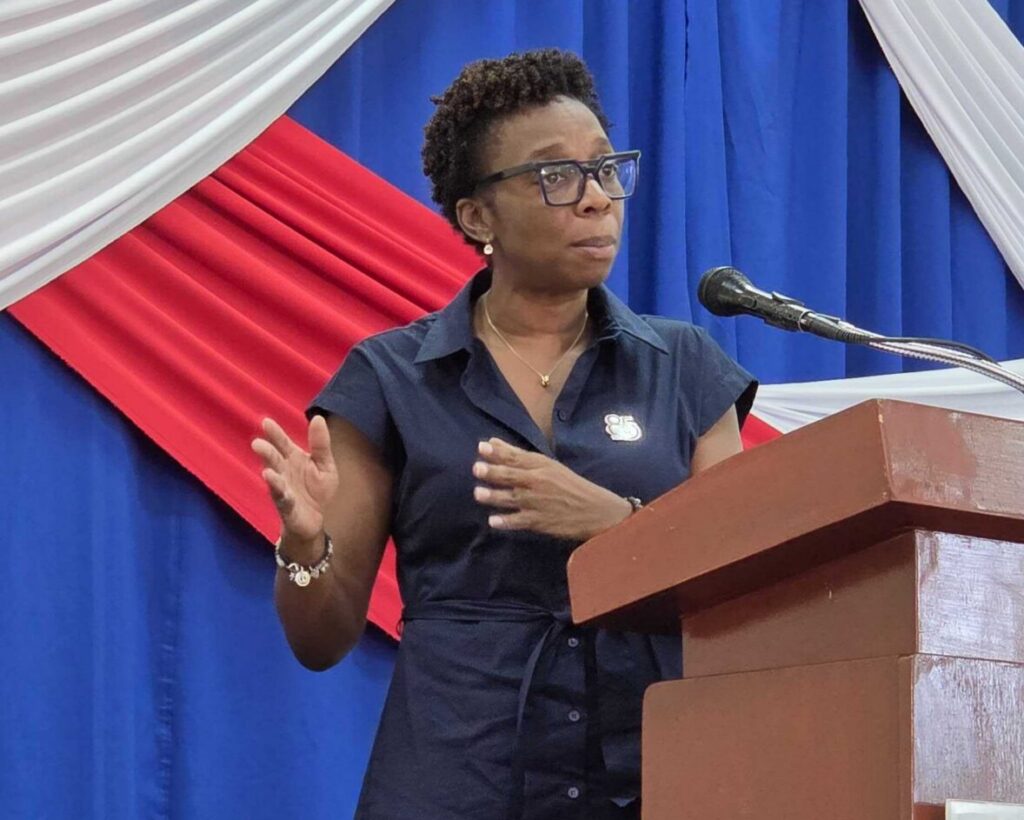
PAHO representative Amalia Del Riego highlighted progress under the One Health approach, supported by PAHO, FAO and the World Bank.
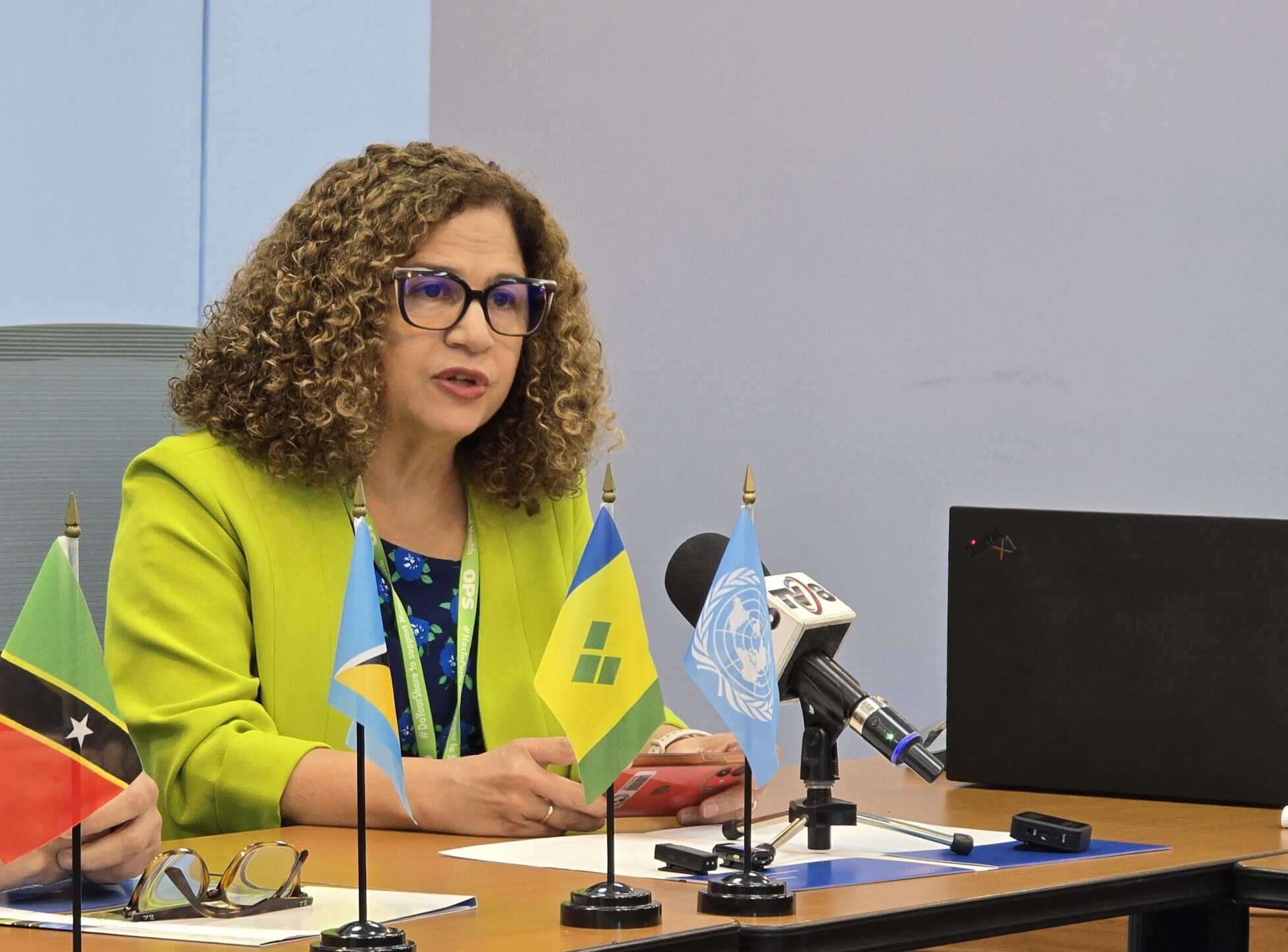
PAHO Representative Amalia Del Riego
“This flagship initiative is strengthening integrated surveillance systems, laboratory capacities, and the health workforce across the human, animal, and environmental health sectors.”
She added: “By fostering collaboration across ministries and disciplines, countries are better equipped to detect, prevent and respond to emerging health threats, reinforcing regional health security and safeguarding both lives and livelihoods.”
She also noted progress in education, inclusion and social protection.
“More than 5 000 children with disabilities and developmental challenges were supported through a more inclusive education system, while over 1 000 caregivers were trained to strengthen early childhood development.”
“Systems to prevent and respond to gender-based violence were strengthened, policies improved, and services expanded, ensuring more survivor-centred support.”
“Women’s economic empowerment programs also expanded opportunities and resilience.”
She added that inclusion remains central to UN work.
“Expanding support for persons with disabilities, strengthening child-sensitive social protection and promoting inclusive policies across sectors.”
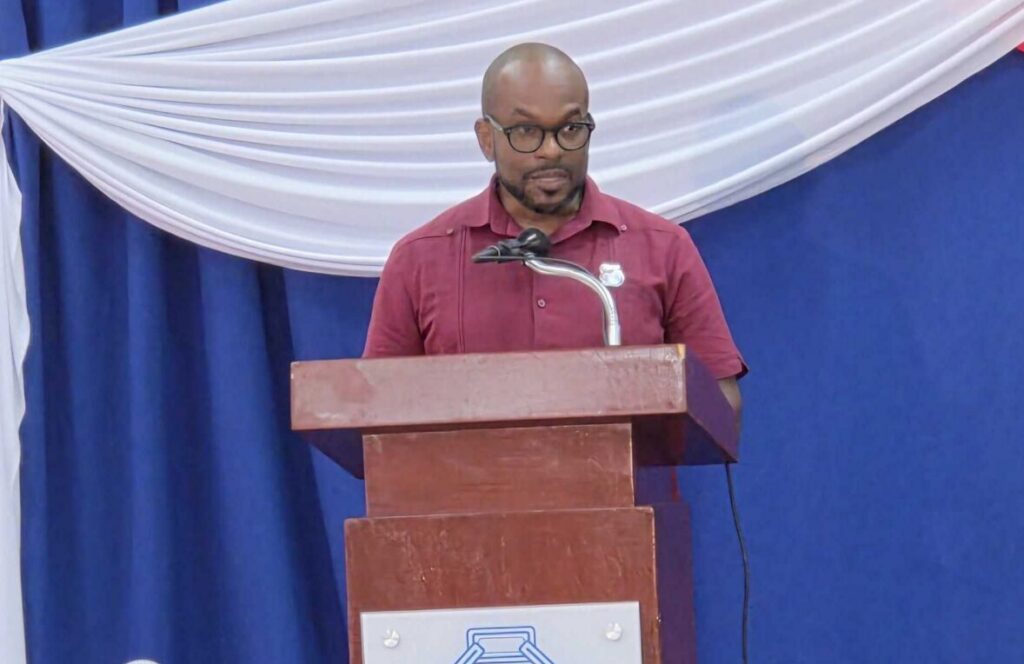
United Nations Development Programme representative Stephanie Ziebell stressed the importance of institutions and safe communities.
“A key focus of our collective work is building stronger institutions and safer communities grounded in careful analysis, partnership, and a commitment to conflict-sensitive, gender-responsive approaches.”
“Justice and safety must be accessible for everyone, especially women and girls, persons with disabilities, and people at the margins, so that no one is left behind.”
She highlighted the Canada-funded PACE justice programme, which supports justice reform across multiple Caribbean countries.
PACE has provided court equipment, digital case management assistance, crime scene investigation training, case management workshops, restorative justice tools, attorneys general coordination, standard operating procedure harmonisation, AI readiness work, and backlog reduction dialogue.
(LG)
The post UN urges deeper regional partnerships to build resilience appeared first on Barbados Today.