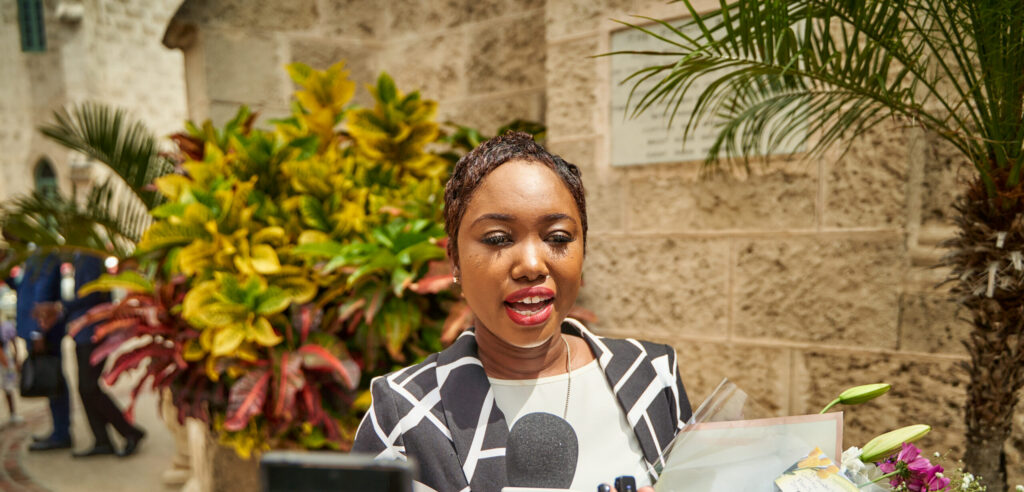
Opposition Senator Karina Goodridge has raised concerns about the risks of underfunding agriculture, warning that it leaves Barbados vulnerable amid unstable global price shocks.
Goodridge highlighted the issue during the Senate debate on the Appropriation Bill on Tuesday: “Failing to invest more in agriculture reinforces food import dependence, which increases vulnerability to global price shocks. It worsens the cost-of-living crisis.”
She further explained why this is a concern: “It leaves the country exposed during crises such as pandemics, and they can’t tell us when the next pandemic will come.”
She urged proper preparation to protect the country from the instability associated with these life-altering events.
“External shocks like oil prices and global conflict—even though we can see that there’s even Caribbean conflict—can quickly affect food and import costs.”
Senator Goodridge pointed to Barbados’ inflated food import bill.
“Barbados imports a large share of its food, as I said, yet agricultural funding has not matched this great urgency for climate change, supply chain disruptions and rising global food prices. So that is a concern.”
The Friends of Democracy leader also recalled proposals made during the party’s campaign to strengthen agriculture.
“We even talked about having coconut water vendor villages, and that is a great idea because all of that we would have taken into consideration and putting that in the funding.”
She underscored the government’s responsibility to the Barbadian people.
“The people of Barbados expect that every single dollar that’s spent makes sense, we have a return, and that every proposal that is placed before the Senate is carefully examined, rigorously tested and honestly assessed… We are operating within a global environment that is far from stable. Global conflicts are happening, the international economy remains uncertain, oil prices continue to fluctuate unpredictably. Supply chains are still recovering from disruption, and geopolitical tensions remain elevated.”
She stressed that small island developing states like Barbados are not exempt from these external pressures.
“There are real consequences for the cost of living, for economic growth, and for fiscal management.”
While acknowledging the government’s efforts to navigate the current environment by avoiding new broad-based taxes, she pointed to measures aimed at easing energy costs.
“It has implemented measures aimed at cushioning the impact of rising energy costs. Energy, as expected, was a central focus. The government’s decision to hedge oil for the next three months is a prudent move… offering a measure of short-term stability in these, I would say, volatile times.”
But while she also recognised public relief efforts, she questioned whether they are truly making a difference.
“Acknowledgement must not be confused with endorsement because while macroeconomic indicators may suggest stability, the lived experience of the average Barbadian tells a different story. The cost of living does remain high. Households continue to feel pressure. Relief where it is promised often arrives late or insufficiently.”
She therefore questioned the overall impact of the budget: “Does this budget truly improve the lives of the people of Barbados, is my question today, or does it merely create the appearance of progress?”
The post Underfunding agriculture ‘increases vulnerability to global shocks’ appeared first on Barbados Today.