
A major regional effort is under way to strengthen pandemic preparedness and reduce the spread of mosquito-borne diseases such as dengue, zika and chikungunya in the region.
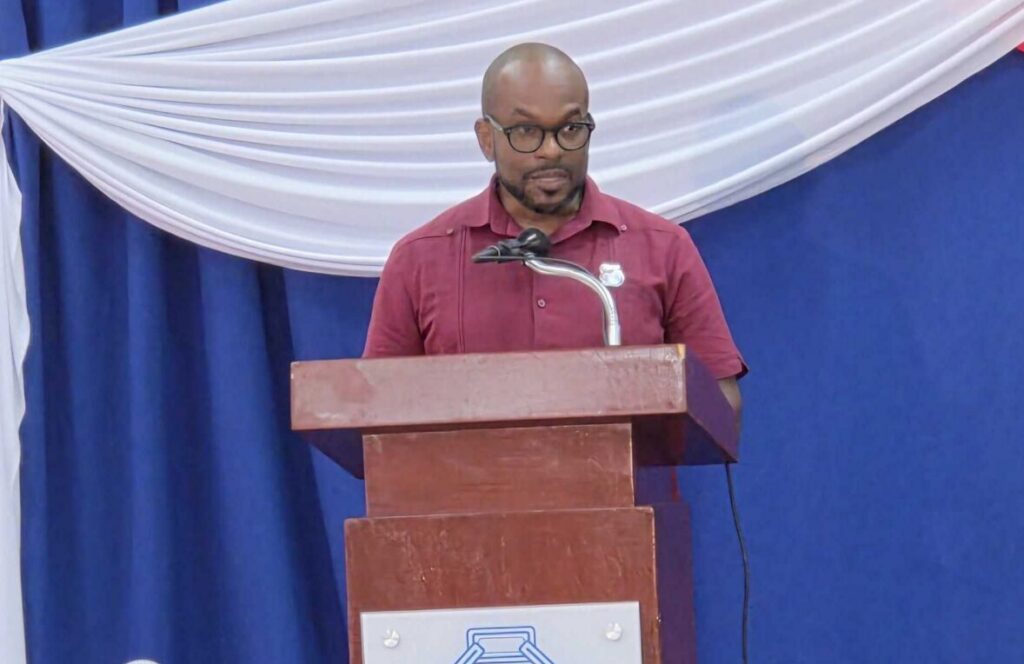
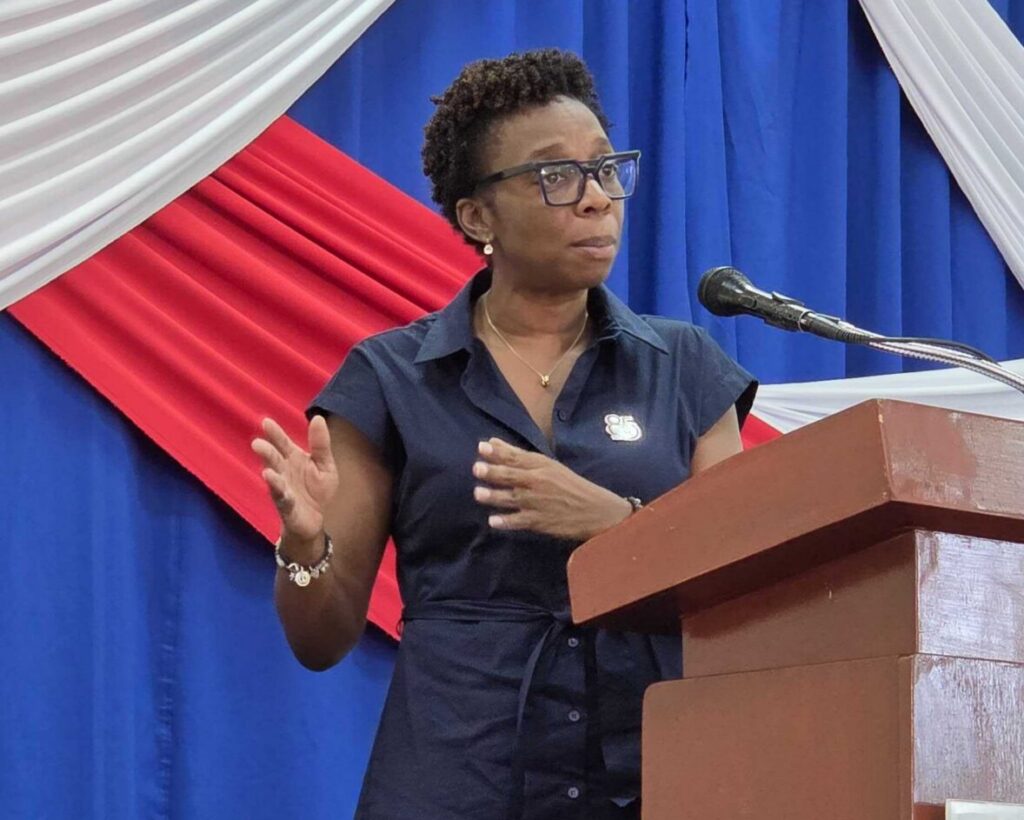
Dr Roshan Parasram, head of vector-borne diseases at the Caribbean Public Health Agency (CARPHA), outlined the project yesterday during CARPHA’s launch of Caribbean Mosquito Awareness Week via zoom from Trinidad and Tobago.
Under the theme Stop Disease Transmission, Start Source Reduction, it brought together stakeholders from across the health sector along with students and teachers, with discussions around source reduction and practical solutions to aid in decreasing the risk of mosquito-borne illnesses.
Preparedness project
Parasram said the initiative formed part of a wider 2024-2026 pandemic fund preparedness project aimed at strengthening prevention, preparedness and response across the region.
The campaign also places strong emphasis on school participation, with students and teachers involved in interactive learning, health education and practical activities that promote source reduction, and encourage the preventative habits to be taken in their homes and communities.
“You will engage in a guided insectary tour, hands-on source reduction demonstration, treatment techniques displays, personal protection, education and showcases of innovative technologies such as geographic information systems, which are maps, drones, surveillance apps and adult-level traps,” he explained.
Parasram also spoke of a health ambassador programme, where selected schools and students will work with public health inspectors on mosquito monitoring and report findings to
their respective health agencies across the Caribbean and CARPHA.
Medical officer in the Ministry of Education of Trinidad and Tobago, Dr Matthew Desaine, said that preventing mosquito-borne diseases must begin in homes, schools and communities through everyday actions such as removing stagnant water and maintaining clean surroundings.
He said regional collaboration was essential, noting students had a key role to play as “agents of change” by promoting practices and encouraging source reduction within their households and communities.
“When our students are engaged in health education, environmental stewardship and community action, they become the messengers of prevention. They remind us adults sometimes that we need to empty the water containers. They are the ones looking out for the breeding sites. They participate in the clean-up campaigns. They remind us to help to build a culture of responsibility,” he said.
(AJ)
The post Project aims to reduce spread of dengue, zika appeared first on nationnews.com.