
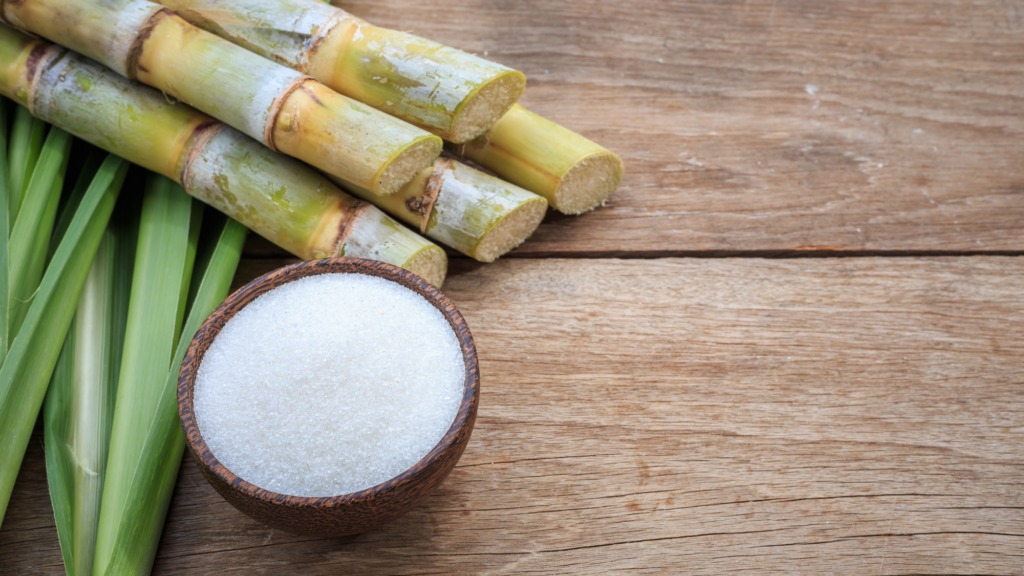
Barbados’ sugar cane industry cannot be easily divorced from our economy so matter how many other competing revenue generators are developed. The sector is simply too deeply interconnected to some of the worst parts of the island’s history of slavery and plantocracy, our finance, culture, and the country’s ecology.
Even though sugar’s role in the economy is much smaller today than it once was, sugar remains important to many farmers, workers and businesses. For these reasons, the announcement of another restructuring of the industry should attract our attention.
Minister of Agriculture Dr Shantal Munro-Knight this week indicated that the focus of the latest restructuring effort will be on improving yields, crop quality, and the long-term sustainability of the sector. She described the process as a strategic “right-sizing” of sugar cane production.
The fact that this is the second restructuring effort in two years shows the challenges confronting the industry and how difficult it is to come up with a lasting solution.
The current crop season has already been disrupted by shutdowns at the Portvale sugar factory. These have been caused by mechanical problems and labour disputes. Farmers have complained about delays in the factory’s acceptance of harvested cane, while workers have raised concerns about union recognition and working conditions. These issues have affected people’s confidence in the industry and placed a spotlight on weaknesses in management and operations.
Around the world, the sugar industry has changed dramatically. Sugar prices on the world market have fluctuated constantly, and the shifts depend on developments among major producers such as Brazil, India and Thailand. These countries benefit from economies of scale and lower labour and production costs.
International trade policies have also affected us. In the past, Barbadian sugar producers benefited from protected access to European markets under preferential trade agreements. Those arrangements provided stable prices and guaranteed markets. However, changes in global trade rules and reforms in the European Union sugar market significantly reduced those advantages. Many Caribbean sugar industries have struggled ever since.
Barbados also faces high production costs. In addition, climate change has introduced new uncertainties, such as unpredictable weather patterns. These all combine to make it difficult for the industry to compete purely on the basis of bulk sugar production.
Against this background, the government’s decision to review and restructure the industry again may be necessary. The Minister is correct to focus on productivity and crop quality. If the industry is to survive, it must become more efficient and produce higher-quality product.
There also has to be an honest discussion about the right scale at which we can realistically operate, given dwindling interest by cane farmers and the rising demand for housing, which inevitably encroaches on farmland.
We must also concede that restructuring alone will not guarantee success. Barbados has restructured the sugar industry several times before, yet many of the same problems reappear. Questions will naturally arise about whether this latest effort will produce different results. How will sugar production be financed, and what role will the government play?
There is also the human side of the issue. Workers and farmers who depend on the industry may worry about what “right-sizing” could mean in practice. In many cases, restructuring generates fears of job losses, reduced acreage, and further changes in ownership and/or management.
At the same time, the country must think more about how sugar cane can contribute to the economy. The future of the industry may depend less on sugar exports. By-products of sugar cane, renewable energy, speciality sugars, and rum production must be included in the conversation.
None of this will be easy. But abandoning the industry altogether should not be on the table. Sugar cane can still play a role in protecting the landscape and preserving an important part of our history and culture.
The challenge is to strike a balance between what we have traditionally expected from this industry and the economic realities before us.
The latest restructuring effort should be transparent and inclusive of all those who have an interest in the industry’s continued existence.
The post EDITORIAL: Hope, hard choices for sugar appeared first on Barbados Today.