
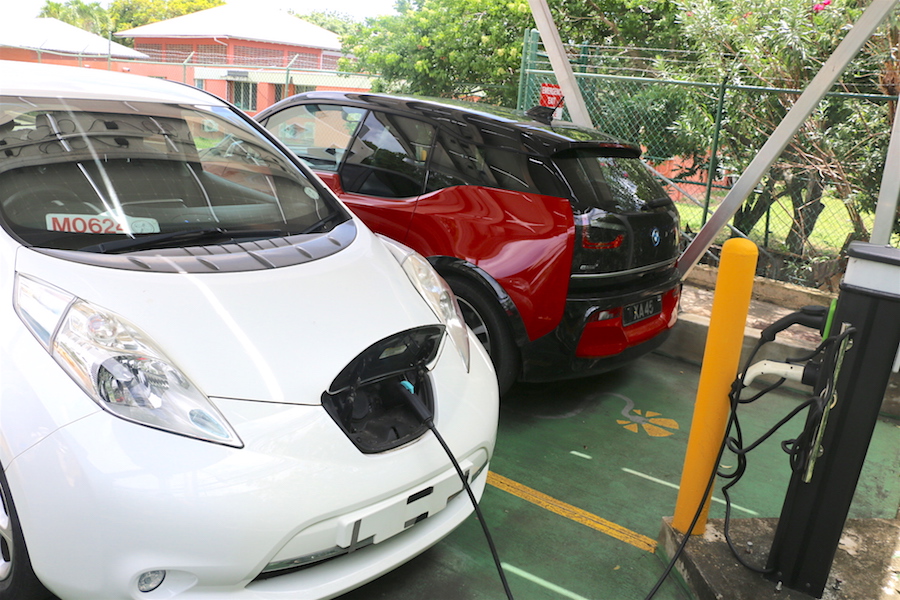
Barbados is making impressive progress in the transition to cleaner transport. The latest figures show that electric vehicles (EVs), hybrids (HEVs) and plug-in hybrids (PHEVs) now account for about 70 per cent of all new vehicle sales.
This is a remarkable shift and shows that Barbadians are embracing the new technology that can reduce fuel bills, cut harmful emissions and decrease the country’s dependence on imported oil.
This is a positive development that should be recognised. It shows that with the right policies and incentives, people are willing to make changes. The government should be credited for introducing tax concessions that have led to more motorists purchasing electric and hybrid vehicles.
As Caribbean Automotive Retailers chief executive officer Brent Murphy said: “The incentives are very good for Barbados. I think Barbados is probably one of the best adopters of EVs in the region.”
The difference in taxes between electric vehicles and traditional gas-powered vehicles has clearly influenced consumer spending habits. Lower excise taxes and import duties have made EVs more affordable, allowing more people to consider vehicles that were once viewed as out of reach.
Another encouraging sign is that manufacturers are now offering more affordable electric models. Previously, EVs were mainly luxury vehicles, but today there are options available at prices close to what Barbadians are accustomed to.
The financial advantages go beyond the purchase price. The rising cost of fuel continues to hit hard, making electric vehicles even more attractive. Murphy highlighted one of the biggest advantages when he said: “The savings on fuel is about 75 per cent compared to a regular internal combustion engine.”
For owners who charge their vehicles at home, especially with electricity generated from solar panels, the savings can be even greater. In addition, confidence in electric vehicles is also growing because of improvements in technology. Longer battery warranties, better driving ranges and increased public knowledge have eased many of the concerns many people had.
The island now has the largest fleet of electric buses in its public transport system in the region. These buses highlight that the move towards cleaner transport is not limited to regular citizens. The days of driving behind Transport Board buses chugging out black smoke from diesel engines have literally disappeared from our roads.
But while this success should be celebrated, we should not ignore the obvious future challenges. Every advancement brings new responsibilities and challenges, and electric vehicles are no exception.
One of the most important concerns is the disposal of lithium-ion batteries when they reach the end of their useful lives. These batteries contain materials that are harmful if they are not handled correctly. Improper disposal may contaminate the environment and create fire hazards. As more electric vehicles enter the market, the number of used batteries will steadily increase.
Industry experts are already sounding the alarm. Platinum Motors general manager Mark Hamilton warned: “Those two specific items are things that need to be addressed,” referring to battery disposal and the associated environmental concerns. His warning should not be ignored.
We have worked hard to build a reputation as a clean, green island. Protecting that reputation means planning for the future. Unfortunately, the country does not yet have strong, comprehensive environmental laws and systems specifically designed to manage large numbers of discarded electric vehicle batteries. Waiting until the problem becomes urgent would be a big mistake.
The government should work with its environmental agencies, vehicle dealers, and recycling experts to build out clear regulations for battery collection, storage, transport and recycling. Vehicle importers should also share responsibility for ensuring that old batteries are safely managed rather than ending up in the landfill, in gullies and watercourses.
The transition to cleaner transport should not create a new environmental problem while solving another. Careful planning from beginning to end is needed. Every stage of an electric vehicle’s life cycle, including the disposal of its battery, should be managed carefully.
The increasing popularity of EVs is good news for Barbados. Lower fuel costs, reduced emissions, improved technology and supportive government policies have placed the island on the right path.
The next step is just as important. As we celebrate our achievements, we must also improve environmental laws and develop proper systems for battery disposal and recycling to truly have a sustainable island for generations to come.
The post EDITORIAL: Embracing EVs while protecting the environment appeared first on Barbados Today.