

A fishing community spokesman has welcomed the government’s proposed emergency boat haul-out upgrades at the Bridgetown Fisheries Complex, but said fisherfolk need a firm construction timetable before the new fishing season begins.
President of the Black Fin Fleet Co-operative Society Moonesh Dharampaul told Barbados TODAY he was relieved that long-standing concerns about coastal infrastructure were being addressed, particularly after the severe disruptions caused by Hurricane Beryl.
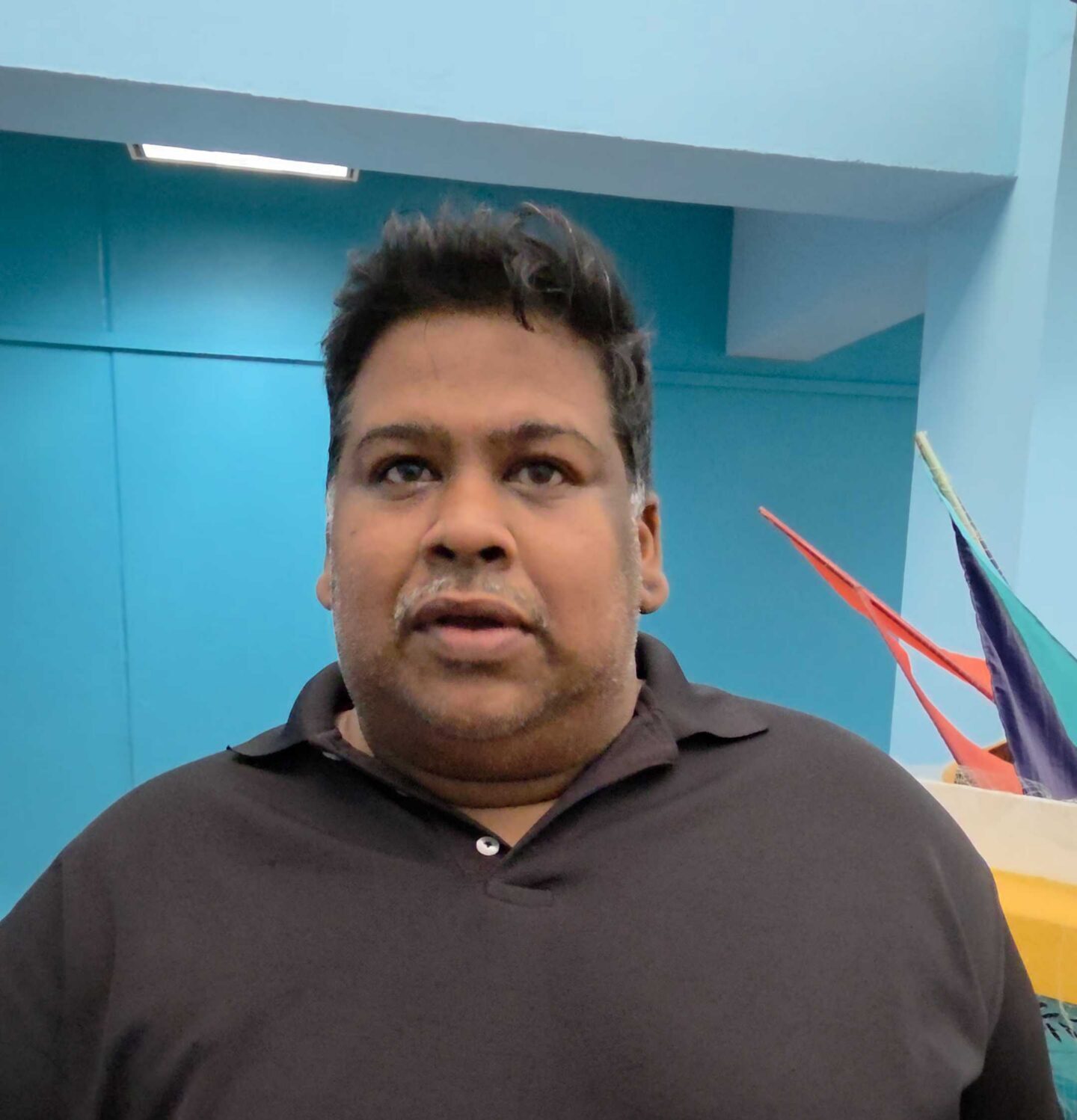
President of the Black Fin Fleet Co-operative Society Moonesh Dharampaul. (Photo Credit: File Photo)
He said: “The addition of a haul-out facility and a slipway in the Bridgetown complex will go a long way to addressing some of the long-standing issues that we’ve had in the industry, especially when it comes to getting boats out of the water in a timely fashion, whether it would be in response to bad weather or just general maintenance at the end of the day.”
But he suggested the initiative’s success depended on a clear implementation plan and called on authorities to publish a construction schedule.
“The only challenge now is when. When will the projects be started and how soon can we see these improvements? That’s the only question we would have. What we would like to see is a chart or a schedule of when things are supposed to be happening so that the fishermen can have a better idea of how to manoeuvre themselves.”
The planned multi-million-dollar upgrades came after Coastal Zone Management Unit (CZMU) Director Dr Leo Brewster confirmed that extensive delays during preparations for Hurricane Beryl left vessels and operators in a vulnerable position ahead of severe weather.
The existing arrangements rely on a single crane to sling, lift and clear each boat individually, creating a major bottleneck when waterlogged or partially submerged vessels needed time to drain before they could be moved safely.
To address these delays, the proposed system for the Bridgetown Fisheries Complex features a specialised travelift — commonly referred to as a tummy lift — operating alongside a wide traditional slipway from a dedicated finger pier. This arrangement will allow large commercial vessels and smaller private craft to be hauled out at the same time.
Dharampaul said fisherfolk had been consulted on the initial design concepts and expressed confidence that the proposed machinery would accommodate the largest vessels in the national fleet.
“We were shown diagrams of . . . how it would come together,” he said. “I believe the lift that they have is going to be able to lift up to 54 tonnes in terms of the boats, which would represent one of the largest boats that we have, Lady Carmen. So, we are looking forward to having these things put in place. I think it’s timely.”
He acknowledged that limited space within the capital’s main port area remained a key design challenge, but said he was optimistic about the wider dockside improvements planned.
“Obviously, space is a limitation in the Bridgetown complex, so we would just be hoping from a design standpoint that it is fit for purpose and gives ease of accessibility. The complex in Bridgetown is a tight space, but this is well needed.
“I understand that they’re going to have some other facilities in that they have better electricity and stuff on the dock and different amenities that are going to be coming. So, we look forward to these improvements.”
The CZMU’s overhaul forms part of a wider climate-adaptation plan intended to safeguard maritime assets, improve coastal resilience and protect livelihoods. Dr Brewster said future coastal construction must balance structural strength with the ability to remove vessels quickly.
“Structure, in terms of building for resilience, is something that we also have to give a lot of consideration for as well,” Dr Brewster said during a tour of the fisheries facility. “The intention with the travelift is supposed to be that the vessel can actually sail onto the straps. You lift it up, and then that lift moves and takes it to a location where it can then be placed on either a trailer or the supports.”
Dr Brewster said integrating the travelift with a slipway would provide an alternative during emergency evacuations.
“It will provide two different opportunities to work simultaneously, instead of just having one crane that’s going to take time to actually lift, to sling a vessel, lift it, place it, and then move it along the way,” he said. “In the meantime, there’s also supposed to be a slipway for the smaller vessels to be able to use — to be able to, if you have a trailer for those vessels, to then have them actually come up onto those and then be taken away as well.”
The project also involves building an onshore boat park next to the haul-out facility to support long-term vessel storage. The structures in the boat park will be engineered to carry repeated heavy loads from both the travelift and loaded vessels of varying weights.
But officials warned that structural upgrades alone would not guarantee safety during severe weather without early cooperation from vessel owners. Referring to estimates previously set by late Chief Fisheries Officer Dr Shelly-Ann Cox, Dr Brewster said clearing the harbour required significant lead time.
“From what I remember Shelly saying, it’s about four days, as long as all the vessels are in place and they need to move,” Dr Brewster warned. “It can’t be that you determine at the last minute to come in. But if these are here, you can move them, and you can get synchronicity in what you’re doing. Hopefully, it will take about four days to move the majority.”
(RR)
The post Boat haul-out plans welcomed but timeline sought appeared first on Barbados Today.