Barbados is facing renewed public health risks from vaccine-preventable diseases as global outbreaks and increased travel expose gaps in regional immunity, prompting officials to intensify surveillance and vaccination efforts.
Despite recording progress in its vaccination coverage, health officials urged robust surveillance protocols to monitor vaccine-preventable diseases (VPDs).
This comes as vaccination activities were ramped up this week, with health authorities intensifying the national immunisation campaign and taking services directly into communities through a series of polyclinic open days.
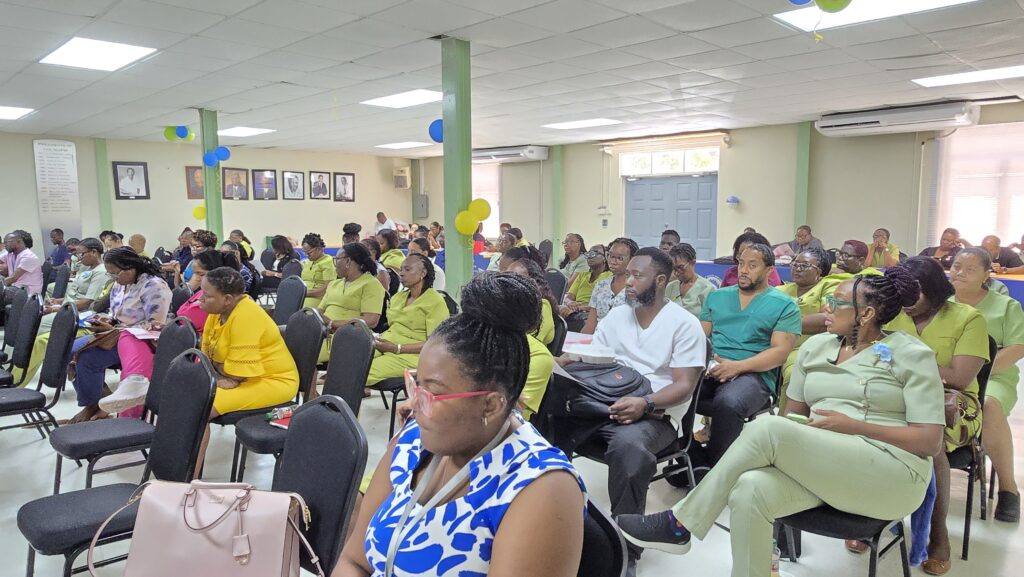
Chief public health nurse Larond Hyland told public and private sector nurses that while Barbados was previously highly successful in its immunisation programme, the country is now in a recovery phase. She also pointed to regional vulnerabilities linked to international travel.
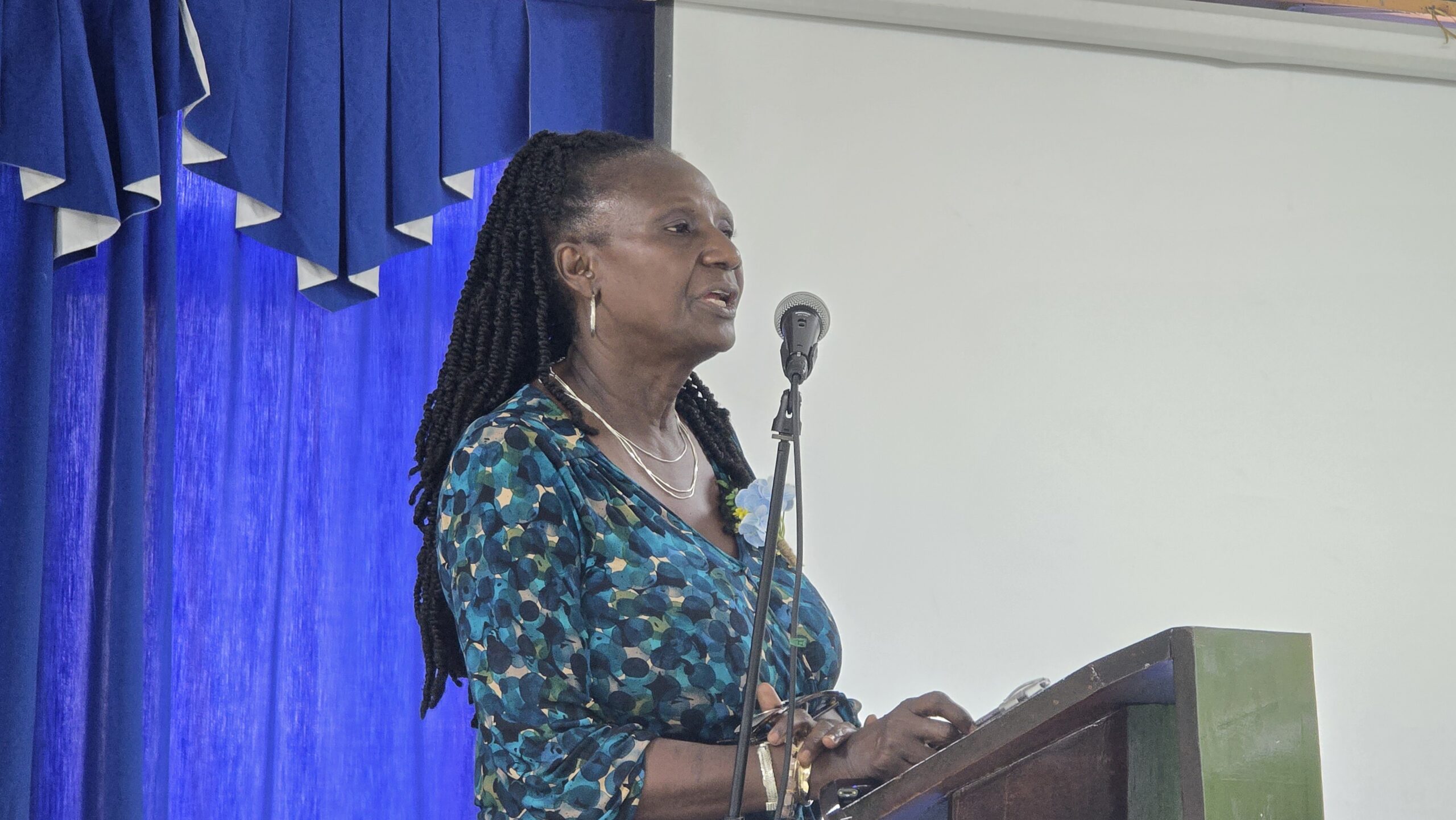
Chief Public Health Nurse, Larond Hyland.
“With respect to vaccine-preventable diseases, Barbados as the rest of the Caribbean has been very successful in our immunisation programs over the years; however, we have seen a decline and we are in a phase of recovery which we need to strengthen. If we are to achieve herd immunity, the 95 per cent coverage which is so important in protecting the most vulnerable with respect to measles.”
She told a training seminar at the National Union of Public Workers in Dalkeith on Wednesday, that the United States and Canada have lost their elimination status due to sustained outbreaks.
“We in the Caribbean so far we haven’t had that yet, but because of tourism, we are vulnerable. We are very vulnerable, and we need to remember that.”
Hyland stressed that infants remain the most at-risk group.
“They are unvaccinated, and should we have imported cases and it gets into that particular cohort, you imagine the type of trouble that we are in.”
She further emphasised that strengthening vaccine-preventable disease surveillance is essential to maintaining Barbados’ public health gains, particularly as global risks remain elevated.
Hyland pointed to measles and polio as priority diseases under active monitoring, noting that elimination efforts require consistent vigilance and verification:
“Measles is very contagious and also because we’ve been monitoring measles for the last probably 25 years easily, but we also monitor it because it’s one of the diseases that we are trying to eliminate.”
Polio surveillance remains critical, even though most severe cases present in hospital settings, she added.
Hyland explained that laboratory confirmation is central to the surveillance process, with samples routinely collected to verify suspected cases and assess the effectiveness of the immunisation programme.
“Every year PAHO expects us to submit a certain number of sample tests per person. This is actually a laboratory-confirmed test to verify whether persons presenting with these symptoms had either of those two diseases. In a nutshell, that is what the vaccine-preventable disease surveillance is about, and it gives us information about the performance of our immunisation programme.”
“For example, if you start getting lots of persons presenting with polio who have had the polio vaccine, that tells us something about our program, does it not? Same thing with measles, so one of the things that you tend to verify very early, as you gather the information on whether the person is vaccinated or unvaccinated.”
Hyland also called on all healthcare workers to strictly follow established protocols, particularly in suspected rash and fever cases:
“I hope that everybody in the polyclinic knows that when a person presents with a certain type of rash and fever, they need to fall under the rash and fever protocol. It’s not just the doctors, its all healthcare providers.”
She also highlighted the importance of private sector cooperation in early detection and response, given Barbados’ exposure through tourism.
Hyland revealed a recent case involving an unvaccinated visitor, noting the urgency such situations create for public health systems.
“There was a child from the United Kingdom who was unvaccinated, who presented at a private healthcare facility with symptoms of measles. It was almost like sheer panic, and it forces us to recognise, we may have the perfect plan in the public sector. But we also need you our colleagues from the private sector, because chances are the UK visitor who is coming with measles to Barbados is not going to go to a polyclinic…not going to go to Accident and Emergency unless they can’t go anywhere else. Every link in that chain is important.”
Hyland further referenced guidance from the World Health Organisation, reinforcing the importance of vaccination in global public health.
“Vaccines are the most important public health intervention in history, full stop.”
She encouraged healthcare workers to remain engaged and proactive in strengthening surveillance systems.
(LG)
The post Surveillance ‘critical’ as vaccine defences strengthened appeared first on Barbados Today.