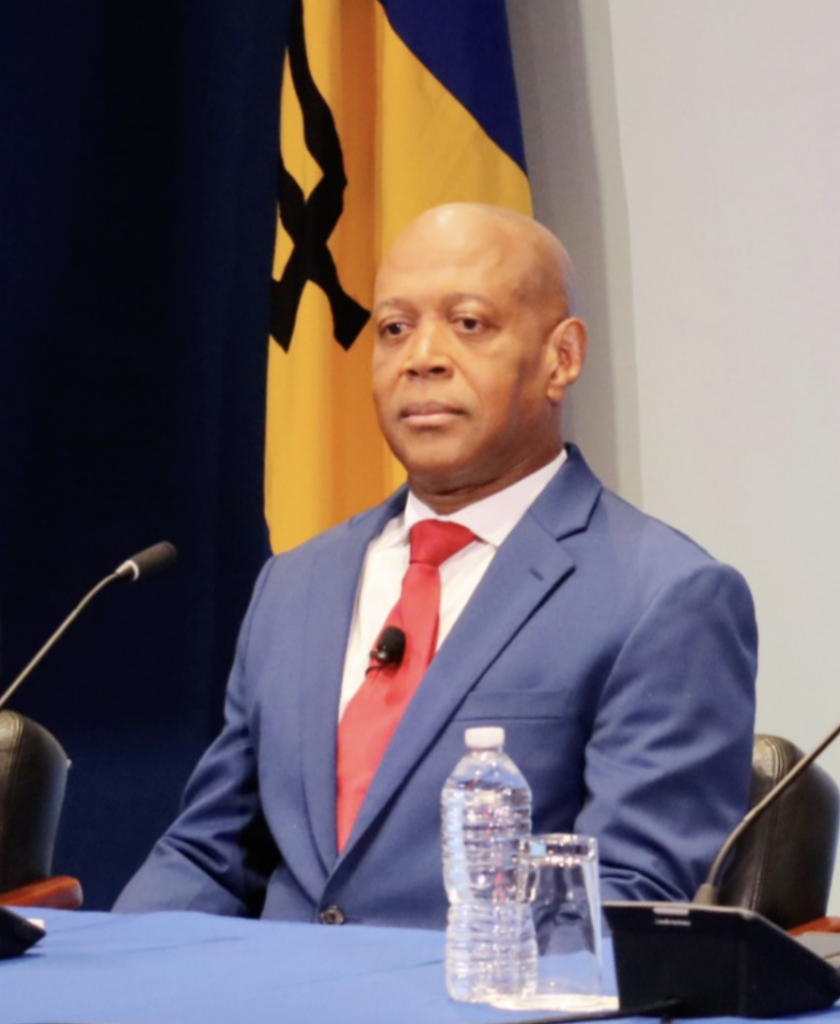
The Barbados Union of Teachers (BUT) has called for better healthcare, more manageable workloads and additional leave following the deaths of four educators under the age of 50.
At a union reception, president Rudy Lovell warned that growing demands on teachers were taking a toll on their health and well-being.
He said: “Teachers are human beings before they are educators. They work long hours, their bodies become exhausted, and their minds are overworked. But amidst these challenges, they often carry their worries silently.”
Lovell questioned the value of education reform if teachers were not benefiting from the changes.
“What is the value of transforming the curriculum, modernising technology and reforming policy if the people responsible for delivering that transformation are themselves not benefiting from its implementation?
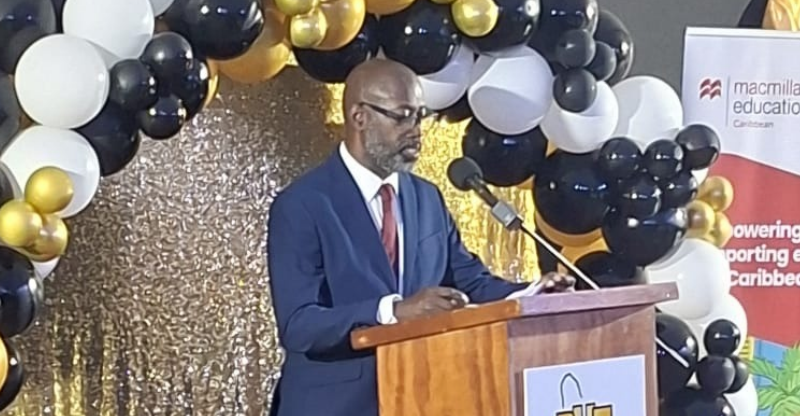
President of BUT Rudy Lovell (Photo by: Lourianne Graham)
“We are not machines. There are only 24 hours in a day. We cannot simply be programmed to teach more, mark more scripts, document more, report more, supervise more, attend more meetings, attend hastily organised training sessions, teach four different reading programmes, complete more forms and take on more responsibilities, without consequence.”
He urged teachers to consider medical coverage, preferably through the union’s major medical group health insurance plan, and suggested the government contribute to the scheme.
Health insurance was not a luxury, he said, particularly when “timely access to healthcare is challenging”.
Lovell called for free or subsidised eye examinations, dental care and other medical benefits, alongside regular mental health screenings, counselling and stress-management programmes.
He also urged the government to increase the three free counselling sessions available annually to public workers.
“We must not wait until teachers reach a breaking point before asking how they are coping,” said Lovell.
He proposed designated wellness spaces in schools where teachers could take a break from their duties: “Imagine if every school had a designated space where a teacher could step away for a few minutes, breathe deeply, stretch, walk, exercise or simply reset.
“It does not have to be extravagant. It could be a shaded outdoor area, a small fitness room, a quiet wellness space or a place where teachers can pause. These modest investments could send a powerful message: ‘Your well-being matters to us’.”
Lovell called for more manageable workloads, adequate planning time and meaningful consultation with teachers. He warned that administrators were continually adding responsibilities, reading programmes, forms, committees, meetings and deadlines to already demanding schedules.
“Sometimes, one additional task becomes the straw that breaks the camel’s back,” he said.
The union wants principal-sanctioned leave increased from two to four days a year, giving teachers more time to address urgent personal matters, care for ill relatives and manage emergencies.
Lovell said teachers often struggled to attend to personal business because their working hours, from 8:45 a.m. to 3 p.m., coincided with most businesses’ opening hours.
“Sometimes, teachers do not need another lecture about resilience; they simply need a day to breathe,” he said.
The BUT will continue to press for timely payment of salaries, increments and allowances, as well as government loans at reduced interest rates.
It also wants access to electric vehicles at reduced duties beyond 2029 for long-standing educators.
“These measures could ease financial strain, recognise long service, help retain experienced educators and address the rising cost of living. And yes, a salary increase would also be welcome; it is long overdue!” Lovell said.
He reiterated the union’s opposition to increasing the pensionable age, arguing that extending retirement to 68 would unfairly disadvantage teachers.
The profession’s physical and emotional demands could force educators to work beyond their capacity, he said. He also raised concerns about opportunities for younger people entering teaching.
Lovell warned that those opting for an early pension at 63 could lose more than a third of their monthly pension.
The union believes teachers should retire at 60, taking account of their years of service, health and the demands of the profession.
Lovell also reiterated concerns about proposed education policy changes, including service contracts, the possible classification of teachers as independent contractors, extending the school day to 4.30 pm and introducing a teacher licensing system.
He warned that these measures could “increase teachers’ workload and psychological pressure and contribute to chronic fatigue, burnout, anxiety, sleep disturbances, and other stress-related illnesses, affecting teachers’ physical and mental well-being. The introduction of these measures could also result in disruption to the teaching and learning process.”
The union is also seeking a full-time, paid union officer to strengthen its representation and make support more accessible to teachers facing workplace challenges.
Lovell said education transformation should be judged by teachers’ well-being as well as conventional measures of progress.
He continued: “Let us measure success not only through examination results, buildings constructed, devices distributed or policies approved, but also through teacher well-being, reduced burnout, healthier workplaces, stronger support systems, adequate rest, access to healthcare and the ability to care for families.
“Teachers should look forward to another school day with purpose, not dread
“We must move from asking, ‘How much more can teachers do?’ to asking: ‘What do teachers need to continue doing their very best?’”
“The transformation of education begins with transforming the conditions in which educators work. Let us commit to never asking teachers to sacrifice their health to prove their commitment to education.”
(LG)
The post Union calls for teacher wellness measures appeared first on Barbados Today.