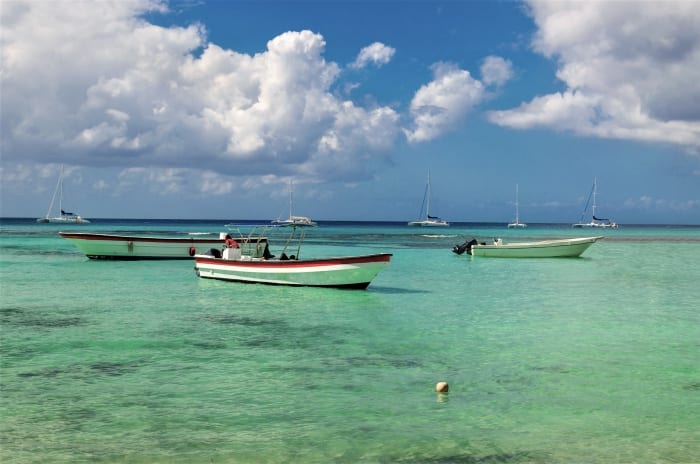
A nationwide emergency drill to move Barbados’ fishing fleet out of harm’s way has exposed the scale and urgency of hurricane preparedness, as the fisheries industry races to prevent a repeat of the losses caused by Hurricane Beryl in 2024.
The proactive measures come as the fishing fleet continues its steady recovery following Beryl, which severely crippled the island’s maritime infrastructure and decimated a significant portion of its seafaring vessels.
Dr Shelly Cox, chief fisheries officer, emphasised that the industry has taken an aggressive stance on disaster readiness, recognising that preparation must be a collaborative and highly synchronised effort.
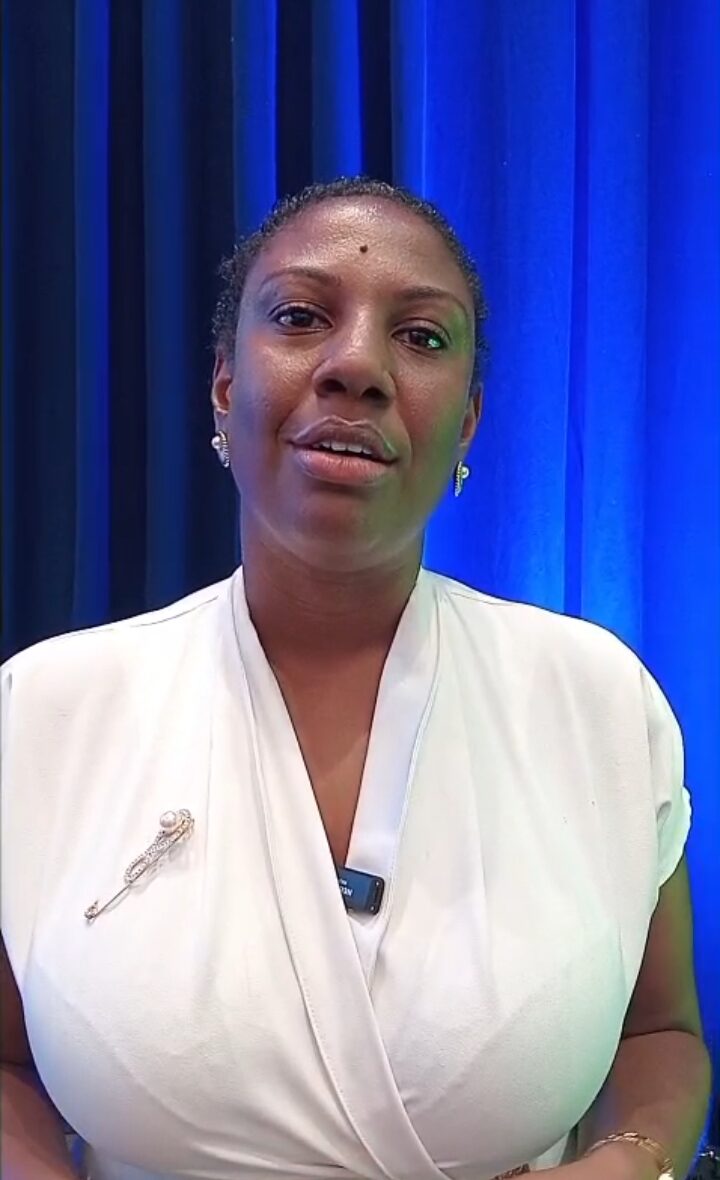
Dr Shelly Ann Cox, Chief Fisheries Officer. (Photo credit: Ricardo Roberts/Barbados TODAY)
“The fishery sector has been quite proactive,” Dr Cox said. “We wanted to make sure that we tested our vessel relocation protocols and all our operations.”
To achieve this, the fisheries division spearheaded a cross-sector initiative early last month, bringing together a diverse group of interest groups to put their emergency plans to the test.
The simulated exercise involved crucial input and logistical support from the Blackfin Fleet fishing cooperative among other organised fisherfolk.
A primary focus of the simulation was assessing the logistics and time required to move heavy vessels out of harm’s way. While the long-term strategy includes the construction of a dedicated haul-up facility within the Bridgetown complex, the division is currently relying on existing infrastructure and alternative state assets to secure the fleet.
“We had to, of course, still work into the construction of the haul-up facility in the Bridgetown complex, but we were able to test the timings for using the marine travel lifts at the Coast Guard and shallow draft,” Dr Cox explained.
The emergency strategy also extends beyond the capital. Recognising the vulnerability of rural and coastal landing sites, the division has coordinated with wider government resources to ensure comprehensive geographic coverage.
“We also had to put systems in place for coverage from soil conservation for tractors, to cover Conset Bay and Thunder Bay. This is on the West,” Dr Cox said, adding that authorities are also “working with some private operators to help us shore up some of our resources.”
Reflecting on the lessons of Hurricane Beryl, when many vessels were lost or severely damaged due to overcrowding and being tied too closely together, the chief fisheries officer said the island’s disaster management plan has been thoroughly updated. A major component of the revised plan centres on public education and clearer communication with boat owners.
“We have our updated disaster management plan and we’re actively working on some communications to go out,” she said. “So you will see more around our simulation exercise, some videos, notices for people to reinforce the need for adequate fendering, proper ropes to make sure that they’re secured should anything happen.”
Ensuring robust communication during a severe weather event is another critical pillar of the new strategy. While modern technologies such as cellular networks, Starlink satellite systems and advanced vessel monitoring devices are widely used, the government is reinforcing traditional backup systems to ensure no captain is left isolated.
“I think we have to have consistent engagement with the fishery sector to make sure that we are well aware. We’re also rolling out part of our radio communications,” the chief fisheries officer explained.
“We’ve procured some handheld radios, but also putting up a base station at Pile Bay later this month. And we are working with the Amateur Radio Association to have some training. We have our cell phones, we have Starlink systems in place. We have the vessel monitoring devices, but radio still is one of the backup communication protocols that we want to ensure is in place should something happen.”
Addressing concerns about overcrowding at the primary Bridgetown complex, she acknowledged that the fishing industry has outgrown its physical space. This has prompted a strategic shift towards diverting vessels to alternative safe havens, such as the Shallow Draught or the Careenage, depending on the projected track of an incoming storm.
The logistical reality of moving boats, some exceeding 35 tonnes, is highly complex and requires strict timing. The current goal is to have the entire vulnerable fleet secured within a 38-hour window, provided authorities receive a 72-hour advance warning from meteorologists.
“We had to test anything in terms of alternative Plan B, C, and D so that we know how to respond should any system be,” Dr Cox said. “And we’re looking at our timings to try to adequately secure boats within 38 hours, once we could get a 72-hour heads up, but we know the logistics of such, and it can’t just be government by itself. It’s private sector is the fishery sector itself working like a smooth oil machine together to make those preparations.”
As the island braces for future weather systems, the fishing fleet is undergoing a steady recovery. Before Hurricane Beryl in 2024, Barbados had 312 active fishing vessels. While the industry has not yet returned to pre-disaster levels, progress continues.
“Right now we have 233 active boats. We had 312 before Beryl,” Dr Cox revealed. “So we’re making consistent progress towards some boats that are still under repairs, and the vessel replacement project is being launched so that we can have those new boats constructed.”
(RR)
The post Fisheries officials test hurricane readiness with boat relocation drill appeared first on Barbados Today.